

When is a BBL Touch-Up Procedure Necessary?

Key Takeaways
- A BBL touch-up procedure helps refine the initial surgery’s results by correcting asymmetry, restoring lost volume, or contour irregularities.
- Patients often opt for a touch up when they are experiencing shifts such as uneven fat, volume loss, or shifting aesthetic preferences following the initial procedure.
- It is important to visit a qualified surgeon before making the decision to have a touch up. They can evaluate your specific needs and expectations.
- The ideal time to touch up is after your body has finished healing and the final results have stabilized, because bodies settle in and heal over the course of several months.
- Keeping a steady weight, a healthy lifestyle and consistent follow ups can extend your BBL results.
- Knowing that touch ups are a normal part of the surgical journey can help manage expectations and alleviate unnecessary worries.
When Brazilian Butt Lift results fade or have uneven shape over time, that’s when a BBL touch up procedure is needed. Others experience volume or contour variations once fat cells settle, causing the need for a follow-up.
When a touch up is appropriate depends on each individual’s healing and goals. To assist you in identifying indications and understanding what to anticipate, the following sections delineate the timing and reasons for touch ups.
Defining Touch-Ups
By definition, BBL touch-ups are follow-up surgeries intended to enhance or update an original Brazilian butt lift. Its goal is to assist in sustaining or enhancing the appearance, contour, or texture of the treated area long term. This is a common process that can assist people in achieving their long-term series of shape and symmetry goals.
Touch-ups aren’t simply damage control; they are a strategic commitment to maintaining results that look effortlessly grounded. A BBL touch-up can:
- Assist in replacing volume or contour lost as inflammation dissipates or fat cells stabilize.
- Smooth out any mini-bumps or dips that appear post-healing.
- Shape, size, or symmetry to more closely align with the original design.
- Illuminate or add pigment where fading occurs, particularly in places like brows.
- Provide longer-term results by enhancing or extending the impact of primary treatment.
Touch-ups are sometimes required when the outcomes of the initial operation fall short of the patient’s expectations or if changes occur during recovery. Swelling can hide dents or unevenness, and those don’t reveal themselves until weeks after. Most surgeons recommend waiting 6 to 8 weeks before a touch-up. This window allows the body to heal and makes it easier to judge what changes are necessary.
It allows the skin to heal, which aids in making safe, effective touch-ups. A touch-up can address common problems following a BBL, such as slight fading or a loss of contour. The body’s own healing process can shed some fat cells and alter the ultimate appearance. Sometimes, touch-ups help to reinforce pigment or homogenize color, like with brow or other pigmented treatments.
Artists or surgeons can suggest a touch-up to maintain the area looking its best, and keeping out of the sun for a few days after prevents fading. The demand for a touch-up can be based on additional variables, such as skin type, lifestyle, or exercise habits. Some folks may have their results last for even longer, and others may require another touch-up in only 10 years or so.
Your genetics and lifestyle, including how much sun you receive or how active you are, can have a lot to do with how long the transformation lasts. Following the surgeon’s post-care instructions, such as avoiding sitting or applying pressure on the treated area for 2 to 6 weeks, can extend the longevity of your touch-up.
Consulting a good surgeon before any touch-up is important. A good surgeon will examine the region, hear the patient’s objectives, and discuss the pros and cons. They’ll help determine whether a touch-up is the right decision or if you should hold out a little longer. Each case is unique; therefore, a customized solution is required for optimal outcomes.
The Primary Reasons
There are a few obvious reasons that a BBL touch-up is often required. They’re often related to how the body recovers, weight fluctuations, or a change in a person’s objectives. Below is a breakdown of the main causes that prompt many patients to return for further adjustments:
- Asymmetry—uneven fat distribution, fat survival issues, and balance.
- Volume loss—natural fat absorption, weight changes, and restoring shape.
- Contour irregularities—surface bumps, unevenness, and natural curves.
- Aesthetic goals—changing tastes, preference shifts, and communication.
- Weight gain or loss, sagging and long-term effects.
1. Asymmetry
Uneven fat distribution is par for the course after BBL. For a small number of patients, one side may be fuller than the other, or the shape may be asymmetrical from specific viewpoints. It has a lot to do with the survival and settlement of fat cells after transfer.
Not all of the fat you grafted will thrive. Some zones might shed more than others as the body absorbs fat unevenly. Surgeons then repair these asymmetries using tools such as precision fat grafting or liposuction. Overcoming asymmetry is important, as most individuals seek a symmetrical appearance that is unobvious and natural-looking, particularly when aiming to contour the body.
2. Volume Loss
Fat injected during a BBL doesn’t necessarily remain where it was placed indefinitely. Your body absorbs some of the new fat, resulting in a less full or flat appearance as months pass. How much fat remains is referred to as fat retention, and this may be influenced by an individual’s body, lifestyle, or adherence to recovery protocols.
Weight fluctuations, age, or specific drugs such as Ozempic that decrease muscle can all accelerate fat loss. If loss is apparent, an additional fat transfer might be necessary to augment fullness and obtain the patient’s desired appearance.
3. Contour Irregularities
Contour problems appear as bumps, lumps, or lines in the skin. Occasionally, these are due to fat necrosis, where fat cells become hard or develop little knots. Poor healing or not adhering to aftercare steps can cause these issues as well.
Surgeons can even smooth out these areas by either adding fat or taking it away or through specialized massage. Achieving a sleek, natural curve is crucial for both confidence and comfort, which is why many turn to touch-ups.
4. Aesthetic Goals
Referring to people’s objectives regarding physique may shift over time or upon viewing the final results. Some want a rounder or softer look or to fix things they overlooked immediately post-surgery.
It’s vital to discuss these changes with a surgeon to ensure that what is done next aligns with the new vision. It’s that proper planning that helps set real expectations and better satisfaction with the result.
5. Weight Fluctuations
Significant fluctuations in weight can wreak havoc on BBL results. Large weight loss can leave the breasts saggy and less full, or weight gain can distort shape or size unevenly.
Maintaining weight is one of the best methods to keep results looking good longer. With time and gravity, some sagging is to be expected and could use a touch-up down the road.
Ideal Timing
Choosing the optimal timing for your BBL touch-up is essential when it comes to achieving natural results that last. Following the initial treatment, the majority of individuals require 2 to 4 treatments in the beginning, set 4 to 6 weeks apart. This timing allows the body to mend and generate new collagen, which forms the sculpted lifted appearance.
These initial sessions are not frenetic. Each one assists the body in developing more volume and evening out the skin’s texture. They don’t show up overnight. They accumulate gradually over weeks as collagen develops and settles. Because this change is gradual, it’s wise to hold off before you determine whether a touch-up is necessary.
It’s the course of healing that determines when a touch-up is a good idea. Post BBL, skin and dermal layers require time to heal. The initial fortnight is for rigorous maintenance such as avoiding sitting on your new treatment and abstaining from intense workouts. This guards the new fat and assists it to settle in.
No squats, stretching, or any hard movement for 2 to 3 weeks. Most can resume light activity after four to six weeks, but it’s smart to consult with a care team first. This waiting period keeps the risk of problems low and allows the shape changes to manifest clearly. Because we all heal at different paces, adhering to these timelines broadly works for the majority, but some could require additional or slightly less time.
You want to wait until the initial treatment’s complete results present before considering a touch-up. BBL results are not immediate. The skin contracts and shape refines over a few weeks. If a touch-up is done too early, it is difficult to determine whether it is genuinely necessary or if the body simply requires additional time to settle.
Most pros recommend waiting at least 12 to 18 months after the initial round of sessions before scheduling the first touch-up. This interval allows the natural collagen growth to stabilize and provides an accurate depiction of the results. After that, touch-ups every 18 to 24 months keep the look fresh and even.
Personal recovery makes a big difference in timing. Some heal quickly and experience results earlier than others who require a little more time because of age, lifestyle, or health. For instance, a patient who adheres to all aftercare instructions and doesn’t press into the treated zone while taking it easy with their workouts might notice a defined figure a bit earlier.
Others whose wounds heal more slowly may have to wait a while longer for the fruits to appear.
Surgeon’s Evaluation
A surgeon’s evaluation is a key step for anyone thinking about a touch-up after a Brazilian Butt Lift (BBL). This assessment gives a clear view of why the first procedure might not have met expectations and what steps can be taken to fix it. Surgeons look at both the results and the causes, paying attention to the unique body type and healing process of each patient.
Since revision surgeries are more complex and come with higher risks, getting a skilled and experienced surgeon is vital for a safe and effective touch-up.
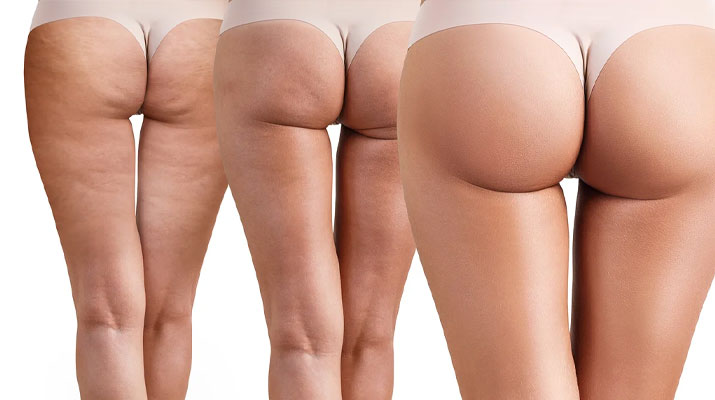
The evaluation covers many factors. Surgeons will look at how much fat is left in the donor areas, as this limits how much volume can be added in a second surgery. They check for contour issues like lumps or uneven shapes, which might need special tools or methods such as ultrasound-assisted liposuction.
Another key point is the skin quality. Loose or scarred skin can change the approach and the likely results. The surgeon reviews the patient’s healing, including how long swelling and bruising lasted and if there were any problems the first time. This helps set a realistic plan for the next steps.
| Factor | What the Surgeon Looks For |
|---|---|
| Fat Availability | Enough donor fat for transfer |
| Skin Quality | Tightness, scars, or stretch marks in treated areas |
| Contour Irregularities | Lumps, dips, or uneven shapes |
| Healing Status | Degree of recovery, remaining swelling, or bruising |
| Past Complications | Infection, fat loss, or other issues after first surgery |
| Technique Needed | Possible use of tools like ultrasound-assisted liposuction |
| Patient Expectations | Realistic goals and concerns |
Patient-surgeon communication is equally important as the technical check. Patients should be comfortable discussing what didn’t work, what they want to alter, and what they desire in the new result. A good surgeon will listen, explain what can and cannot be done, and help set goals that fit the patient’s body and healing trajectory.
This frank discussion prevents miscommunication and ensures both parties are aligned on what is achievable. Surgeons recommend waiting at least six months to a year to let the body heal before a revision, which can result in a longer and occasionally more difficult recovery the second time around.
These conversations assist patients in comprehending the associated risks, establishing timelines, and determining whether a touch-up is genuinely the optimal decision.
The Unspoken Reality
BBL touch-ups are the unsung truth. They assume one surgery will create a beautiful permanent form, but reality is more nuanced. Others anticipate the initial surgery to be perfect and definitive, which is uncommon. Most people don’t realize that these touch-ups are part of the process.
Surgeons make tiny cuts and employ new tools, such as ultrasound, to mobilize fat cells. Despite the most sophisticated techniques, only 60 to 80 percent of transferred fat will survive and integrate into the buttocks. This implies that some of the new contour can shift or contract as the body recovers. Therefore, a second touch-up might be required to achieve the desired look.
About the emotional side of BBL touch-ups – it’s real and it can be hard. We feel pressured to look a certain way, particularly after viewing “flawless” results on social media. This pressure can cause stress or a sense that the first surgery flopped.
In reality, additional steps are natural and have nothing to do with breakdown. It’s easy for patients to be disappointed if the results shift as things heal. A lot of people aren’t told that it might be six months to a year before they actually see the end result. In this period, fat can redistribute, swelling reduces, and the new contour settles.
Of course, the infamous recovery rules, like don’t sit on your butt or sleep on your back, have an impact on life and spirit. Body post-surgery is natural and neglected. Weight gain or loss, hormone shifts and even changes in muscle tone can all alter BBL results.
For instance, if a patient drops some pounds a few months after surgery, they may notice some deflation where fat was grafted. Scars, little ones and fading, are the reality. These considerations make what appears perfect immediately after surgery fade, and some will desire a touch-up to maintain or enhance their results.
Understanding that BBL touch-ups are standard in the process aids in establishing reasonable expectations. Final results are slow to arrive, and healing is a roller coaster. Touch-ups are not a patient fluke or doing something wrong.
Instead, they’re frequently components of achieving and maintaining the optimal outcome, with each patient’s body and recovery following as individual a path as their ambitions.
Maintaining Results
Preserving the outcomes of a BBL is more than just the surgery. It’s about the lifestyle. Post surgery, adhering to health basics helps maintain shape and volume long-term. Basic measures such as nutrition, exercise, and skin and body care are important. These steps work for all people everywhere, irrespective of culture or lifestyle, and are compatible with any schedule.
A healthy lifestyle is the key to holding on to BBL results. Following a balanced diet with an adequate intake of protein, fruits, and vegetables promotes healing and helps the transferred fat take hold. You want to avoid big swings in weight as weight gain or loss can alter the size and shape of your buttocks.
Exercise is a big factor, and timing counts. Most can begin low-impact exercise such as walking at 4 to 6 weeks post-op. It’s important to not do any heavy or high-impact workouts for at least 2 to 3 weeks, and no direct pressure to the buttocks for 6 weeks. For instance, special pillows when sitting or lying on your stomach safeguard the new shape.
As you get stronger, incorporating squats or lunges can help maintain muscle tone and the lifted appearance. Hydration and skin care is underrated. Your skin will remain firm and fat cells healthy when you’re drinking enough water.
Moisturizing the skin, shielding it from excess sun and harsh chemicals can assist the skin in stretching and settling over the new contours. For those of you in hot or dry climates, mild cleansers and sunblock are even more essential! These are easy habits, but they can help results stick around a bit longer and look better.
Ongoing follow-ups with an experienced surgeon are essential for permanent BBL results. Surgeons can check healing, answer questions, and identify early if something needs attention. For instance, a few years later, some folks may require a touch-up to retain their desired shape.
Genetics matter too, and some folks might require less assistance to maintain results while others might require more. Maintaining a healthy weight and adhering to the surgeon’s guidance are the most effective methods for preserving results for years, occasionally extending to a decade or beyond.
Conclusion
Touch-up work after a BBL helps keep shape and size on track. Fat can change over time, so a second round can help fix uneven spots or boost volume. Surgeons check healing, spot changes, and look at your daily habits before agreeing to a touch-up. Clear communication with your care team helps set real goals and keeps things safe. Good self-care, like steady weight and smart choices, keeps results steady. Honest discussion and real steps matter most. To find what fits best, book a visit and talk with a skilled doctor. Every person’s path looks a bit different, and strong support makes all the difference. For more tips or stories, check with your clinic or join a trusted group.
Frequently Asked Questions
What is a BBL touch-up procedure?
A bbl touch up is an additional surgery after a primary Brazilian Butt Lift. It fixes small inconsistencies, replaces volume that was lost, or augments shape for optimal outcomes.
When is a BBL touch-up typically needed?
You might require a touch-up if volume fades post-healing, results appear patchy, or if you desire additional density. For most individuals, they wait until the swelling has subsided and results have stabilized before.
How soon after my first BBL can I get a touch-up?
Most surgeons suggest you wait 6 to 12 months. This gives swelling a chance to subside and results to settle, providing a more accurate view of the final result.
What are the main reasons for needing a BBL touch-up?
Due to fat reabsorption, uneven shape, or if you just want more volume. Sometimes, the body absorbs a little of the transferred fat, which impacts the final appearance.
How does a surgeon decide if I need a BBL touch-up?
A surgeon evaluates your healing, symmetry, and satisfaction with results. They use medical expertise and your feedback to recommend if a touch-up is needed.
Are BBL touch-ups safe?
When conducted by a skilled surgeon, BBL touch ups are normally safe. Adhering to post-operative care instructions is critical for safety and optimal outcomes.
How can I maintain BBL results after a touch-up?
Keep your weight stable, have a healthy diet, and adhere to your surgeon’s guidance. Steer clear of any pressure on your butt and go to every follow-up appointment for enduring results.
 /
/ 