

TikTok Body Transformation Trends Fuel Unrealistic Expectations and Harm Young Viewers
Key Takeaways
- Here’s how TikTok body transformations can damage your self-esteem. Edited, staged ideals foster unhealthy comparison and unrealistic beauty standards. Put real-life bodies before online appearances.
- Ongoing exposure to these kinds of curated images and weight-loss fads led to an increased risk of depression, anxiety, body dysmorphia, and eating disorders. Reach out to your mental health professionals if you notice lingering negative thoughts or behaviors.
- Most of these transformations use lighting, posing, filters and editing to generate striking results. Exercise digital literacy and look for the manipulation and question the sensational claims before you buy into it!
- TikTok’s algorithm boosts more of the harmful content you just saw, so regain control. Adjust your app settings, report unsafe videos, and deliberately curate your feed to follow a variety of body-positive accounts.
- Creators ought to tag curated or retouched content, exhibit diverse bodies and steer clear of glamorizing crash diets or pseudoscience. Influencers can assist by providing transparent, responsible advice and referencing expert materials.
- Build immunity through critical media literacy, honest dialogue with trusted adults, and wholesome offline routines. Unfollow accounts that make you feel bad and replace them with nurturing, science-backed sources.
The danger of TikTok body transformations and fake expectations is how it perpetuates misleading images that influence people’s perception of their own bodies. Loads of videos use filters, editing, and staged angles to depict rapid shifts that almost never align with reality.
Youngsters can set hazardous goals or attempt dangerous regimens after viewing those clips. The rest of this post covers common tricks, health risks, and safer ways to evaluate progress.
Unseen Harms
TikTok body glow up content may seem quick and slick but comes with genuine dangers lurking beneath. Short clips, before-and-afters, and viral audio promote a specific ideal that numerous viewers, particularly youth, apply as a measuring stick to their own physiques. This section explains how those trends influence beliefs, behaviors, and health.
1. Unrealistic Standards
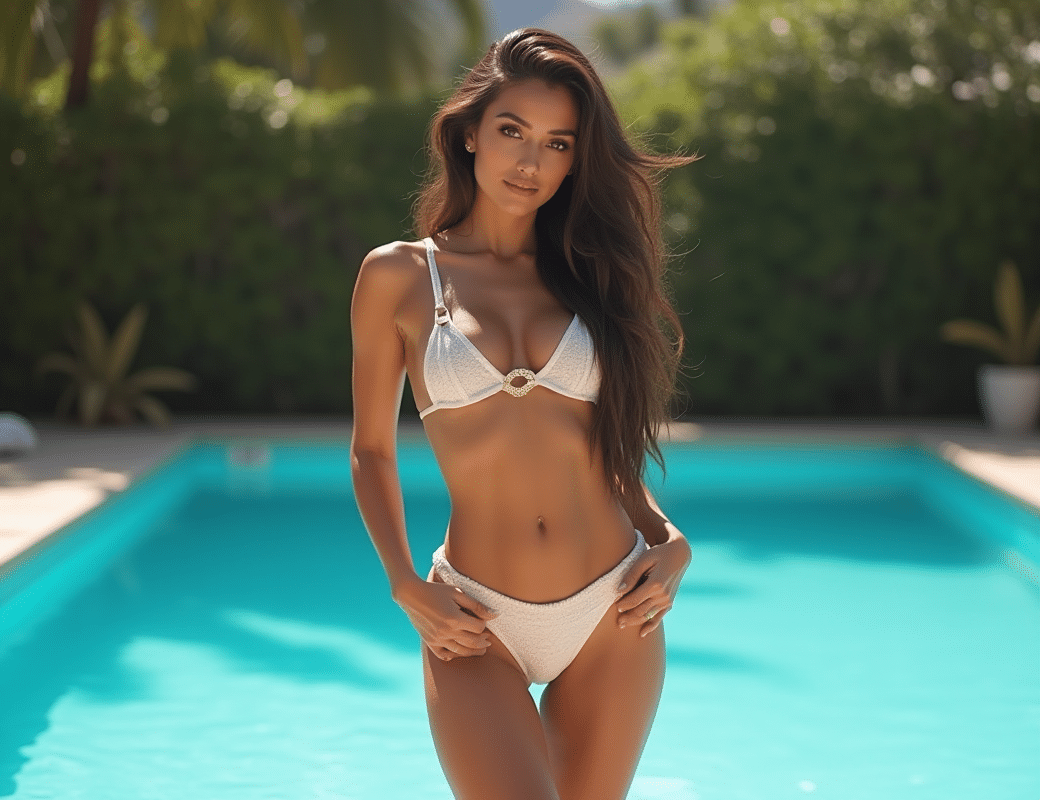
Influencers set up shots, use lighting, pose and edit to craft a uniform aesthetic that few of us can achieve without Photoshop or starvation. Filters erase blemishes, reshape bodies and hide scars. Edited photos and staged videos set an unspoken rule: the polished image equals success.
Young viewers are exposed to multiple iterations of that same slender, toned figure and begin to internalize it as standard. It feeds the thin ideal and slim figure bias that causes them to compare and then blame themselves when they don’t measure up to those pictures.
About Unknown Damages
Acknowledge the disconnect between online image and offline bodies. The majority of creators display a curated avatar of themselves, not everyday actuality.
2. Mental Health
Social media use is associated with increased levels of depression, anxiety, and low self-esteem among users, with cyberbullying and body shaming exacerbating symptoms. Comments and likes are a crude scoreboard for self-esteem.
Research finds that posts about women on social platforms are rife with sexualization, body shaming at twenty percent, and eating disorder promotion at eight point six percent, all of which increase the stakes for impressionable observers. Body dysmorphic thoughts fester as users rewind and contrast photos, and for some, compulsive fixation on imperfections turns into a daily grind.
Put mental health awareness first, check in with friends and family, and find professional support when comparison becomes lingering pain.
3. Disordered Habits
TikTok trends can push unhealthy eating and exercise patterns. Intermittent fasting challenges, extreme calorie cuts, and “detox” routines gain traction quickly. Hashtags and viral challenges glamorize quick weight loss and push food rules that categorize food as “good” or “bad,” which can lodge in young minds and spark disordered eating.
Numerous influencers don’t have any nutrition or fitness qualifications, so their advice can be misleading or damaging. Long-term impacts are bad nutrition, metabolic damage, and stunted growth in youth who go down the restrictive road.
4. Body Dysmorphia
Body dysmorphia is an obsessive fixation on perceived imperfections, born frequently out of habitual comparison to retouched photos. Filters and repeat exposure amplify that discontent and lead some to cosmetic procedures to pursue online ideals.
Watch for signs of fixation: constant mirror checking, avoidance of photos, or frequent comparison.
5. Social Comparison
Curated feeds encourage unchecked side-by-side comparison with other people’s bodies, lives, and success. Likes and follower counts are currency for value, so they produce envy and worthlessness.
Cut back on screen time or at least mix in much different content to constrain your exposure and concentrate on your strengths, values, and actual relationships.
Algorithmic Influence
TikTok’s recommendation system is designed to hold attention, and material that ignites visceral or emotional responses receives precedence. Fast body transformation videos, before and after edits, or harsh diet plans tend to perform really well, receiving likes, shares, comments, and rewatches. The algorithm interprets that as a reason to show more.
When lots of users engage with beauty or weight-loss posts, the platform nudges similar clips to broader audiences, which amplifies trends such as extreme diets, thinspo videos, and manufactured makeovers. That gives wide distribution to content that may be deceptive or damaging, particularly to those already anxious about their bodies.
About: algorithmic feed loops. Once you watch or like a couple of videos in a theme, the system lines up more similar material in a steady stream. Repeated exposure normalizes some body shapes and routines. Viewers start to see the same tips, angles, filters, and editing tricks repeatedly.
That repetition strengthens a limited concept of beauty and causes fit, different bodies to feel unseen. For an already vulnerable person, such as teens, ex-eaters, or body-image sufferers, this constant feed can increase discontent and fuel dangerous habits.
Users cannot control how much of this content reaches them. The algorithm is opaque and adapts to subtle signals. Pausing, watching fully, or tapping a profile can be read as interest. Even accidental or critical attention can lead to more of the same.
Blocking or following helps locally, but the main feed still serves up similar posts from new creators. Regional, cultural, and language distinctions mean little if some algorithmic visual cues align with engagement formulas, so damaging trends spread rapidly across borders and demographics.
Here are some things you can do to limit exposure. Hit ‘not interested’ on any videos that glorify unhealthy images or routines and it will train the system to surf away from similar content. Mute or block accounts that post triggering content.
Disable auto-play when you can and screen time in order to minimize passive scrolling. About: Algorithmic Influence. Adjust your content preferences under app settings, unfollow accounts that promote a narrow ideal, and clear your watch history to reset signals.
Report videos that encourage self-harm, extreme dieting, or misleading editing. Reporting can take down content and assist the platform in detecting damaging trends more quickly. Together, these actions make it much less likely that the feed continues to show harmful content.
Staging Perfection
It’s staging perfection, the behind-the-scenes sorcery that makes raw footage into a viral “before-and-after” narrative. Many of these creators stack on makeup, lighting, editing, clothing, and pose work to make an effortless shift that usually has nothing to do with habit change or long-term health.
Studies connect this type of aspirational content to both growing body dissatisfaction and cosmetic procedure interest, so learning the art helps readers recognize how images are constructed.
The Posing
Influencers have particular poses to make waists look narrow, legs look longer, and muscles look more defined. A subtle twist at the waist, pushing a hip out, or arching the back can shift silhouettes by centimeters but appear like a dramatic transformation on camera.
A nice little photo comparison — same clothes, a slight shift in posture — accounts for the majority of ‘difference’ people profess. After all, many transformation videos fall back on these tricks instead of actual change, and we should be skeptical of dramatic results achieved through posture alone.
Be aware that when posture and angle do the heavy lifting, the claim of a quick physical overhaul is weak.
The Lighting
Lighting changes the look more than people imagine. Soft, diffused light minimizes shadows and conceals texture, while side or rim lighting can sculpt cheekbones and accentuate muscle definition.
Warm, low light smooths tone. A lot of creators apply ring lights, softboxes, or strategically place LED panels in order to imbue a glimmer that doesn’t really match daylight or day-to-day surroundings.
Photos shot in those circumstances create a look that people assume is achievable constantly. Test this yourself — snap one with overhead bright light and one with a soft lamp — and the contrast demonstrates why you don’t want to judge yourself by studio-lit images.
The Editing
Editing can sculpt bodies a few pixels deep. Typical edits include slimming waists, smoothing skin, brightening eyes and reshaping noses.
Typical tools and filters used on TikTok and related apps include:
- Beauty filters that smooth skin and change tone
- Warp or liquify tools to thin or elongate body parts
- Contrast and color presets to enhance glow
- Clone and heal tools to remove blemishes
- Face-tune tools that alter the nose, jaw, and cheek shape
Photoshopped pictures establish ideals that most of us can’t live up to and fuel body shame. Research indicates that increased social media usage correlates with a greater interest in cosmetic surgery, and almost 50% of certain student groups admit to being influenced by online before-and-after photos.
Teaching digital literacy—how to look for warp signs, inconsistent shadows, or too-smooth skin—helps young people resist misleading content. Limiting screen time and increasing media diversity can reduce exposure to staged perfection.
Normalizing Extremes
It’s especially perverse because TikTok trends tend to normalize extremes by promoting images and routines that celebrate dangerous weight loss, drastic calorie reductions, and punishing workout streaks as normative or essential. These posts include before and after snippets, quick meal preparations, and ‘what I eat in a day’ videos that reduce calories to unsustainable levels while applauding grit.
A number of creators use quick cuts, music cues, and challenge tags to inject a sense of attainability and glamor into such routines. The constant drip of these examples can make observers believe that radical transformation is the default method to become healthy or beautiful.
Critique of glorified extremes
Creators normalize disordered eating and extreme weight loss and don’t share the reality. Examples are extended fasts cast as discipline or diets eliminating entire food groups for no medical cause.
These posts don’t often note side effects like lethargy, muscle loss, or menstrual changes. Influencers might similarly push extreme daily gym sessions or cardio hours as a mark of exertion, not a prescription.
Viewers watch the fast transformations and assume similar techniques are safe for them when those clips obscure rest days, professional coaching, or medical intervention.
Normalization of dangerous behaviors
Through repetition, it normalizes every risk habit. They mimic lengthy gym programs that cause overuse injuries or experiment with extreme meal prep that sacrifices nutrition and variety.
For example, 90-minute-a-day workouts from creators who already had really high fitness baselines or rigid portioning depicted as the only path to weight loss. These behaviors can become social norms in comment threads and duets culture, where peers affirm extremes with hearts and re-posts.
The result is a cycle where unhealthy limits are seen as common sense rather than warning signs.
Risks without professional guidance
There are obvious health risks associated with embracing extreme diets or exercise plans on your own. Too few calories can slow your metabolism and damage hormones.
Unmonitored crash dieting can cause gallstones, nutritional deficiencies, and emotional stress. Hard training without periodization or professional guidance sets you up for injury, whether it is tendonitis or stress fractures.
Examples include someone copying a creator’s six-day split who may develop knee pain within weeks and someone on a restrictive elimination diet who may miss iron or B12 and feel chronic fatigue.
Advocate for balance and sustainability
Balanced nutrition, incremental progress and regular consultation with qualified professionals work better long term. Practical steps include aiming for varied meals with protein, fats, and carbs, including strength work two to three times weekly, scheduling rest days, and consulting a registered dietitian or licensed trainer for tailored plans.
Pay more attention to habits such as sleep quality and stress management as they relate to health, not just appearance. Viral challenges can provide quick rewards on screen, but slow, steady change provides genuine progress off it.
Creator Responsibility
It’s creators who mold what millions of us watch every single day. For example, when videos feature hyper-edits, scripted before-and-afters, or false product claims, creators need to make obvious efforts to mitigate damage. Identifying edited or staged content assists viewers in deciding what is authentic.
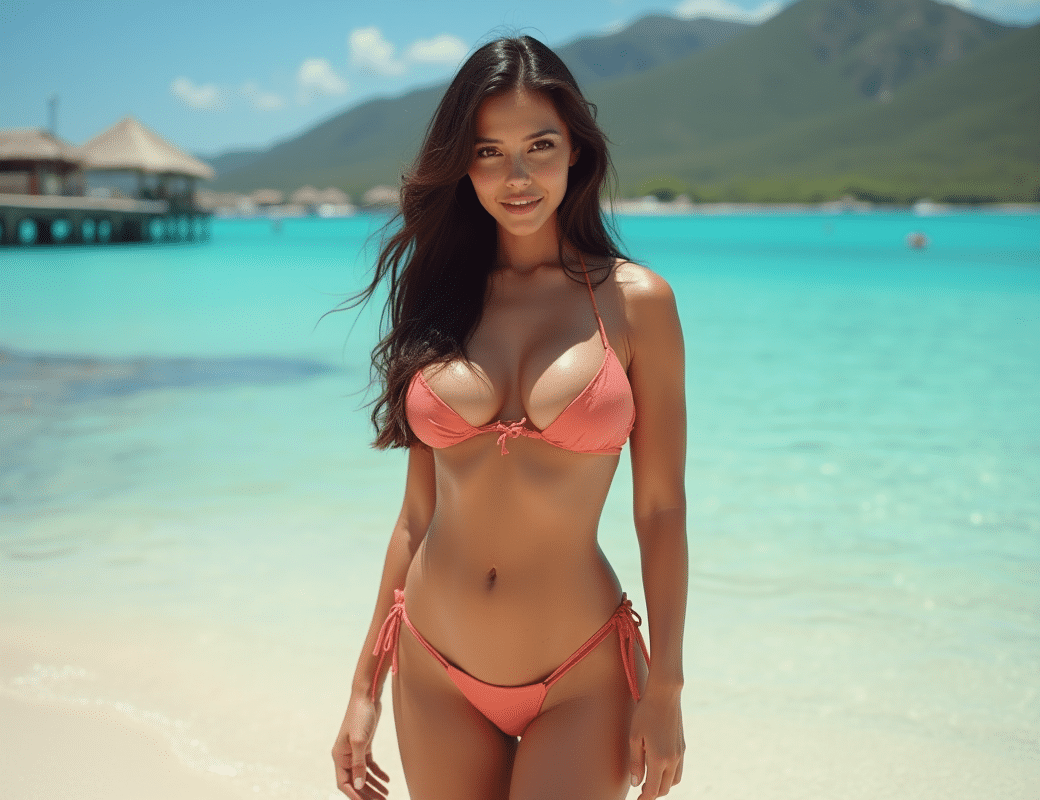
Easy identifiers such as “photoshopped,” “filters employed,” or “arranged backdrop” provide instant context. By calling out sponsorships and exposing raw, unedited footage alongside glammed-up edits, creators build trust and reduce pressure on viewers to pursue unattainable aesthetics.
Call on influencers and creators to label edited or staged content and avoid promoting harmful beauty standards
Creators have to flag any change to body shape, skin tone, or facial features. If a creator applies body contouring, lens tricks, or timed angles, add a quick text overlay to note the transformation.
Don’t run series that suggest that one body type is the ‘perfect’ body type. If you’re promoting products, be honest about realistic results and timelines. For example, instead of saying ‘lose 10 kg in two weeks,’ say ‘results vary and combine with a healthy diet and medical advice.’
Teams and platforms can add quick checkboxes for ‘filters used’ upon upload to make labeling habitual.
Urge creators to share realistic, inclusive content that celebrates diverse body types and appearances
Feature different ages, sizes, ethnicities, and abilities in your regular content – not just in token posts. Post routine clips of unedited daily life: movement that’s not about shaping the body but about function, comfort, and joy.
Use captions that describe utility — not looks. For example, swap “look slim in these clothes” for “these cuts sit well if you have broader hips.” Have guest voices with different experiences talk about health, fashion, or fitness.
Encourage responsible messaging around weight loss, nutrition, and fitness to protect young audiences
Steer clear of diet or extreme regimen prescriptions, and always advise seeking medical professionals. Prioritize wellbeing indicators such as energy, sleep, and strength over scale weight.
If you’re demonstrating exercises, provide safe alternatives and caution about overuse. For diet, don’t sell restrictive meals as magic bullets. Provide balanced sample meals with portion sizes in metric units and a disclaimer that everyone is different.
- and provide obvious edit or sponsor labels. Show raw footage when you can, with a short note of what changed.
- Showcase different bodies in normal feed posts. Schedule content calendars with rotating representation.
- Use neutral language for benefits: energy, mobility, confidence, not “perfect” or “flawless.”
- Reference straightforward, precise timelines for success and recommend expert assistance for significant modifications.
- Provide safe alternatives and rest guidance in workout posts. Include weight portions in grams or milliliters.
- Report damaging trends to platform moderation and reject deals that demand false claims.
- Inform followers with brief explanations on filters, camera tricks, and editing tools employed.
Building Resilience
Social media exposure to photoshopped bodies and manufactured weight-loss assertions can chip away at self-esteem and cultivate toxic behaviors. Educating youth on how to recognize manipulation, establishing safe environments, and changing habits help foster resilience to false standards. Here are action steps for parents, educators, and youth to minimize damage and build resilience.
Critical Viewing
Train viewers to spot evidence of editing, staging and claims that can’t possibly be true. Look for abrupt camera cuts, erratic lighting and multiple angles that conceal imperfections. Question quick turnaround times that guarantee huge weight loss in weeks. Filters, lens choice, posture and clothing can alter how a body looks without any actual transformation.
Use a short checklist to judge weight loss, nutrition, and beauty advice: who posted it, what are their credentials, is there evidence, are timelines realistic, and do they promote restrictive eating or quick fixes. Almost 44% of nutrition videos contain weight loss messaging while less than 3% contain weight inclusive perspectives. That bias illustrates the need for a checklist.
Promote unfollowing accounts that chip away at your self-esteem. Mindful consumption is content curation not as torture but as nurture. Build basic digital literacy: cross-check claims, read beyond captions, and prefer sources that cite research or recognized professionals. Assist youth in identifying how certain posts ignite eating disorder cognitions and be blunt about taking a break when it does.
Open Dialogue
Establish a forum where co-parents and teachers inquire instead of lecture. Parents who remain inquisitive and talk about media with each other make it more straightforward for kids to identify cultural influences and disinformation. Offer simple conversation starters: “What about this post feels real?” or “How does this make you feel about food?” Employ those lines to bring to the surface your covert concerns.
Share your own experiences with bad stuff to normalize the response and deflect shame. Name for young people when they get excluded; so many feeds exclude and don’t show diverse bodies. Talk about how calling food “bad” or “cheat” wrecks your mindset and causes you to eat in secret or feel guilty.
Set regular check-ins regarding social media use and mood. These bite-sized talks identify body worry early and empower adults to take action before issues escalate. Parents’ own body talk matters. Kids mimic how adults appreciate their own bodies, so model balanced language and self-care.
Curated Feeds
Seek body-positive, diverse, and evidence-based creators to fill the void left by toxic trends. Use platform tools to block, mute, or report abusive behavior and misleading health claims. Create a list of inspiring hashtags and accounts as quick replacements when trimming the feed.
Immersing yourself in realistic, health-centered content reinforces consistent habits and positive self-confidence. Push for offline activities, good friends, and daily self-care to move your identity away from just looks.
Conclusion
TikTok body-change trends force distinct, rigid concepts of attractiveness. Brief clips display rapid outcomes and neat cuts. Viewers observe the finish alone. They overlook the grunt work, the cuts, and the hours backstage. That gap seeds doubt and poses a genuine threat to mental and physical health. Creators are powerful. Honest captions, process clips, and straightforward notes about edits reduce damage. Platforms need to tune feeds and tags to reduce the spread of misinformation. Real bodies and real change can be discussed between families, teachers, and peers. Small steps help: follow creators who share the full story, check sources, and trust slow, steady progress. Discover, do, and share transparent information to maintain social media’s security.
Frequently Asked Questions
What are the main risks of TikTok body transformation videos?
Tiktok transformations are dangerous. They can cause unrealistic standards, unhealthy behaviors, and body dissatisfaction. Brief videos frequently leave out details such as nutrition, filters, and cosmetic surgeries, confusing us on what is healthy or common.
How does the TikTok algorithm affect body image?
The algorithm boosts what gets engagement. This forces extreme or sensational transformations into more feeds, normalizing narrow body ideals and escalating exposure to possibly dangerous messaging.
Can creators responsibly share transformation content?
Yes. Accountable creators post disclaimers about edits and timelines and professional oversight. Instead, they focus on health and not appearance with well-rounded messages about mental and physical wellness.
How can viewers spot staged or edited transformations?
Search for flickering lighting, rapid background shifts, vanished timestamps, or annotations such as ‘filter’ or ‘edited.’ Verified pros sometimes share proof such as a doctor’s note or timestamps and long form content for context.
What mental health effects can arise from repeated exposure?
Repeated exposure can ramp up anxiety, low self-esteem, disordered eating, and comparison-driven behaviors. Those with underlying body image issues are more susceptible and may require professional assistance.
How can parents and guardians protect young people online?
Set limits on watching, talk about media literacy, and follow or share creators who promote health. Promote awareness by having conversations about editing, filters, and realistic timelines for transformations.
What steps can I take to build a healthier perspective?
Reduce mindless scrolling, subscribe to various body-positive pages, see trusted medical professionals, and prioritize practical objectives such as strength or endurance instead of just looks.
 /
/ 