

Skin Tightening Options After Sudden Weight Loss – Expert Insights
Key Takeaways
- Skin elasticity is crucial following sudden weight loss as age, genetics, and the presence of collagen and elastin can determine how firm your skin will be.
- Slow weight loss, good nutrition, exercise, and hydration maintain healthier skin and can help reduce sagging.
- Non-surgical skin tightening options include radiofrequency, ultrasound, and laser resurfacing treatments, microneedling, and injectable fillers.
- Surgery, such as body contouring, may be needed for serious skin flap and should be done by experienced professionals following a thorough analysis of the risks and benefits.
- Navigating expectations and the emotional toll of loose skin. Looking for support and well-being can improve your psychological state during the process.
- By working with their provider to develop a plan tailored to their unique needs, patients can be assured that treatment options complement their long-term health goals.
Sudden weight loss skin tightening options range from topical creams and in-office treatments to surgical choices. Typical options include firming lotions, radiofrequency, ultrasound therapy, and skin removal surgery. Each solution caters to varying needs and price points.
Factors like age, the amount of weight lost, and skin health may inform the optimal option. We all want effective yet safe methods for managing loose skin after dramatic weight loss.
The upcoming sections assist in describing what works and what to anticipate.
Skin Elasticity
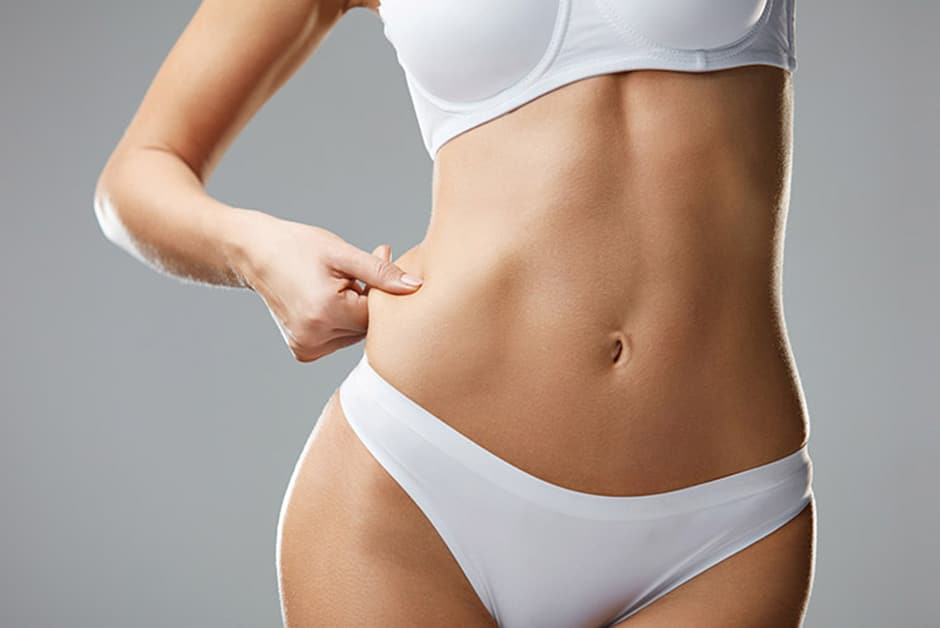
Skin elasticity refers to the skin’s capability to stretch and subsequently rebound to its initial form. Post-sudden weight loss, low elasticity typically translates to loose sagging skin, impacting both comfort and confidence. This is the most common concern, particularly for adults who have lost a significant amount of weight or have been at a higher weight for decades.
Age, genetics, hydration, sun exposure, and other factors all affect skin elasticity. Collagen and elastin are two key components of the skin’s structure that directly influence its firmness and contour.
Collagen’s Role
Collagen provides skin its firmness, creating a supportive scaffolding under the surface. Collagen production takes a nosedive beginning in your mid-20s. This decline makes the skin thinner and less resilient to sag after weight loss.
Rapid weight loss causes the skin’s collagen infrastructure to lag behind, resulting in looser skin. Consuming foods rich in vitamin C, protein, or amino acids, such as fish, eggs, or citrus fruits, can aid collagen synthesis. Others opt for supplements, but they don’t deliver consistent or immediate results.
Procedures such as microneedling, radiofrequency, or laser treatments are great at stimulating the skin to produce more collagen. Often used in clinics, they may firm and refine texture for a few months. Some weight loss medications have side effects that can impede or interfere with collagen regeneration, but further investigation is necessary to clarify these associations.
Elastin’s Function
Elastin is what allows the skin to stretch and rebound, like a rubber band. With rapid loss of a lot of weight, elastin fibers can become overstretched and lose their “spring.” In other words, skin can remain saggy long after everything else firms up.
There are skincare products with retinoids or peptides that can help support elastin growth, but it’s subtle stuff and requires regular use. Smoking, bad sleep, and too much sun damage elastin, so quitting smoking, using sunscreen daily, and staying active are all changes that can help your skin bounce back.
Drinking a minimum of 2 liters of water every day is key, since hydrated skin cells function better and appear healthier.
The Speed Factor
Losing weight too quickly strains the skin’s elasticity, increasing the chances for sagging. Slower weight loss, around half to 1 kg per week, allows the skin to catch up.
The table below compares the effects of gradual versus rapid weight loss:
| Weight Loss Speed | Skin Response |
|---|---|
| Gradual | Less sagging, better rebound |
| Rapid | More loose skin, slower recovery |
A consistent regimen with a balanced diet and sufficient hydration mitigates sagging. Monitoring for alterations in tone or moisture will allow problems to be identified sooner, so measures such as moisturizing or medical intervention can be initiated immediately.
Foundational Support
Loose skin from rapid weight loss isn’t just an aesthetic problem. It impacts comfort, confidence, and even health. This is where we get into practical strategies that help support skin tightening, emphasizing nutrition, exercise, hydration, and holistic well-being.
Non-surgical options like ultrasound, which boasts a robust safety record, deserve mention as part of a foundational plan for healthier skin.
- Opt for foods that offer vitamins, minerals, and antioxidants that are known to support skin structure.
- Construct meals with sufficient healthy fats, protein and collagen-enhancing nutrients.
- Drink water throughout the day to keep skin supple.
- Include exercises that build muscle under the skin.
- Think of non-invasive treatments like ultrasound for an extra lift!
- Look for chafing or rash in folds of skin.
- As well as mind and body, so soul.
Strategic Nutrition
- Consume collagen-rich foods — think bone broth, fish and eggs — to keep skin resilient. Leafy greens, berries, nuts and seeds provide antioxidants that protect against sun damage and repair. Citrus fruits, tomatoes, and bell peppers supply vitamin C, which assists the body in making collagen and maintains skin firmness.
- These healthy fats, as found in salmon, mackerel, walnuts, and chia seeds for example, are rich in omega-3s, which can increase skin elasticity and provide anti-aging benefits. Protein, like in chicken, tofu, lentils, and beans, assists the skin in healing and staying strong. Carotene vitamins A and E from carrots, spinach, and avocados assist skin renewal.
- Undereating causes the body to cannibalize muscle and skin, exacerbating sagging. Crash diets hinder healing and leave skin thin and frail.
- While you want to map out meals that include weight loss goals, you want to include foods that feed the skin. At a minimum, taking liquid collagen supplements can add that extra support in elasticity, texture, and hydration.
Targeted Exercise
Strength training exercises — squats, lunges, push-ups, weight lifting — build muscle mass underneath the skin. This can tighten and tone loose skin, particularly in the arms, legs, and abdomen.
Cardio, in the form of brisk walking, cycling, swimming, or running, burns fat and promotes blood flow, which is excellent for skin. Add some bodyweight exercises and resistance bands to blast those problem areas where the skin likes to sag, like your arms or thighs.
Designing a regimen that exercises all of the important muscle groups will yield optimal results. These are all loose skin-prone spots: belly, chest, and thighs that reap the rewards of strength and cardio work.
Proper Hydration
Sufficient daily water intake, at least 2 to 3 liters for most adults, maintains skin cells plump and supports the skin in acting as a barrier. A study discovered that women who drank more water experienced improved skin function and hydration.
Hydrating creams and serums, particularly hyaluronic acid, underpin your skin’s surface layers. Watch for dry or itchy skin, since dehydration can exacerbate loose skin sensations and cause it to appear less firm.
Electrolyte drinks can help maintain balance and support skin health, particularly in hot climates or after sweating. Make sure to steer clear of sugary beverages because excess sugar breaks down your collagen.
Non-Surgical Treatments
Non-surgical skin tightening is perfect for mild to moderate loose skin after quick weight loss. These non-surgical treatments work without the scars or long recoveries. The majority require multiple sessions and provide natural-appearing changes that accumulate over months. Results can last up to a year, but maintenance treatments are required to maintain the effect.
Many of these methods can double down by reducing fat, smoothing cellulite, or removing hair, making them useful for different needs. Safety is great and side effects, like redness or mild swelling, are typically minor and subside within days.
- Radiofrequency therapy
- Ultrasound technology
- Laser resurfacing
- Microneedling
- Injectable fillers
- Synergistic therapies (Think: Morpheus8, Forma, or RF microneedling)
- Treatments for fat reduction, cellulite smoothing, or tissue rejuvenation
1. Radiofrequency Therapy
Radiofrequency therapy harnesses heat to stimulate collagen, which allows skin to appear tighter and smoother. It works by delivering energy deep below the skin without disrupting the skin’s surface. This initiates a healing reaction, generating new collagen and elastin.
It is safe for the face, neck, and most body areas. While some individuals notice results immediately following a session, the changes continue to enhance for months. There is no surgery, so there is no downtime. Most people can return to normal activities the same day.
With advanced technologies like Forma and Morpheus8, these treatments can provide lasting results. For optimal results, multiple sessions are recommended.
2. Ultrasound Technology
Ultrasound skin tightening penetrates deeper than many others. It uses focused sound waves to heat the tissue below the skin’s surface, which sets off new collagen growth. It’s considered a safe and comfortable method, as ultrasound has been utilized in medicine for years.
There is essentially no recovery time; most people experience only mild redness or swelling. Results may take three to six months to begin to manifest, but they can often last up to a year. Ultrasound is effective for the face, jawline, and neck.
3. Laser Resurfacing
Laser resurfacing can make skin smoother and more even in color. There are different types. Ablative lasers remove the top layers, while non-ablative lasers heat deeper skin without harming the surface. Both have their advantages and recuperation periods.
Ablative lasers need more healing time, but results can be more dramatic. Swelling or peeling can be side effects, but these dissipate. Others opt to blend laser treatments with other treatments for a more dramatic shift in skin texture.
4. Microneedling
Microneedling applies small needles that cause micro-injuries to the skin. This jolts the skin’s healing and collagen-making process awake. It enhances firmness, texture, and can even lighten scars.
Most require a treatment series for optimal results. Healing is quick, typically only a day or two of redness. Incorporating microneedling into a broader skincare regimen can support longevity and keep skin resilient.
5. Injectable Fillers
Fillers provide immediate volume and plump loose areas. They come in various types, such as hyaluronic acid or calcium-based gels, with each serving different requirements. Fillers provide an immediate fix for lifting cheeks, filling lines, and firming loose skin.
Results are immediate and last six to twelve months. Side effects are mild, typically a bit of swelling or bruising for a few days. These treatments should always be performed by a board-certified doctor for safety.
Surgical Interventions
Surgical interventions are typically reserved for cases where there is skin laxity present after rapid or large-scale weight loss. They eliminate surplus skin and fat, sculpt the body, and mitigate areas where the skin has lost its retraction capability. Opting for surgery is an individual choice and typically comes after diligent consideration of risks and benefits, as well as personal health factors.
Outcomes are based on the expertise of the surgeon, the health of the patient, and reasonable expectations.
Body Contouring
Body contouring is an umbrella term for surgical procedures that sculpt and firm the body following weight loss. These surgeries involve lower body lifts, tummy tucks, and 360 body lifts. Each focuses on typical trouble areas such as the tummy, thighs, buttocks, and arms.
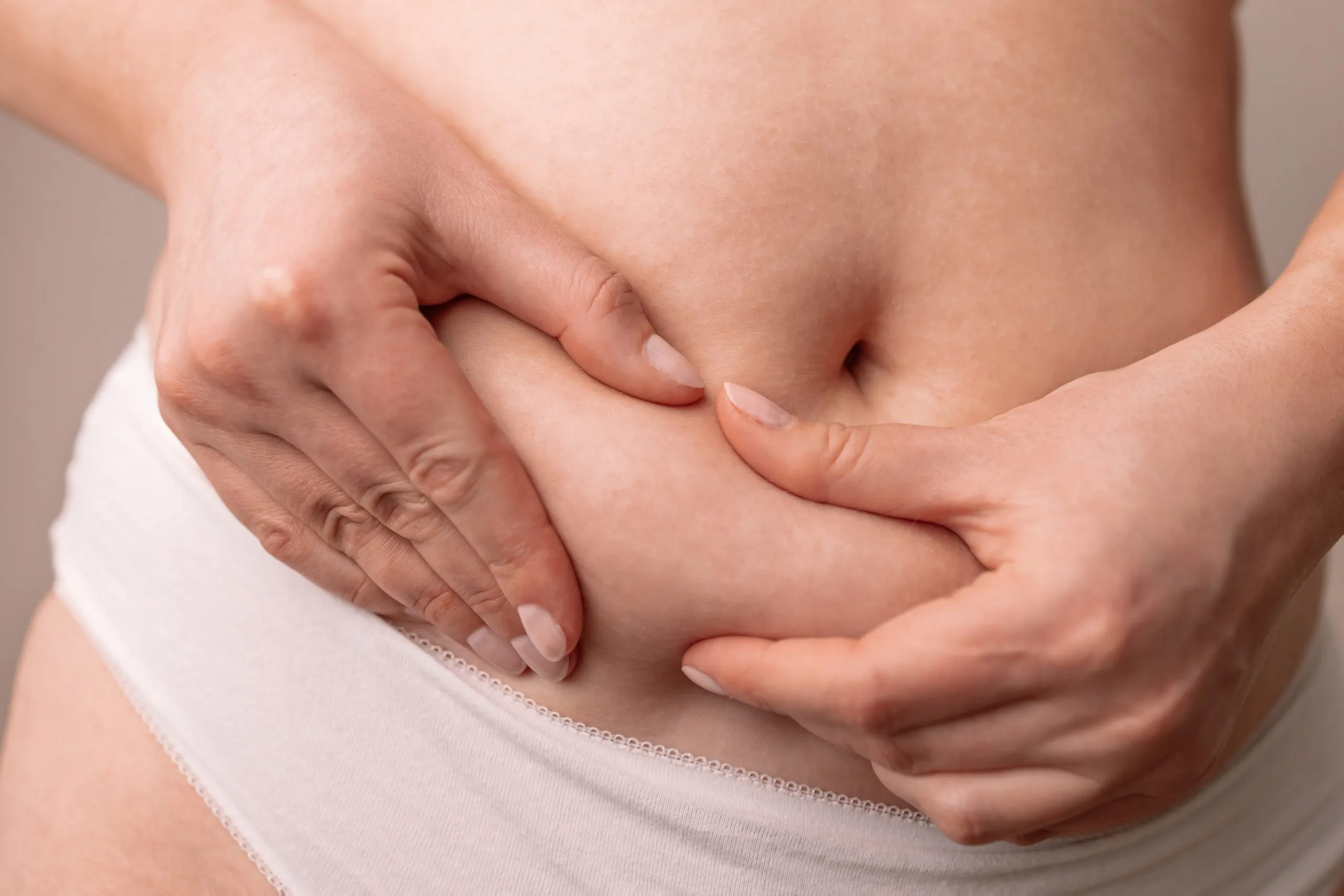
Surgeons may combine methods for more even results. Lower body lift eliminates sagging skin from the buttocks, thighs, and abdomen. This can be combined with other lifts, like an arm or breast lift, to treat multiple areas simultaneously.
Patients are frequently pursuing these surgeries to achieve look-good-in-clothes ideals, a sleek silhouette and that perfect pair of jeans. Not every patient goes for the complete procedure. Others target particular zones depending on their individual requirements and objectives.
Combined procedures might involve longer recovery but lead to more cohesive outcomes.
Procedure Types
| Procedure Type | Target Areas | Expected Outcomes | Recovery Time |
|---|---|---|---|
| Lower Body Lift | Buttocks, thighs, abdomen | Tighter contours, less sag | 4–8 weeks |
| Abdominoplasty | Abdomen | Flatter stomach, no loose skin | 2–6 weeks |
| 360 Body Lift | Abdomen, hips, back, buttocks | All-around contour improvement | 6–8 weeks |
| Arm Lift | Upper arms | Smoother arms, less hanging skin | 2–4 weeks |
| Thigh Lift | Inner and outer thighs | Firmer thighs, reduced sag | 2–6 weeks |
They each had certain problem spots that they were intended to treat. For instance, abdominoplasty addresses the tummy area and arm lifts eliminate upper arm skin. Recovery varies by surgery and individual health.
Most patients require a week or more off work, with heavy lifting prohibited for at least six weeks after bigger surgeries such as body lifts. Scars are inevitable, yet surgeons attempt to disguise them in natural creases. Aiming for realistic results is important; no surgery can create perfection.
Recovery Insights
The initial post-operative days are always the most difficult, accompanied by soreness and inflammation. Drains are typically utilized for up to two weeks to assist with fluid accumulation. Hospital stays are sometimes necessary, particularly following more invasive procedures.
Strict rest is important. No heavy lifting, exercise, or physical jobs for a minimum of 6 weeks for major lifts. Being careful to follow your post-op instructions reduces your risk for complications such as infection or compromised healing.
Keep an eye out for infection, increasing pain or abnormal swelling. Healing times vary. Some go back to light activity after two weeks, but most will require longer. Final results appear over months as swelling subsides and scars diminish.
The Mental Journey
Loose skin from rapid weight loss is not merely a physical issue. A lot of people hit their weight loss goals but remain self-conscious, frustrated, or even disappointed with how their bodies look. The psychological aspect of this journey can be as punishing as the physical.
These transitions are emotional, varying from pride and excitement to anxiety, loss, or grief. Others grapple with their new body image, feeling uncertain if they’ve really ever ‘completed’ their transformation. The healing and adjustment period, particularly following body contouring surgeries, can be exhausting, painful, and emotional.
Everyone’s mental journey is different, fueled by expectations, support, and a sense of self.
Managing Expectations
Managing expectations is key for anyone thinking about skin tightening. They don’t show results immediately and even then they will vary from person to person. Skin tightening, whether surgical or nonsurgical, has genuine limitations.
Talk with your caregivers about your hopes and worries every step of the way. Realistic goals reduce frustration and support a healthier mindset. Understanding that full skin retraction is uncommon prevents disillusionment.
You’ll need patience. Changes are slow and often subtle. Understand that multiple treatments or surgeries may be needed. Some pray for magical outcomes, but come to discover the gains are incremental, not magical.
Open conversations with providers assist in explaining what is feasible and what isn’t. Knowing the details, such as why it’s critical to have a consistent weight for six months prior to surgery, can help you feel more grounded and prepared for what lies ahead.
Body Image
Post-weight loss body image shifts impact mental health in numerous ways. Dropping pounds lifts confidence, but sagging skin can trigger past body issues. This is natural and it’s okay to be ambivalent.
To their surprise, acceptance of themselves often increases as the weeks wear on and they concentrate on how far they’ve come, not just how they look. Consider counseling or therapy for body image issues. Peer or professional support can walk you through the grief of losing your old shape and identity.
A healthy, positive, self-care frame of mind can redirect attention from what’s wrong to what you’re doing right and the rewards of weight loss.
Quality of Life
Skin tightening treatments can lift quality of life by helping people feel better in their own skin. The rewards aren’t purely physical either; quite a few find their confidence boosted, their social ease enhanced, and a new spirit of self discovered.
Finding comfort in your body can expose new paths for work and relationships and activities you may have previously sidestepped. Don’t neglect your self-care, physically or mentally. Exercise, nutrition, and support all keep you strong and optimistic.
The psychological rewards, including reduced anxiety and improved mood, tend to come trailing in your wake as you adapt and recover.
Your Personal Path
Rapid weight loss can leave you with loose skin that irritates you. This may occur on the arms, legs, belly, back, or chest. The amount of loose skin varies depending on how much weight you lost, your age, genetics, and habits such as smoking or sun exposure. Everyone’s skin reacts differently, so the best strategy is a personal one.
A good beginning is to collaborate with a doctor or skin care specialist. They can assist you in laying out a plan that aligns with your objectives and well-being. If you have a chronic illness, like diabetes or heart disease, be sure to discuss that. Health issues can increase complications during or post-operation.
Most specialists suggest that you maintain your weight for at least half a year before even considering surgery. This allows your body to acclimate and allows you to obtain optimal results.
In terms of treatment, you do have surgical and non-surgical options. Surgical body lifts, tummy tucks or arm lifts may take off a lot of that loose skin. Surgery carries dangers such as hemorrhaging, infection, and scarring. There’s a ton of downtime—some folks require weeks, if not months, to recover.
Perhaps most important to know is that results can take months to show and are more likely to persist if you maintain your weight. Non-surgical treatments like ultrasound, radiofrequency, or lasers can be helpful if your skin is just slightly loose. These techniques are lower risk, but they tend to provide gentler outcomes and may require multiple sessions.
Keep informed about new therapies. This is just the tip of the iceberg for skin tightening. Some clinics will now provide you with new devices that utilize heat, light, or sound waves to assist in firming the skin. These are less invasive than surgery and have shorter recovery times.
They won’t work for everyone. It’s good to counsel with your care team regarding the most recent tested choices in your area.
A holistic approach usually does the trick. That’s to say, not just viewing it as protocols, but lifestyle adjustments. Nutrition, water, no smoking, and sunscreen can all make your skin stay firm and heal better.
Good sleep and strength training can help keep your skin as tight as possible. Together with your care team, develop a plan that suits your lifestyle, health, and aspirations.
Conclusion
Loose skin after rapid weight loss can feel difficult to deal with. Most people give lotions or easy fixes a shot first. Others opt for surgery if they desire immediate or definitive results. Friends or group support can help you ride the waves. No two skin stories are the same. Some experience minor fluctuations while others experience larger ones. What really counts is what’s right for you. Monitor how your skin moves. Consult a skin expert if you feel stumped. New options for skin care are constantly emerging. Want to know more or share your own tips? Follow the conversation and get real stories and new ideas delivered.
Frequently Asked Questions
What causes loose skin after sudden weight loss?
It can decrease the layer of fat underneath that holds your skin up. Without sufficient time to adapt, skin can fail to retract and result in excess looseness.
Can exercise help tighten loose skin?
Work out, especially strength training, to build up muscle underneath the skin. It can help enhance appearance and support, but it can’t truly tighten loose skin.
Are there non-surgical treatments for loose skin?
Yes. You have options such as radiofrequency, ultrasound, and laser therapies. These can assist in stimulating collagen and firming skin. Results are inconsistent.
When is surgery considered for loose skin?
Surgery is typically reserved when other non-surgical options don’t work. Body contouring and other skin tightening procedures remove excess skin to create a smoother appearance.
How long does skin take to tighten after weight loss?
It’s a matter of age and genetics and how much weight you lose. For some, it can be improved within a few months, while other individuals may require much more time or opt for additional treatments.
Is skin tightening safe for all skin types?
While most treatments are safe for different skin types, it is key to consult a qualified professional to select an appropriate option and reduce risks.
How can I support my skin’s health during weight loss?
Keep hydrated, eat a balanced meal rich in vitamins, and use moisturizer. These habits promote skin elasticity and skin health in general.
 /
/ 