

Effective Body Sculpting Solutions to Enhance Your Results After GLP-1 Weight Loss Injections: Discover Techniques for a More Sculpted Physique

Key Takeaways
- Rapid weight loss from GLP-1 medications can result in shifts in skin elasticity, firmness, and texture that may benefit from specific care and interventions.
- Whether resolved with surgery or non-surgical body sculpting after glp-1 injections, both options have their own advantages and disadvantages in treating loose skin and persistent fat after weight loss.
- Being at a stable weight prior to body sculpting provides the best opportunity for results that will last. Medical clearance is always advised for safety purposes.
- Tailored treatment plans combining your specific needs, goals, and health status are key to achieving body sculpting success.
- To truly succeed long term, you need balanced nutrition, hydration, strength training, and mental health support to keep feeling and looking your best and satisfied with your results.
- Realistic expectations and open communication with your providers will help you navigate this body transformation process.
Body sculpting after GLP-1 injections is about retaining muscle and contouring your body after weight loss from these drugs. Weight falls so quickly with GLP-1 drugs, individuals typically discover loose skin or less muscle.
To stay fit, others attempt cardio, resistance training, and consuming more protein. Men and women both want to look toned from GLP-1s for health or weight maintenance.
This post shares steps and tips to help get you there.
GLP-1’s Skin Impact
GLP-1 drugs revolutionized weight loss, but their impact on skin can still be hard to miss. When weight falls quickly, your skin can’t always keep up. Sagging, less bounce, and skin that changes in texture and healing occur. These transformations aren’t just skin-deep—they impact confidence, health, and upcoming body-sculpting decisions.
Elasticity Loss
With rapid weight loss from GLP-1s, the skin can lose its elasticity. Skin that once stretched over a plumper form doesn’t always pull taut again. This is particularly so in locations such as the face, arms, belly, and thighs. This elasticity loss can be compounded if a significant amount of weight is lost quickly.
Age, too, plays a role. With age, skin produces less collagen and elastin, the proteins that give skin its snap and firmness. When fast weight loss occurs later in life, the skin doesn’t rebound as easily, so sagging is more common. The double whammy of weight loss and aging compounds the issue.
To help mitigate these effects, consider the following tips:
- Drink enough water to keep skin cells hydrated.
- Apply sunscreen daily to prevent UV damage.
- Consume a well-rounded diet with vitamins C and E to help repair your skin.
Radiofrequency, ultrasound, and laser therapy can help tighten loose skin. Others opt for body contouring surgery for more dramatic results. Muscle-building workouts can help tighten loose skin and improve appearance.
Collagen Reduction
GLP-1s can alter the communication between fat and skin cells, which can reduce collagen. Collagen maintains skin tautness and facilitates injury healing. Less collagen means skin isn’t as resilient, which can translate to more loose or droopy skin following weight loss.
When collagen dissolves, it makes skin thinner and more fragile. This increases the risk of scars that heal poorly or even keloids, which are thick, raised scars. Individuals on GLP-1s can sometimes heal slower, and wounds can reopen or scar in unpredictable ways.
Several treatments can help stimulate collagen production:
- Microneedling: Tiny needles trigger collagen growth by causing small injuries.
- Chemical peels: These remove dead skin and boost new collagen.
- Platelet-rich plasma (PRP) uses your own blood to help skin repair and grow collagen.
- Retinoids are topical creams that help skin rebuild and smooth fine lines.
- Collagen-boosting laser treatments use light energy to heat up skin and spark new collagen.
After a while, reduced collagen leaves your skin feeling limp and sagging. Over the long term, this can render wound healing and even plastic surgery less dependable.
Textural Changes
Significant weight loss from GLP-1s can cause skin to appear coarse, dry, or flaky. Skin may appear papery or thin. These changes frequently manifest on the face, neck, and arms. Some experience stretch marks or mini-wrinkles in areas where the skin was stretched the most.
Rough or uneven skin can transform your body’s appearance, even post-sculpting. Lumps, bumps, or flaccid spots can prevent us from achieving our aesthetic goals. After all, it’s frustrating to have a slimmer shape but skin that looks tired or worn.
To address these textural changes, treatments such as mild exfoliation, moisturizing masks, and non-invasive resurfacing can assist in smoothing the skin. For more significant transformations, laser resurfacing or microneedling can reduce roughness. Medical-grade moisturizers with ceramides or hyaluronic acid can also be beneficial.
Your skincare routine is personal. What works for you may not work for me, particularly with different skin types and backgrounds. A board-certified dermatologist can help personalize a plan that meets your specific needs and supports skin health.
Sculpting Post-GLP-1
GLP-1 weight loss body sculpting has its own set of requirements. For most, there’s a significant transformation in weight, but the path doesn’t necessarily stop there. Certain regions cling to fat, and loose skin and muscle tone can define how one feels about their results. Every situation is unique, so it’s useful to understand what to anticipate and what may be effective.
1. Stubborn Fat
Even after a heavy weight loss, some fat just sticks around. Typical locations include the abdomen, thighs, flanks, and arms. These fat pouches resist diet and fat loss. They all look at liposuction. Sculpting Post-GLP-1.
Lipo 360, BodyTite, Renuvion, and the like help achieve the hard-to-reach fat removal you desire. For patients losing more than 20%, you usually need more than one way to make an impact. Coping with recalcitrant fat can impact the way individuals view themselves.
When it’s all said and done, it can be disheartening to have come so far. The best fat removal option for you will depend on your area, skin quality, and goals. Liposuction is trending, but not alone. Others employ power-assisted tools for more efficient and effective results. Non-surgical options can assist, but if you’re looking for big transformations, surgery is your friend.
2. Loose Skin
Loose skin is typical for weight loss warriors who shed big pounds, particularly with GLP-1 drugs. The loose skin can exceed what non-invasive devices are capable of addressing. Surgical procedures such as tummy tucks or thigh lifts tend to be most effective for removing significant amounts of skin.
These surgeries cost anywhere from $8,000 to $30,000 and above. The trick is locating a talented plastic surgeon. They can determine if surgery is the optimal path, establish expectations, and outline risks. Others attempt non-surgical skin tightening, but these are effective for mild skin laxity.
3. Muscle Definition
Tone sculpts what your frame looks like after fat loss. GLP-1 meds can occasionally result in muscle loss. SCULPTING POST-GLP-1. To get that sculpted look, strength training, resistance bands, or pilates can help bring back muscle definition. High-protein diets might assist preserve muscle.
Tip 3: Balanced fitness plan. Sculpting post-GLP-1 assists in maintaining results and contributes to general well-being.
4. Procedure Synergy
One example is a sculpting mash-up post-GLP-1. Liposuction with skin tightening will resculpt and contour the body in one scheme. Surgical and non-surgical options in combination are sculpted to each individual’s needs.
Timing is important. Patients may have to wait two to three weeks after stopping GLP-1 before surgery. Recovery and follow-up are important. Final results can take three to six months as swelling subsides.
5. Ideal Candidates
The ideal candidates have maintained a stable weight for a minimum of three months and are healthy. Realistic goals and clear ideas about surgery outcomes matter. Surgeons will check overall health, skin type, and wishes during a consult to determine if body sculpting is a good fit.
This step helps lay the groundwork for positive outcomes and secure treatment.
Treatment Options
BODY SCULPTING AFTER GLP1 INJECTIONS encompasses various methods. The correct selection varies based on age, health, degree of weight loss, and individual objectives. Every approach carries different advantages, hazards, expenses, and healing requirements.
Key differences between surgical and non-surgical body sculpting include:
- Surgical: Involves incisions, anesthesia, and longer recovery.
- Non-surgical options use devices or injections, often done in clinics with minimal downtime.
- Surgical methods can excise greater amounts of fat or loose skin.
- Non-invasive techniques address smaller, resistant fat pockets or mild skin laxity.
- Surgical procedures are riskier but can be more dramatic.
- Non-surgical options are lower risk. The results can be slow or subtle.
Surgical
Surgical body contouring tends to be the choice for individuals with significant loose skin or large pockets of fat, such as following dramatic weight loss. Popular surgeries are tummy tucks to remove excess skin and tighten muscles and liposuction to remove fat pockets.
Liposuction can be utilized in different ways such as Lipo 360 for full midsection sculpting, PAL (Power-Assisted Liposuction) for expedited fat removal, BodyTite (RFAL) for fat extraction combined with radiofrequency skin tightening, or Renuvion (J-Plasma) which offers transformative skin retraction.
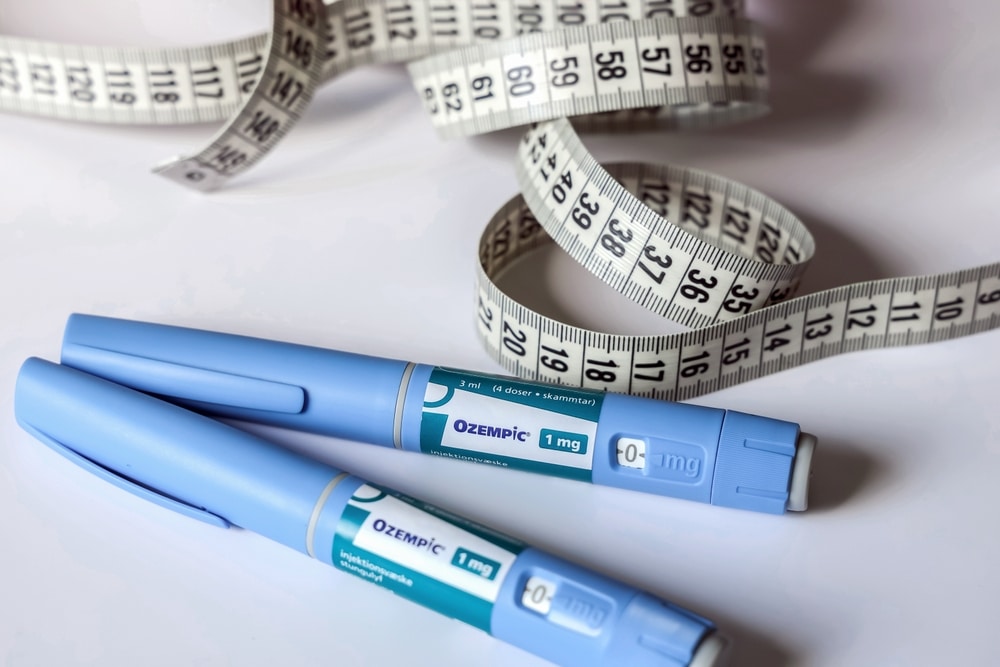
Fortunately, facial fat grafting is sometimes able to correct “Ozempic face” and Brazilian butt lifts can replenish “Ozempic butt,” areas where volume in the buttocks has been compromised.
| Procedure | Main Benefit | Key Risks |
|---|---|---|
| Tummy Tuck | Removes excess skin, tightens muscles | Scarring, infection, blood clots |
| Liposuction (Lipo 360, PAL) | Removes fat from targeted areas | Bruising, swelling, contour irregularities |
| BodyTite/Renuvion | Fat removal + skin tightening | Burns, seroma, numbness |
| Brazilian Butt Lift | Restores volume, reshapes buttocks | Fat embolism, asymmetry |
| Facial Fat Grafting | Softens facial hollows | Infection, lumpiness |
Recovery is different for each procedure. Most are back to desk work in a week and exercise in three or four weeks. Compression garments are worn four to six weeks to assist with swelling and support skin.
Prices vary from $8,000 for single area lipo to $30,000 or more for combination procedures. Best results come after the weight has been stable for at least three months. Many surgeons recommend waiting six to twelve months following the weight loss for the skin to retract and the patient’s health to stabilize.
Non-Surgical
There are non-surgical body sculpting treatments available, like CoolSculpting, which freezes fat cells, or ultrasound skin tightening, which uses sound waves to firm skin. These techniques are less invasive, with less downtime and fewer risks than surgery.
They’re most effective for patients with mild skin laxity or small fat deposits that resist diet and exercise. CoolSculpting, for instance, is appropriate for the abdomen or the thighs, whereas ultrasound or radiofrequency devices address skin laxity on the face, arms, or belly.
| Treatment | Main Advantage | Effectiveness |
|---|---|---|
| CoolSculpting | No incisions, no anesthesia | Good for small bulges |
| Ultrasound Tightening | Firms mild skin laxity | Gradual improvement |
| Radiofrequency | Tightens skin, boosts collagen | Subtle, builds over time |
The majority of individuals can return to regular life immediately following non-surgical treatments. There’s little chance of scarring, infection, or deep tissue damage.
Sessions can be repeated for additional impact. These treatments can complement surgery, for example, employing radiofrequency post-liposuction to assist skin in retracting further.
The Right Timing
Re-shaping your body for GLP-1 shots is all about timing. Weight loss can alter the body in many ways, so when to begin body contouring is key for quality and long-lasting outcomes. Everyone’s body reacts differently, so there’s no universal answer. There are some common steps that assist in determining when to push ahead.
Weight Stability
Surgeons concur that maintaining a stable weight is essential prior to considering any body sculpting procedures. Weight stability refers to maintaining your weight within 2 to 5 kilograms (5 to 10 pounds) for at least three to six months, without any major fluctuations. If weight fluctuates, surgical results can shift or fade and healing slows.
For instance, if a person loses additional weight post-surgery, excess skin can redevelop. If weight is regained, results may appear lumpy. For example, after initiating GLP-1 medication, many providers recommend waiting a minimum of 12 to 18 months to allow the body to settle at its new baseline. This helps reduce the chances of additional sagging or further work down the road.
It’s good to have a realistic time frame. It’s a race to the bottom when you go under the knife too early and the results aren’t permanent. Maintaining weight can be challenging. It soothes to stick to regular meals, exercise consistently, and stay connected with a medical team.
A few of us actually use apps to monitor our weight and habits, which makes it easier to catch any patterns sooner. A surgeon will usually perform a complete check-up six months after significant weight changes to determine if the individual is prepared for body sculpting. This step helps align the appropriate procedure to the person’s needs depending on how their body has shifted.
Medical Clearance
No matter what, get medical clearance before any body sculpting. They need to make sure that the patient is fit for surgery. This is to check for any heart problems, blood pressure, or the functioning of the kidneys and liver. If there are other health concerns, some folks might require additional testing.
For instance, if you have diabetes, blood sugar has to be controlled pre-operatively. Pre-surgery checks protect your patient and reduce the risk of complications. These screenings could involve blood tests, heart screenings, or recommendations to discontinue certain medications.
Patients should inform their surgeon of any health issues, even minor ones. They weren’t good candidates for surgery because they had untreated medical problems. For these individuals, physicians might recommend waiting or exploring alternative means to achieve their objectives.
Beyond Procedures
Bodysculpting is just one phase in a far larger transformation for GLP-1 users. Weight loss from these medications can cause loose skin, volume loss or fat that just won’t go away with diet and exercise. A lot require surgical fine-tuning, be it liposuction or other contouring, to achieve those goals.
The process doesn’t end with surgery or procedures. Maintaining results is about food, movement and mind. This generally requires a stable weight for three to six months before body contouring surgery. This aids in making sure of the optimal and safest result.
Because GLP-1 meds delay stomach emptying, anesthesia during surgery requires additional precautions to reduce the risk of aspiration. A good cosmetic surgeon consult is everything—they consider your desires, history, and expectations to strategize what’s best for you. While sophisticated strategies have eased the liposuction recovery process, ultimate results such as complete skin tightening can take between six months to a year. Grounding expectations and being patient is key.
Nutritional Support
Balanced nutrition lies at the foundation of long-term success post body sculpting. Consuming sufficient protein and healthy fats supports the body’s healing process while preserving muscle. Vitamins C and E, zinc, and collagen-building foods support skin health and can assist with elasticity, a common concern following dramatic weight loss.
Hydration is important as well. Sufficient water intake enhances skin texture, supports healing and assists in toxin flushing post surgery. Balanced blood sugar maintains sustained energy and can prevent snack attacks that result in weight gain.
Post-surgery patients enjoy leafy greens, lean meats, and whole grains. These foods provide nutrients that facilitate tissue repair and bolster immune function. Meal planning can help you avoid slumps and keep you moving forward.
Strength Training
- Weight training sculpts muscle and adds toning to the body after fat loss.
- When you build lean muscle, arms, legs, and the core appear firmer and more defined. Post-weight loss, this can help fill out loose skin and create smoother lines.
- Muscle burns more calories at rest, which bolsters a healthy metabolism and reduces the risk of regaining lost weight. Think beyond procedures: workouts with weights or resistance bands regularly will keep your results longer.
- Beyond processes. Establishing a habit a couple of times a week helps you keep it up and delivers the best long term impact.
Mental Health
Body transformations exceed the corporeal. The mind requires tending as well. Post massive weight loss, it can be difficult to picture yourself differently. Others have body esteem issues, even when the world can see the results.
With the help of mental health professionals, therapy or group sessions, most people are able to cope. They provide a supportive environment to discuss concerns, establish positive habits, and enhance self-esteem.
In the long term, your happiness will likely hinge almost as much on psychological transformation as on physiological transformation.
Realistic Expectations
Body sculpting post-GLP-1 injections: Promise with limitations. A lot of people observe loose skin—particularly in the midsection and arms—after shedding pounds with these drugs. Body contouring can help tighten these areas; however, every patient does not achieve the same appearance. Skin quality, age, and how much weight was lost all alter the result. For some, it’s a dramatic transformation. For others, more than one session may be necessary.
Patients with age-related volume loss in the face might want to incorporate facial fat grafting while they’re having body contouring performed, addressing both the body and face in one fell swoop. That stable weight is important before any body sculpting. Surgeons frequently request three to six months of stable weight prior to proceeding. This helps to ensure results are sustainable and reduces the chance of even more loose skin if your weight fluctuates.
Similarly, most surgeons request that patients discontinue GLP-1 meds two to three weeks prior to treatments such as liposuction. This step decreases the chance of wound complications. There is not immediate recovery following body sculpting. Most can return to desk work in 5 to 7 days. Getting back to exercise requires more time, generally three to four weeks.
The initial two weeks are the worst for swelling, but it really begins to subside by weeks three and four. You’ll need to wear compression garments for two to six weeks to contour your new shape and decrease swelling. Initial changes appear within two to four weeks, but optimal results require approximately three months.
Direct communication with your surgeon is essential. Everybody has a different mold and target. Patients should come with photos and descriptions of what they’re hoping for but should prepare to be met with candid feedback about what is realistic. Some will want a flat belly or slim arms, but how much change is possible depends on the skin’s elasticity and remaining fat deposits.
A good surgeon describes the possible and impossible, timelines, and goes over all risks. Perseverance and time are a beautiful combination. The complete shift doesn’t happen overnight, and there can be backsliding. Adhering to post-op care, such as wearing garments and attending follow-ups, really matters. Maintaining your weight post-surgery is equally important to maintain the new look.
Conclusion
Body sculpting after glp-1 injections opens up fresh options for anyone seeking to tighten or contour their body. Others get loose skin or soft spots after weight loss with these shots. Easy treatments such as radio waves, muscle toning, or skin tightening may assist. Results are contingent on skin type, age, and weight lost. It aids in establishing clear goals and discussing them with specialists who understand these treatments. Every step counts for lasting transformation. To discover more or find your plan, connect with a licensed clinic or doctor. A quick conversation can clear up what will work best. Get the information, consider your options, and mind your own speed.
Frequently Asked Questions
What is the effect of GLP-1 injections on skin appearance?
The skin can take time to adjust, and some individuals might observe differences in firmness or elasticity.
When is the best time to start body sculpting after GLP-1 injections?
Do body sculpting only when your weight has plateaued for months. This gives your body time to adapt and ensures you maximize your results.
What are common body sculpting options post-GLP-1?
Popular choices are non-surgical treatments such as cryolipolysis (fat freezing) and radiofrequency or surgical options such as liposuction or skin tightening surgery. Get some professional advice.
Are there non-surgical ways to improve body shape after GLP-1?
Yes, non-surgical approaches like regular exercise, a healthy diet, and specific skin tightening treatments can partially help tone up your body after GLP-1 injections.
Will body sculpting completely remove loose skin after GLP-1?
Body sculpting may help tighten loose skin but not necessarily get rid of it. Results differ depending on the quality of skin and the amount of weight lost.
How can I set realistic expectations for post-GLP-1 body sculpting?
Results vary based on factors such as age, skin type, and how much weight you lose. Talk goals honestly with your provider and develop a plan that matches your desires.
Is it safe to combine different body sculpting treatments after GLP-1?
Working in tandem can be safe with professional oversight. Consult with a licensed healthcare provider to ensure safety and to get the best results.
 /
/ 