

Ozempic Face Treatment Options: Comprehensive Guide to Solutions and Costs
Key Takeaways
- Fast fat loss related to GLP-1 medications such as Ozempic can contribute to significant facial volume loss, sagging, and textural changes of the skin, colloquially known as “Ozempic face.”
- Some options for treatment of lost facial volume include autologous fat grafting, nanofat, structural fat grafting and hybrid approaches.
- A fat transfer candidate is someone whose weight is stable, is in good health, and has realistic treatment goals discussed with a qualified professional.
- This treatment journey generally comprises an initial consultation, a procedure phase involving advanced techniques, and a recovery window where adherence to aftercare contributes to optimal results.
- Strategic timing of treatments and healthy lifestyle habits including nutrition and continued skincare can help to optimize and extend results.
- Long-term success hinges on routine maintenance visits to your providers, realistic expectations, and being open to other treatments if necessary for sustained rejuvenation.
Ozempic face fat transfer options provide individuals with methods to address Ozempic-induced volume loss in the face due to weight loss.
Fat transfer utilizes your own fat to provide fullness and contour in cheeks, temples, or under the eyes. Others try fillers as a quick-fix.
Each has benefits and drawbacks depending on needs and health. More on these options and what to anticipate below.
Understanding “Ozempic Face”
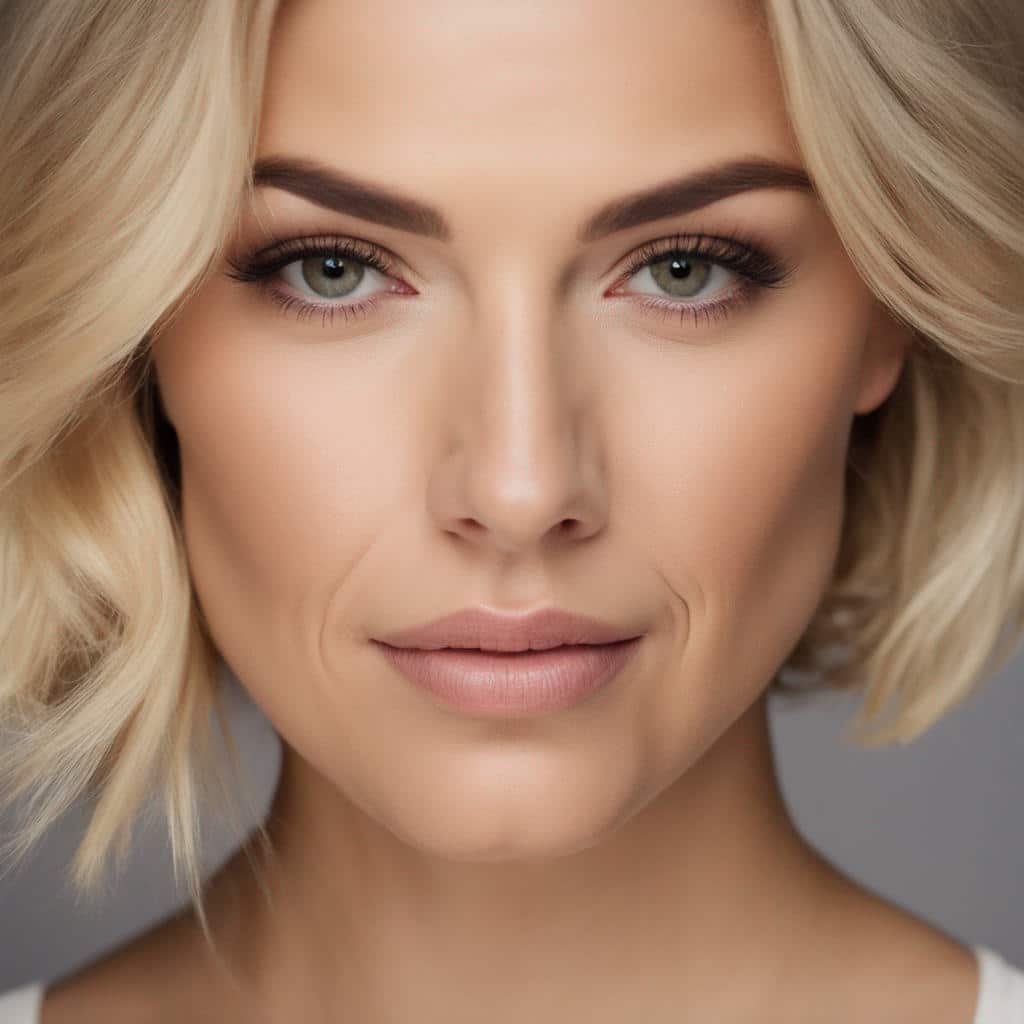
Ozempic face is the name given to facial changes that occur with rapid weight loss, typically following the initiation of GLP-1 drugs like semaglutide. It’s characterized by volume loss to the cheeks, loose skin, and a hollowed appearance. These changes can manifest quickly, especially if the weight loss is pronounced or abrupt.
While the face may initially appear slimmer, fat volume decreases result in the skin beginning to sag and fine lines and wrinkles becoming more apparent. It’s not only age; even younger folks can observe these differences. Most don’t notice the change until another person mentions it.
There’s the collagen aspect of how Ozempic functions, so the skin could lose its suppleness and elasticity, exacerbating this transformation.
The Mechanism
Ozempic face is about how Ozempic affects the face, not weight loss. Ozempic works by altering fat metabolism. It accelerates lipolysis and suppresses appetite, resulting in rapid and significant weight loss.
Because the face contains less fat than other areas of the body, even a small decrease in volume can be noticeable. GLP-1 agonists such as Ozempic drive this because they encourage the body to burn its fat stores for energy. When weight loss is rapid, fat cells contract and can even die away, particularly if you shed more than 20% of body weight.
Subcutaneous fat, the layer directly underneath the skin that cushions the face and keeps it looking full, simply thins out.
| Weight Loss Rate | Impact on Facial Fat | Risk of Ozempic Face |
|---|---|---|
| Gradual (≤0.5 kg/week) | Mild volume loss | Lower |
| Mild (0.5–1 kg/week) | Noticeably thinned. About knowing Ozempic face. | |
| Fast (more than 1 kg per week) | Significant loss, drooping | High |
Understanding Ozempic face is crucial for treatment planning. Slow and steady weight loss and keeping skin hydrated both mitigate the risk and make it easier to deal with changes with appropriate solutions.
Visual Signs
- Hollow cheeks
- Loose skin, particularly around the jawline and under the chin.
- More pronounced wrinkles and lines
- Drooping or jowls along the jaw
- Thinner temples and forehead
- Noticeable skin folds around the mouth
Losing fat from the face makes people appear older or more fatigued, despite feeling healthier. Lipoatrophy, which is the breakdown of fat beneath the skin, takes away the natural padding.
As a result, the skin rests closer to the bone and can sag. Wrinkles become more pronounced, skin laxity is evident, and the entire appearance of the face is altered. The cheeks, jawline, and forehead are the biggest culprits, but even the neck can appear loose.
Psychological Impact
These transformations can be taxing on a person’s self-image. Fast facial transformations can feel jarring, particularly when they occur more swiftly than anticipated. Others might begin to shun social engagements or become insecure in public or professional life.
Even among close relationships, changes in appearance can stir up hard feelings. Transparent discussions with clinicians assist patients in expressing concerns about appearance and self-image.
Incorporating mental health support into treatment plans helps patients feel confident in both their health and their appearance.
Fat Transfer Options
Fat transfer, aka facial fat grafting, has long been a standard solution to reverse facial volume loss following quick weight loss, including the impact of GLP-1s like Ozempic. There are quite a few choices, and each has its own advantages. They tackle issues like hollow cheeks, temple, or tear trough hollows.
The key difference is surgical versus non-surgical, with surgical fat transfer harvesting and placing your own fat and non-surgical options ranging from nanofat injections to other less-invasive procedures. Because autologous fat typically generates natural results and the technique can be customized to each individual’s requirements, it’s crucial to customize the treatment plan.
1. Autologous Fat Grafting
Autologous fat grafting begins by harvesting fat from areas of the body where there’s an excess, commonly the abdomen or thighs. The fat is purified and injected into places in the face that have deflated. It’s especially good for those seeking a natural look and feel since you’re using your own cells.
It can be particularly useful for patients experiencing volume loss due to deep weight loss or medication side effects. The chief benefit is that there’s little risk of allergic reaction, and the consistency pairs well with facial tissues.
Since some fat will be reabsorbed, the results can shift. Potential complications are irregularity, infection, or fat nodules. Selecting a skilled surgeon is paramount, and those with extensive experience in fat grafting techniques achieve superior and safer outcomes.
2. Nanofat Injections
Nanofat injections utilize very small, filtered fat particles abundant in regenerative cells. It’s not just for volume — this technique can help with skin quality and texture. Nanofat is injected into the superficial layers of the face and assists with skin tone and fine lines.
The major appeal is less downtime and less swelling than traditional fat grafting. These injections can refresh tired skin and are popular for under-eye circles. They are subtle but can create smoother, healthier skin with continued use.
3. Structural Fat Grafting
Structural fat grafting addresses deep facial contours, like your cheekbones and jawline. With meticulous layering, physicians restore the face’s natural shape. Volume and a subtle lift can be provided to targeted areas, resulting in a visage that appears plumper yet still proportioned.
Unlike typical fat transfer, this approach is much more architectural than filler-based. The trick is to ensure both sides of the face correspond nicely, so an experienced aesthetic eye is crucial.
4. Hybrid Approaches
Hybrid approaches combine fat transfer with other procedures, like dermal fillers or skin resurfacing. You can combine techniques to simultaneously treat deep hollows, fine lines, and skin tone.
For instance, a patient may get fat grafting for cheek volume and then HA filler for lips or lines. This option is beneficial for individuals with complicated issues or who desire more than volume replacement. Know what you want first, and a custom plan gives you more natural results.
Candidacy Assessment
Thoughtful evaluation is essential prior to any fat transfer to fix Ozempic face. This checks if a patient is a good candidate for therapy and helps design a plan tailored to their needs. Clinicians consider a plethora of different variables to confirm that the fat transfer will be successful and safe.
The main things considered include:
- Stable weight for at least three months
- General health status and medical history
- Areas of concern and degree of facial volume loss
- Skin quality, elasticity, and age
- Personal aesthetic goals and expectations
- Willingness to follow a weight management plan
- Realistic understanding of treatment results and limitations
- Prepared for a slow, lifetime transformation, not quick fixes.
Weight Stability
Fat transfer is optimal when weight is stable. If weight continues to fluctuate, fat grafts may not hold or can become misshapen, rendering results inconsistent. Skin stretched by yo-yo weight can shrink or sag, making the end result less secure.
Getting fat transfer while actively losing weight is dangerous. If you continue losing weight, new facial fat may shrink as well and the improvement could be lost. A consistent, well-maintained weight is required pre-and post-treatment in order to maintain results in a natural way.
Specialists note that you should maintain a steady weight for at least three months prior to considering fat transfer. A solid weight management strategy allows patients to maintain their appearance over time. This method incorporates a nutritious diet, consistent physical activity, and professional assistance as necessary.
Health Status
Health has a huge impact on recovery. Certain medical conditions, such as diabetes, poor circulation or immune issues, can delay healing or cause complications following facial treatments. The doctor will inquire about any medicines, allergies and previous conditions.
Need a full medical check before anything. This screening identifies potential hazards and enables the physician to recommend the safest alternatives. Open discussion of health history, both past and present, reduces the risk of complications and assists in establishing an appropriate treatment plan.
Pre-existing medical problems can alter the way the treatment is administered or even if it is administered at all. For instance, a person with blood clotting issues might require an alternate treatment.
Realistic Goals
If you can set reachable goals. Patients desiring significant change in a small time frame may be displeased, as fat transfer results manifest slowly over several months. The amount of improvement is dependent upon skin quality, age, and volume loss.
It is useful to candidly discuss with the plastic surgeon. Your surgeon can demonstrate what is achievable and tell you what isn’t. A good surgeon will navigate patients through the process, explain what to expect and help establish goals that fit the person’s own face and desires.
Being candid about constraints is crucial. For some patients, multiple sessions may be required or they may not achieve the desired volume with fat transfer alone.
The Procedure Journey
Ozempic face fat transfer treatments are a procedure journey, tailored to every patient’s individual desires, experience, and objectives. From consultation to recovery, your procedure journey is crafted with your safety, comfort, and enduring outcomes in mind. Patient education, surgeon expertise, and attentive aftercare are all key players in this journey.
Initial Consultation
Patients encounter the surgeon to address their facial volume loss concerns from Ozempic. Medical history, medications, and prior procedures are all discussed. This aids the surgeon in screening for hazards and designing a secure strategy.
Treatment goals are discussed with the patient in the context of age, skin quality, and extent of volume loss. Imaging tools or computer simulations can be employed to illustrate potential changes. This step could assist patients in envisioning realistic results based on their own characteristics.
The surgeon specifies what you can and cannot do. Patients are encouraged to inquire, doubt, and voice concerns about risks, downtime, or results. Unambiguous, two-way communication at this stage sets the stage for a seamless experience.
The Operation
Fat transfer starts with a little incision, typically in a concealed spot. A cannula is then inserted to softly suction fat from a donor site, typically the abdomen or thighs. Any liquids and fat are drained, then pushed through filters to form tiny, even particles of fat between 0.5 and 1 millimeter in size.
This size assists the fat to settle evenly in the face. Patients can have local anesthesia, sedation, or general anesthesia based on preference and extent of the procedure. With modern techniques, a sterile environment, and prophylactic antibiotics, the risk is under 1% if guidelines are adhered to.
The purified fat is injected in specific areas for smooth, natural-looking volume. They generally take one hour to two hours; however, this depends on the regions treated and the quantity of fat transferred. Most patients are sent home the same day.
Recovery Phase
Recovery begins with swelling and minor bruising, both of which reach their height during the first week and then subside. You’re okay to do light activities within a few days, just nothing too strenuous. No hardcore exercise is allowed for at least two or three weeks.

Patients must sleep on their backs for the initial week to safeguard the grafted fat. The surgical team delivers specific aftercare instructions. Proper wound care, gentle face washing, and medications keep complications at bay.
Final results come in three to six months once the swelling has subsided and the fat has a new blood supply. About 50 to 70 percent of injected fat survives and it is frequently permanent. Touch-up sessions can be done after six to twelve months for those seeking additional volume.
We want our patients to have stable weight for about three months prior to surgery and have realistic expectations.
Strategic Timing
Timing is crucial for Ozempic face fat transfer. Your choice of when to swing can influence both your recovery and your results. Every patient’s story with Ozempic and weight loss and their face is different, so the timing of fillers or fat grafting had to match your specific body’s timing and your schedule.
Thoughtful timing prevents you from being pushed through surgeries while your weight or skin is still fluctuating. Most wait until weight has been stable for 6 to 12 months or longer before body contouring or fat transfer, as fat survival and placement require a steady baseline.
When hollowing first shows, typically after losing somewhere around 10 to 15 percent of your weight, HA fillers can help bridge the gap before fat grafting. Patients tend to strategically time these treatments around big life events, ensuring that there’s ample recovery time.
This implies not just planning your own schedule, but thinking in terms of seasons. Cooler months can assist with swelling and sun exposure post-treatment, whereas hot or humid weather might impede your healing or increase infection risk.
Planning ahead means thinking long-term: the best results last when you time touch-ups and maintain good skin care habits over months and years.
During Treatment
Strategic timing: Controlling everyday decisions while in treatment can aid healing. Balanced meals and plenty of water keep skin healthier and can expedite recovery.
In the initial three months of GLP-1 use, many people experience dry skin as an issue, so additional moisturizing or mild products can be beneficial. Not engaging in strenuous activity or heavy lifting immediately following a procedure avoids swelling or bruising from exacerbating.
Discuss with your care team what activities to defer and for how long. Be sure your health team knows about changes in your routine, new medicines, or any reactions you notice.
Questions and concerns have no time to marinate. Transparent dialog catches small issues before they fester into large ones. They do best by keeping with the plan and checking in frequently if treatment plans or schedules need to change.
Post-Treatment
- Follow-up appointments are crucial for monitoring healing, identifying issues early, and determining next moves.
- Sunscreen, mild cleansers, and quality moisturizers assist the skin’s healing and safeguard your result’s investment.
- Report pain, swelling, or changes that feel weird to your provider immediately.
- Changing habits such as quitting smoking, drinking more water, or resting adequately can make results stick longer.
Long-Term Planning
Forward thinking style maintains facial harmony as your figure shifts. Strategic Timing: Periodic visits to a plastic surgeon can identify trends or changes before they require major corrections.
Muscle-building healthy habits, stable weight, sufficient sleep, and nutritious meals are fundamental for maintaining results that look natural. Over time, certain patients require touch-ups, fillers, or other skin procedures every 6 to 12 months, depending on their individual metabolism and products used.
Additional surgeries might be required as aging or weight fluctuations continue. Routine review means you can be proactive, not just reactive.
Results and Longevity
Fat transfer provides a fix for the volume loss often referred to as “Ozempic face.” This technique uses a patient’s natural fat to replenish facial volume that weight loss or prescription drugs can diminish.
Below is a table showing expected outcomes of Ozempic face treatments:
| Treatment Option | Duration of Results | Typical Survival Rate | Maintenance Needs |
|---|---|---|---|
| Fat Transfer (Standard) | Permanent (years) | 50-60% | Rare touch-ups, healthy lifestyle |
| Fat Transfer (SVF-enriched) | Permanent (years) | ~65% | Fewer touch-ups, healthy lifestyle |
| Hyaluronic Acid Fillers | 6-12 months (up to 15y) | N/A | Touch-ups every 6-18 months |
Longevity is influenced by the method employed, the size of the treatment area, and patient habits. SVF-enriched fat grafts have the ability to increase fat survival to approximately 65%.
Standard fat transfer has a 50 to 60 percent survival rate since 30 to 50 percent is reabsorbed. For temporal amplification, survival can be as high as 20 to 90 percent. Fillers last 6 to 12 months but can stick around for years, sometimes costing more in the long run.
Results and longevity: Managing expectations is key. Outcomes shift over time, and maintenance may be needed. Patients thrive on seeing results and celebrating gains, not obsessing about perfect.
Immediate Outcomes
Immediately following a fat transfer, the face tends to appear plumper. A little swelling and bruising is common, especially in the initial week. Your face might appear rounder than anticipated initially because not all of the transferred fat is going to survive.
Over the ensuing weeks, much of this fat is reabsorbed by the body, leaving the permanent final result. Be patient. Genuine outcomes sometimes take a few months to set. Taking photos allows patients to visualize their results and notice the seemingly invisible day-to-day changes.
Long-Term Viability
The longevity of transferred fat depends on many factors. Good surgery and surgical technique are critical to keeping it alive. SVF-enriched techniques exhibit increased survival, with approximately 65 percent of fat persisting.
Conventional treatments have roughly 50-60 percent survival. Patient factors matter too: stable weight, a healthy diet, and not smoking all help fat survive. Fillers sometimes last years, but usually require frequent touch-ups.
Over the long term, fat transfer generally is more economical for those requiring a lot of volume. Results and longevity maintenance and healthy habits make results stick.
Sustaining Volume
- By staying at a stable weight, you help keep fat cells healthy and in their proper place.
- Consume nutrient-dense, balanced meals to aid skin recovery and fat retention.
- Don’t smoke and limit alcohol. Both accelerate fat loss.
- Protect skin with gentle skincare and SPF that keeps skin firm and smooth.
Maintenance treatments such as fillers or additional fat transfers may be required as the face changes with age. Simple habits, like daily skin care and hydration, keep skin glowing.
Educated patients who keep up on the latest facial treatments are able to make smart decisions for themselves.
Conclusion
Ozempic face frequently presents as loose skin and lost roundness. Fat transfer provides a clean avenue to plump cheeks and smooth lines. Doctors use your own fat for a soft, natural feel. It lasts longer than fillers and suits many needs. Everyone receives a custom plan tailored to their unique face and aspirations. Most notice an actual difference within weeks. Others like to combine this with other skin solutions for maximum effectiveness. To see what is right for you, consult with a board-certified physician who specializes in this work. Receive straightforward guidance for your own situation. Book a consult and discover actual options for a fresh face. Select care that prioritizes your safety and your goals.
Frequently Asked Questions
What is “Ozempic face” and why does it happen?
Ozempic face is facial volume loss some experience after Ozempic weight loss. Fast fat loss can lead to your face appearing gaunt, aged, or sunken.
Can fat transfer restore facial volume lost from Ozempic use?
Absolutely, fat transfer can replenish volume with your own body fat. This allows for a more plumped and youthful look in places experiencing volume loss.
Who is a good candidate for facial fat transfer after Ozempic?
Excellent candidates are healthy, have reached a plateau in weight, and have adequate donor fat elsewhere. A consultation with the provider is necessary for evaluation.
How does the fat transfer procedure work?
Fat is removed from a more generous portion of your anatomy, refined and inserted into the facial region. It is a minimally invasive procedure, frequently performed under local anesthesia.
How long do fat transfer results last?
Fat transfer results can persist for multiple years. Some of it may be reabsorbed, so good luck. Touch-ups are sometimes necessary.
Is there a best time to have fat transfer after Ozempic?
Ideally, you should stabilize your weight prior to having fat transfer. This contributes to durable, natural results.
Are there risks or side effects with facial fat transfer?
Yes, potential complications can involve bruising, swelling, infection, or asymmetrical outcomes. Selecting a seasoned expert can minimize these risks.
 /
/ 