

Ozempic and Your Body: Navigating Post-Weight Loss Surgery Options
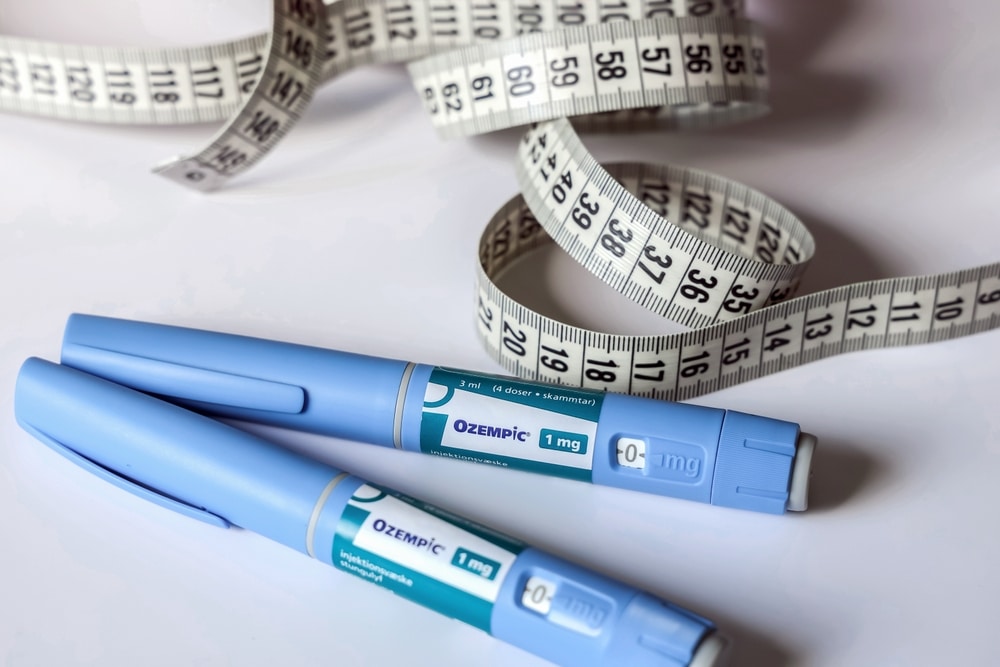
Key Takeaways
- Major body contour changes following weight loss occur, but loose skin and fat distribution can change. This is why it’s important to understand skin elasticity.
- Drugs like Ozempic might aid in preserving weight loss post-surgery through appetite control. Consistent side effect monitoring remains crucial.
- Ozempic Belly Surgery Options After Weight Loss – Combining Ozempic with surgical options can optimize weight loss and body contouring. Plans should be customized for each patient.
- Surgical contouring options, such as arm lifts, tummy tucks, and thigh lifts, require careful assessment and planning to achieve balanced results and minimize recovery time.
- It’s about timing your body contouring procedures after you’ve reached a stable weight and fully recovered from your initial weight loss.
- Non-surgical treatments and healthy lifestyle changes can help you support and maintain your surgical results for a holistic approach to body transformation.
Ozempic is a drug that certain people take post-weight loss surgery to maintain weight loss or control health issues. Doctors might recommend it if weight returns or blood sugar requires management.
There are a lot of choices, and each comes with its own potential risks and rewards. To choose wisely, they need to understand how Ozempic works and how it compares to other tools.
The following sections will discuss these factors and provide concrete alternatives.
The New Silhouette
A lot of times, large amounts of weight loss through surgery or semaglutide alter the shape of the body. When people shed 7 to 14 kgs or more in a matter of months, the initial transformations take place both in the face and the body silhouette. This remodeling can begin as early as two months following weight loss. Body fat recedes from usual places such as the belly, legs, arms, and even the face, causing muscle and bone structure to become more prominent. For a lot of people, this results in a more streamlined, defined appearance, but there are consequences to consider.
Skin elasticity has a major role in the look of the new silhouette. Skin is stretchy, but it can’t always keep up with rapid or substantial weight loss. If you’re over 40, the skin’s capacity to snap back declines even further, primarily due to the fact that the body loses collagen and elasticity as you age. That typically translates into more loose skin around the stomach, arms, and legs.
On the face, there are sunken cheeks, hollow temples, and sagging around the jaw. These shifts can intensify lines surrounding the mouth and nose, emphasizing the contours of facial bones. Younger individuals or those who lose modest amounts of weight may experience less loose skin, but anyone with a history of weight fluctuations is more susceptible to these consequences.
Physical changes are not merely skin-deep. The relocation of fat stores can result in a combination of both victories and new challenges. These individuals feel lighter and love their new look, but they may be faced with sagging skin or uneven fat distribution. These transformations impact everyday life, from how people find clothes to fit to how comfortable they feel in motion and in exercise.
Others resort to cosmetic measures—facelifts or breast or body lifts—to combat loose skin or refine their contour. Both of these alternatives have their own dangers and expenses, so they require some consideration.
The mental effect can be as powerful as the physical. For most, a new silhouette instills a fresh ‘you’ and more confidence. When a body changes, it tends to alter your self-image and your image to the world. This new silhouette can lift spirits and motivate one to maintain their healthy course.
It’s natural to be torn—proud that you lost the weight and worried about how your body looks now.
Ozempic After Surgery
Ozempic, a GLP-1 receptor agonist, is used globally to help control blood sugar in type 2 diabetes. It’s prescribed for weight management. After weight loss surgery, some individuals might still require additional support to maintain weight loss or achieve their targets.
Ozempic slows stomach emptying, curbs hunger and promotes fat loss, which can be particularly useful after bariatric surgery. Just because you had surgery and altered your digestive system doesn’t change the fact that medications such as Ozempic treat long-term weight maintenance and the metabolic shifts that occur after surgery.
1. The Synergy
Ozempic after surgery. Combined, they are more effective than either approach alone. The drug helps reduce appetite, which encourages the new eating habits needed after surgery. Others hit a weight stall post-surgery, and Ozempic can be the push they need to get beyond it.
For instance, Ozempic after gastric bypass can still help patients shed an extra 10 to 15 kg beyond surgical outcomes. A personalized plan is essential. Physicians will typically fine-tune medication type and dose based on the patient’s history, surgery type, and other health factors.
This strategy might consist of both medication and nutrition assistance to maximize recovery and long-term outcomes. Yet another area where synergy displays body contouring. Patients who pair surgery and Ozempic experience smoother body transformations with more resistance to hard-to-lose areas.
2. The Risks
Ozempic after surgery is dangerous. Typical side effects are nausea, constipation and the infamous ‘Ozempic face,’ a gaunt appearance caused by accelerated fat loss. Pancreatitis and gallbladder problems may occur rarely.
For certain women, there may be birth control interference. If you stop Ozempic too soon, quick weight regain will occur. This is especially true if lifestyle changes are not implemented. Certain individuals with a history of digestive or kidney issues may be at greater risk when taking these drugs.
Doctor supervision is still required. Routine follow-up visits can detect side effects in their earliest stages and allow your doctor to modify your treatment plan.
3. The Protocol
The initial dose is generally low, with incremental increases as tolerated. Posting about Ozempic after surgery. Lifestyle changes are important. If you eat more whole foods, fruits, vegetables, and quality protein and add exercise, your chances of maintaining the weight loss get even better!
Physicians advise routine visits. Lab tests and check-ins keep an eye on progress and ensure the plan is working.
4. The Outcome
While most patients experience consistent weight loss, a few enjoy a 20 to 30 percent reduction in baseline weight. Many people are experiencing improved blood sugars and increased energy. Long-term weight loss can result in increased self-esteem and body confidence.
Others report being able to play with their children or travel once more. Long-term success rates are higher for those who combined surgery with Ozempic. Others may need lifelong use to maintain the weight loss.
| Potential Benefits | Long-Term Effects | Possible Side Effects |
|---|---|---|
| Better weight loss | Lifelong use | Nausea, constipation, pancreatitis |
| Lower blood sugar | Weight regain if stopped | “Ozempic face”, gallbladder issues |
| Improved body image | Body contouring | Birth control interference |
Surgical Contouring
Surgical contouring tackles loose, sagging skin and persistent fat following significant weight loss. Several patients on medications such as Ozempic or weight loss surgery have gone from having dramatic body transformations, losing 20 to 45 or more kilograms. This can leave skin folds and areas that do not fit their new form.
Surgical contouring provides more direct methods to tighten, smooth, and reshape these areas. They should be done at least six months after weight loss has ceased because bodies need a chance to settle. Because everyone’s needs are different, surgeons design plans according to individual goals, health, and anatomy. Some patients opt to address multiple lesions simultaneously, whereas other individuals prefer a staged approach.
Both options have their own risks and recovery profiles, so it is crucial to have candid discussions with seasoned surgeons.
Upper Body
For the upper body, popular surgical choices are arm lifts and breast surgeries. Arm lifts excise loose skin from the upper arms, which often occurs after significant weight loss. Breast surgeries, such as breast lifts or augmentation, assist in addressing lost volume and shape.
Others opt for autologous fat transfer, in which fat is harvested and injected into the breasts, creating a natural appearance. These procedures are designed to help people feel confident in their appearance once again by bringing back a feeling of proportion and tautness. Arm lifts contour the back of the arms, and breast procedures can fix deflation or sagging.
Recovery for the upper body is different. Most people require one to two weeks away from work and cannot do heavy lifting for six weeks. Swelling and bruising are part of the course, but they get better.
- Ideal candidates for upper body contouring:
- Stable weight for a minimum of six months.
- In good physical and mental health.
- Non-smokers or willing to quit before surgery.
- Reasonable expectations regarding outcomes.
- Experience loose or sagging upper body skin post weight loss.
Midsection
Tummy tucks (abdominoplasty) and liposuction remain top picks for midsection sculpting. Tummy tucks eliminate excess skin and firm muscles, whereas liposuction focuses on resistant fat. Together, these surgeries contour a flatter, smoother abdominal area.
How well it works depends on your skin quality and how much tissue there is to remove. It is important to be at a stable weight prior to surgery. If you’re yo-yoing with your weight, results won’t be permanent. Recovery includes compression garments, incision care, and avoiding strenuous activity for a few weeks.
Scarring is inevitable and fades with time.
- Important aftercare for midsection surgeries:
- Wear compression garments as recommended.
- Maintain incisions clean and dry.
- Refrain from heavy lifting or strenuous activity for 4 to 6 weeks.
- Attend follow-up appointments.
- Be on the lookout for infection or complications.
Lower Body
Thigh lifts and buttock augmentation are favored lower body choices. Thigh lifts excise loose skin of the inner or outer thighs. Tock augmentation, with implants or fat transfer, can bring back the shape left behind with weight loss.
These procedures prioritize symmetry and an organic appearance. Pairing it with lower body procedures, like a lower body lift, can offer more balanced outcomes. It just means less recovery time overall and a more even contour.
That can translate into a more invasive surgery with longer healing times. Recovery can take two to three weeks off, with only light walking possible initially. Swelling and soreness are typical, and patients shouldn’t sit directly on the buttocks for a few weeks.
Timing Your Procedures
Timing your body contouring procedures after weight loss is crucial, both for safety and for optimal outcomes. A lot of individuals on Ozempic or who have had weight loss surgery want to address loose skin or sculpt their figure. Your body requires time to recover and adapt. Hastily plunging into other procedures too early can cause issues and outcomes that don’t endure.
The key is simply to get there and maintain a stable weight. Surgeons typically recommend waiting at least 6 to 12 months at the same weight before undergoing any type of cosmetic procedure. That’s because the skin and tissue need to settle. Your weight will continue to fluctuate, your skin will continue to stretch or shrink, and the surgical results may be temporary.
For instance, a person who dropped a large amount of weight rapidly on Ozempic should wait until their weight has stabilized for a few months. If the weight is still coming off, it’s better to wait.
Recovery time following weight loss surgery or beginning a medication like Ozempic matters. They generally recommend waiting at least six months after these procedures before even considering body contouring. This provides your body the time it needs to heal and will aid things such as nutrition and energy.
Everyone heals differently, so what applies to one individual may not be suitable for another. For instance, certain individuals might experience loose skin at an earlier point, while others can allow their remaining skin more time to conform.
Medication use is another huge component. Research indicates that patients who take specific weight loss drugs up to 10 days before an operation are at an increased risk of gastric complications during anesthesia, such as residual stomach contents. To reduce this risk, medications like Ozempic are typically discontinued 1 day prior to surgery for oral formulations and 1 week for injections.
Certain surgeons might require longer time off, depending on your well-being and surgery type. Old guidance required you to halt all these meds a week prior to surgery, but newer recommendations indicate that this isn’t necessary for every individual. Even so, the majority of surgeons concur with at least a brief hiatus.
Do not restart Ozempic until you are able to eat and drink without significant nausea or vomiting.
To coordinate more than one procedure, follow these steps:
- Reach a stable weight for at least 6–12 months.
- Wait at least six months after significant weight loss or surgery.
- Timing your Procedures: Stop weight loss medication as recommended prior to surgery, typically 1 day to 1 week.
- Make sure you are able to eat and drink before any medication is resumed.
- Schedule each procedure with enough recovery time in between.
- Be certain your care team monitors your condition and your convalescence every step of the way.
Beyond The Scalpel
Heavy weight loss from Ozempic, surgery, or both frequently results in loose skin, gaunt or hollow cheeks, and a body that looks or feels foreign. This shift is universal. One in eight Americans has experienced significant weight loss, motivating tens of thousands to seek solutions to handle these transformations. Not everybody desires or requires one more operation.
Non-surgical options now provide individuals with more avenues to sculpt their bodies and faces, and many opt for these due to reduced recovery time and lower risks. Non-surgical body contouring options continue to multiply. Fillers, for instance, plump out hollow cheeks and temples, correct facial symmetry and define jawlines. They’re speedily in-and-out affairs, with a short visit and 6 to 18 months’ worth of results, so maintenance will be required.
Fat grafting, an additional option, utilizes a patient’s own fat to repair facial deflation, re-volumize thin areas and contour the chin. It’s more durable and totally natural looking but requires talented hands. For skin tightening, Renuvion is a device that spends time under the skin contracting those collagen fibers and triggering new collagen production. This firms skin with no large incisions or scarring. These treatments assist with sagging skin, a major concern post-weight loss that can leave individuals feeling aged or exhausted.
Others use surgery and non-surgical treatments for best results. Take a deep plane facelift, for instance, which lifts and smooths sagging skin that can make one look more than a decade younger. To discreetly hide scars, surgeons schedule incisions in convenient cover points, such as around the hairline or beneath natural creases.
Non-surgical treatments, such as fillers or Renuvion, can then adjust the results by either adding volume or tightening small areas the surgery did not. This blend creates a more balanced, longer wearing appearance. Whichever route you take, lifestyle changes are what count for maintaining results. Eating healthy, staying active, and not smoking all assist skin healing and keep weight stable after surgery or treatments.
What you do on a daily basis can slow the skin’s aging, preserving the work of surgical and non-surgical work for longer.
| Option | Invasiveness | Downtime | Longevity | Key Benefits |
|---|---|---|---|---|
| Deep plane facelift | High | Weeks | 10+ years | Lifts, smooths, long-lasting |
| Fat grafting | Moderate | Days | Years | Natural fill, lasts longer |
| Fillers | Low | Hours | 6–18 months | Fast, no cuts, easy upkeep |
| Renuvion | Low | Days | 1–2 years | Tightens skin, no large scars |
A Personal Perspective
While the people who undergo weight loss surgery and take Ozempic come from vastly different backgrounds, a few common threads emerge in their experiences. For some, obesity is a personal albatross; for others, it’s a health concern that requires real assistance. For Maria, who dropped more than 45 kilos post-surgery, Ozempic helped her hit a weight loss plateau.
She says the most difficult step wasn’t losing the weight; it was seeing herself in the mirror and adjusting to a smaller version of herself. Jamal, on the other hand, used Ozempic post-surgery to lose the final 7 kilos. He sensed the transformation was less about digits and more about feeling comfortable in himself. It’s evident that each individual’s journey is unique. Some use the drug to shed massive amounts, while others want to lose just a couple kilos, and they’re both okay.
Feelings are high on the weight loss trail. Many people discuss the highs and lows. It’s thrilling initially—clothes that hang nicer, a body that aches less. There’s despair, like when the weight loss plateaus or when folks see loose skin that neither surgery nor medicine alone can repair.
Some are proud, while others are concerned they won’t sustain it. For others, the process transforms their perception of self—mind and body. They may be more sure, but the old thoughts creep in at times. Some even discontinue Ozempic due to side effects or simply not wanting to be on medication long-term, which can introduce fresh concerns about maintaining the weight loss.
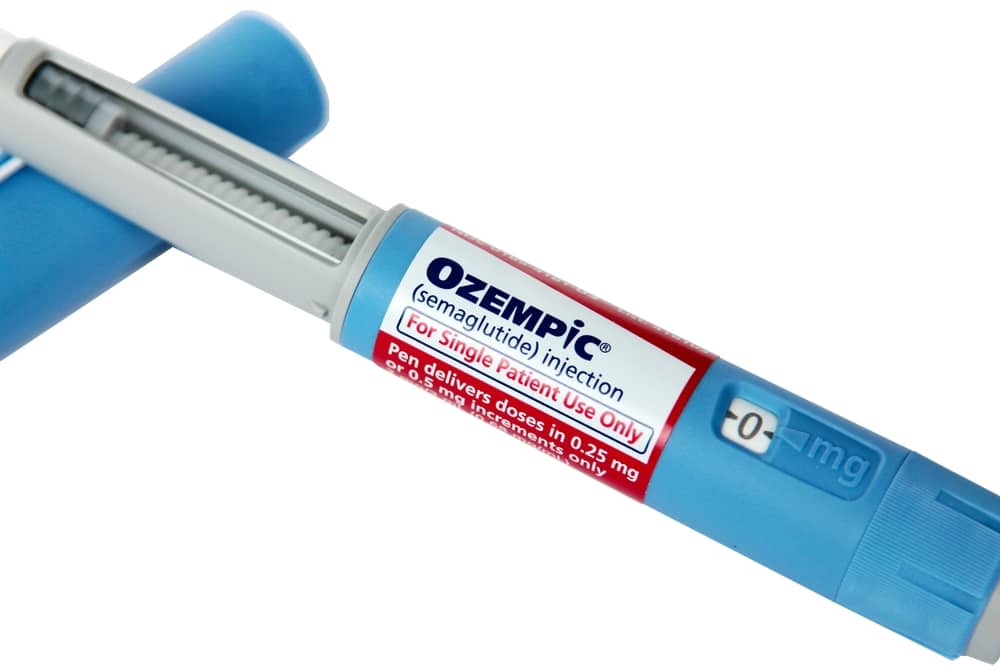
The importance of support systems and community cannot be overstated. Almost every successful weight loss story references friends, family, or support groups as crucial to their journey. It’s simpler to feed new habits when someone’s around to commiserate or swap tips.
In certain countries, clinics provide group sessions, in-person and online, where individuals can exchange tips and discuss challenges. This camaraderie is what can help people survive hard days and have hard-won victories. It’s not simply medical assistance; emotional and social backing are equally important.
Long-term, it’s not just about what weight loss and contouring do to the scale. For others, big changes like losing 45 kilos or more alter their identity across all aspects of life. Some experience a surge of fresh confidence and find themselves stepping into positions at work or in their community they never imagined possible.
Others continue to struggle with the transformations, occasionally longing for their former self or questioning how to maintain the new habits. The ride frequently defines their identity for years, not months.
Conclusion
Weight loss drugs like Ozempic can alter the trajectory post-surgery. Saggy skin, new curves and new necessities enter the picture. Surgery can help smooth out lines or repair what drugs alone leave in their wake. Recovery is a journey. Listen to your body and talk with the care team for the best results. Every step of the way, from drugs to surgery or not, has its highs and lows. Others discover additional confidence. Others just require more time to adapt. We all get here differently. Talk to your doctor or a support group for tips that suit your lifestyle. For more inspiration or authentic advice, browse new studies or hear from others who share the journey.
Frequently Asked Questions
What changes can I expect in my body after using Ozempic following weight loss surgery?
Post-Ozempic, you could experience additional weight loss and decreased appetite. With significant weight loss, some may have loose or excess skin. We can help you get your silhouette in shape with surgical or non-surgical contouring options.
Is Ozempic safe to use after weight loss surgery?
Ozempic is typically safe after weight loss surgery. You should discuss with your doctor. They can evaluate your health, medication suitability, and personalized requirements to guarantee optimal results for you.
What are common surgical options for body contouring after Ozempic and weight loss surgery?
Popular choices are abdominoplasty (tummy tuck), body lift, and liposuction. These surgeries can eliminate flabby skin and contour zones impacted by extreme weight loss, assisting you in regaining a more organic outline.
How long should I wait before considering body contouring surgery after Ozempic and weight loss surgery?
Generally, most experts advise waiting until your weight has plateaued for at least six months. This gives your body time to acclimate and helps guarantee optimal surgical outcomes. Consult your doctor for individual advice.
Are there non-surgical options for improving my body shape after Ozempic and weight loss surgery?
Yes, non-surgical alternatives encompass skin tightening treatments such as radiofrequency or ultrasound therapy. These assist with enhancing skin tone and tightness with little downtime. The effects are less significant than surgery.
Will Ozempic help prevent loose skin after weight loss surgery?
Ozempic aids weight loss but can’t stop loose skin. The amount of loose skin varies by age, genetics, and the amount of weight lost. Surgical or non-surgical treatment may be necessary for significant skin tightening.
Can I combine Ozempic with body contouring procedures for better results?
Yes, oozing in Ozempic with your contouring could maximize your results. Close collaboration with your healthcare team is required to keep you safe and to keep both treatments effective.
 /
/ 