

Morpheus8: Non-Surgical Skin Tightening After Weight Loss

Key Takeaways
- Loose skin is an issue post-weight loss, as collagen and elastin, the skin’s natural firming agents, decrease with age and quick weight fluctuations.
- Non-surgical skin tightening such as radiofrequency, ultrasound, microneedling, and lasers presents effective alternatives with less downtime and complications than surgery.
- There are a lot of factors that impact skin elasticity and the results of treatment such as how quickly the weight was lost, hydration, nutrition, genetics, and lifestyle.
- Getting the most out of non-surgical treatments typically involves several sessions and dedicated post-care after each.
- It’s important to consult with a reputable dermatologist who can help you determine the best treatment plan and provide realistic expectations for your specific skin.
- By continuing healthy habits — hydration, sun protection, and balanced skincare routines — you can help maximize skin tightening treatment results.
Non-surgical skin tightening after weight loss is the act of using safe, non-invasive treatments to tighten sagging skin. Such choices are focused on the regions that commonly display sagging – the belly, arms, and thighs.
Many of us opt for them since they require minimal downtime and are less painful than surgery. Typical treatments utilize radiofrequency, ultrasound, or laser energy.
To aid you in comprehending how they operate and what you can expect, this post explores the fundamentals and important information.
Understanding Loose Skin
Loose skin is the bane of many post-weight-loss warriors. This occurs when the skin’s elasticity is stretched too far and cannot return to its former shape. As we age or lose weight quickly, our skin’s support system, primarily collagen and elastin, degenerates. This can result in lax skin that no longer conforms to the body’s new contours.
The emotional toll is heavy; it can take a bruising on your self-esteem and body image. Getting to the bottom of what causes skin laxity is an important first step in selecting the appropriate skin tightening solution.
Collagen and Elastin
Collagen is the magic protein that makes skin firm. Collagen production starts to slow with age, which can cause the skin to become thinner and less able to retain its shape. When you drop pounds, particularly quickly, there might not be enough collagen left in there to hold the skin nice and tight.
Elastin allows skin to stretch and spring back, like a rubber band. Elastin breaks down over time or with rapid weight loss, and the skin no longer bounces back as easily. That’s why loose skin appears in the stomach, arms, or thighs after losing a lot of kilos.
The loss of collagen and elastin is why people experience loose, sagging, or wrinkled skin after weight loss. Most non-surgical treatments aim to stimulate collagen and elastin production to restore the skin’s tightness.
Influencing Factors
| Factor | Effect on Skin Laxity |
|---|---|
| Age | Less collagen, more sagging |
| Genetics | Varies skin’s ability to retract |
| Amount lost | More loss, more loose skin |
| Rate of loss | Faster loss, less adaptation |
| Hydration | Better hydration, more firmness |
| Nutrition | Key nutrients help elasticity |
| Smoking | Weakens skin, slows repair |
| Sun exposure | Damages collagen, quickens aging |
Quick weight loss usually results in more loose skin because the skin hasn’t had a chance to adjust. Slower loss gives you better results, letting your skin contract more smoothly. Hydration is equally important. Skin cells are largely water and drinking a minimum of 2 liters daily aids in keeping skin supple.
Nutrition plays a role as well. Vitamin and protein-rich diets help keep skin healthy. Lifestyle factors such as smoking or excessive sun exposure can contribute to skin damage and accelerate sagging. Measures such as using sunscreen, SPF 30 or greater, and abstaining from smoking can help preserve skin quality.
The Skin’s Limit
Everyone’s skin elasticity is unique, influenced by genetics and age. Some people’s skin snaps back like crazy after they lose weight, while others still have more slack skin left.
With significant or rapid weight loss, the skin is stretched beyond its elasticity. Due to this, it can’t tighten in its entirety, resulting in folds or loose patches — particularly after shedding 25 or more kilograms. Moderate skin laxity can respond well to topical treatments or nonsurgical options, whereas severe cases may require more intensive care.
Setting realistic expectations is key. Skin tightening treatments are helpful, but won’t be perfect for everyone. Knowing the kind of loose skin and severity will inform what treatments are logical.
Non-Surgical Solutions
Non-surgical skin tightening methods offer patients options to enhance loose skin following weight loss without surgery. These treatments utilize energy-based or needling modalities to stimulate the body to produce more collagen and elastin, which can, over time, firm and lift the skin.
Downtime is typically minimal, as most patients return to regular activity immediately after their session. More individuals are opting for non-invasive alternatives because they are less risky, have swift appointments lasting 30 to 90 minutes, and provide gradual results. Selecting the appropriate option is best done with a trusted dermatologist, who can steer you to what suits your needs and skin type.
- Radiofrequency uses heat to stimulate collagen, often for the abdomen, thighs, and arms.
- Ultrasound targets deep skin layers. It is good for the neck and jawline and has long-lasting effects.
- Microneedling: Tiny needles create micro-injuries, boost healing and improve texture.
- Combined therapies mix methods for multiple concerns, tailored to the individual.
- Laser treatments focus on specific skin layers, tighten skin, and improve tone and texture.
1. Radiofrequency
RF transmits energy into the skin, heating the beneath layers. This heat accelerates your body’s natural response to generate new collagen. Collagen firms skin and makes it look smoother and tighter.
RF is typically applied to the stomach, legs, and arms and occasionally the face. This technique doesn’t incise or poke holes into the skin, so it’s ideal for patients who would prefer to sidestep surgery.
RF treatments have mild side effects such as redness or swelling, which typically resolve within a day. Others may notice an immediate effect, but the true lift and firmness accumulates over months as the skin synthesizes new collagen.
2. Ultrasound
Ultrasound skin tightening uses focused sound waves to penetrate deep beneath the skin. These waves heat the tissue and stimulate your body to produce more collagen and elastin, resulting in tighter, more elastic skin.
Ultrasound is even gentle enough for sensitive areas such as the neck and jawline. Results can last for months, with skin gradually becoming tighter. Side effects can encompass minor swelling or tenderness, but these typically subside shortly after the treatment.
3. Microneedling
Microneedling involves rolling or stamping very fine needles over the face to induce small injuries. This causes the skin to repair itself and produce additional collagen. It can assist with loose skin, a rough texture, and minor scars.
A few clinics infuse the treatment with serums or growth factors for enhanced results. There’s minimal downtime, just some slight redness or peeling for a few days. This makes it a solid choice for those seeking rapid recovery.
4. Combined Therapies
A few skin clinics combine treatments such as microneedling with radiofrequency or ultrasound. Non-surgical solutions can be one-stop shopping, addressing more than one issue, such as loose skin and uneven tone.
For instance, RF with microneedling can enhance firmness and texture. A solid treatment plan will be tailored to your skin’s needs and goals. A dermatologist can assist you in selecting and combining techniques for maximum results.
5. Laser Treatments
Laser skin tightening uses concentrated light to heat the skin’s deeper layers. This stimulates the body to produce more collagen, resulting in firmer, smoother skin. Lasers can enhance tone and diminish lines, so they’re great for the face, neck, and body.
Not all lasers are suitable for every skin type, so an expert evaluation is necessary. Side effects include redness or swelling that go away in a couple of days.
The Ideal Candidate
Non-surgical skin tightening post weight loss is best for individuals who desire subtle yet noticeable transformations without surgery or extended downtime. These treatments utilize mild heat or energy to assist the skin in appearing tighter as time goes on. They’re great for lots of folks, but some fit the mold better than others.
The perfect patient has mild to moderate skin laxity, not severe. Anyone who lost a moderate amount of weight will have some loose skin, particularly on the tummy, arms, thighs, or even around the knees and face. Procedures such as radiofrequency, ultrasound, and laser are most effective on skin that maintains some natural elasticity and isn’t overly lax. For instance, an individual with some extra skin under their arms or a little looseness around their jawline might fare the best.
Candidates that prefer changes that are slow and steady and can wait for results pair nicely with these options. Unlike surgery, where the changes are immediate, non-surgical treatments generally require a series of sessions. Enhancements arrive over weeks or months. Those who are patient and not seeking a large, rapid shift are most likely to be satisfied.
Maintaining a stable weight is crucial. Those whose weight remains fairly consistent, without major spikes or dips, experience superior and more durable results. Big weight swings can stretch the skin once again and reverse treatment results. Those who eat balanced meals, maintain hydration, and stay active tend to experience the most benefits.
Realistic expectations are important. Non-surgical skin tightening can assist skin to appear firmer, but it cannot compete with surgery. Candidates who get this and desire a more nuanced change, like a smoother appearance or a bit of lift, tend to be happier. For instance, a person seeking a big change after significant weight loss may not achieve their desired result, but those seeking a modest lift or smoother skin frequently do.
It certainly doesn’t hurt if they have a solid understanding of what the treatment can and can’t do. Preparing for it, either by reading up on the process or talking with people who had it before, helps set the right mindset. Anyone who understands the fundamentals, what occurs during the appointment, how long it lasts, and what to anticipate afterwards, will be more equipped.
A rendezvous with a talented dermatologist is imperative. A caring physician will examine the skin, discuss health history, and assist you in selecting the best treatment for your individual needs. The doctor’s advice matters because not every skin or health history is right for each approach. A thoughtful review can identify any potential dangers and ensure the strategy aligns with the individual’s desires and requirements.
Treatment Realities
Non-surgical skin tightening after weight loss is a popular choice among individuals seeking a more taut appearance without the need for surgery. Treatments involve energy devices such as ultrasound or radiofrequency to stimulate collagen and lift mild to moderate loose skin.
It’s not instant and is ideal for people with mild to moderate skin laxity, not severe sagging. Treatment realities include that sessions are frequently required for best results and results can last up to a year with maintenance.
- Few sessions, depending on your skin condition, are best for effective results.
- Treatments work for face, neck, abdomen, arms, and thighs.
- Mild pain can occur and is generally short-lived and controllable.
- Side effects such as redness, swelling, or tenderness are possible, but mild.
- Diligent post-treatment care is the secret to optimal and enduring outcomes.
- Other treatments, like Ultherapy, employ ultrasound and have robust safety profiles.
- Treatment realities cost starts at $750 and goes up to $4,000, depending on region and clinic.
- Results are slow and are most evident three to six months post-sessions.
The Process
Consultation first. Your provider will examine your skin, inquire about objectives and clarify what the treatment can and cannot accomplish. They will work up a treatment plan that addresses your needs and the technology they select.
The session itself typically begins with sterilizing the skin and administering a topical anesthetic to reduce pain. Certain treatments might incorporate gel or cooling pads.
The device is glided over the treatment area, warming lower levels to stimulate collagen regeneration. Sessions last 30 to 90 minutes depending on the area treated. Then there are home care directions like sun avoidance or soothing skin lotions.
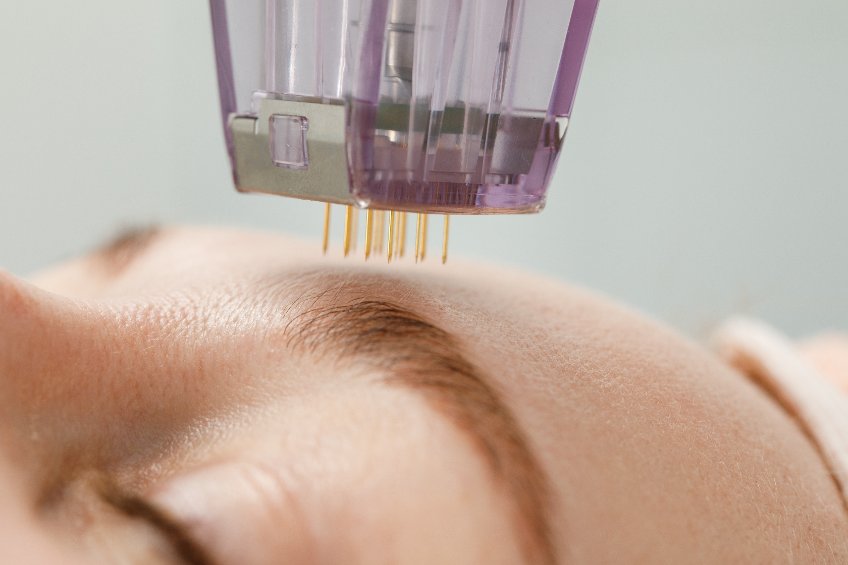
Patient comfort is a big component. Good clinics use numbing creams or cooling to keep the session as painless as possible. Follow-up visits monitor skin changes, record results, and determine if additional sessions are necessary.
The Timeline
Others notice a subtle lift or tightening immediately following treatment. More frequently, the major transformations arrive gradually as collagen accumulates, typically within three to six months.
The timeline may vary depending on skin type, age, skin laxity, and body area treated. Patience is a virtue. Collagen grows slowly and optimal results need time. Maintenance sessions might be required every year to keep skin firm.
The Risks
Non-surgical skin tightening is generally safe, but not without risks. Typical side effects include redness, swelling, or mild tenderness that can persist for a few days to weeks. Rarely, burns or scarring can occur, but these are uncommon with experienced practitioners.
The best way to reduce risk is to select a qualified, experienced practitioner and adhere to all post-care instructions. This aids skin healing and keeps side effects down.
Although severe issues are uncommon, knowing every risk – from minor to rare but serious – is part of an informed decision.
Surgical Comparison
With regard to skin tightening post weight loss, individuals frequently compare non-surgical and surgical alternatives. Both surgical comparisons have distinct mechanisms of action, longevity, and recovery profiles.
The table below provides a convenient, point-by-point, side-by-side perspective.
| Feature | Non-Surgical Options | Surgical Options |
|---|---|---|
| Method | Devices using heat, radio waves | Physical removal and tightening |
| Results | Gradual, mild to moderate | Immediate, more dramatic |
| Duration of Results | 6-24 months | Up to 10 years |
| Recovery Time | 0-7 days | 2-6 weeks |
| Procedure Time | 30-90 minutes | 2-4 hours |
| Risks | Mild redness, swelling | Bleeding, infection, scarring |
| Suitability | Mild to moderate skin laxity | Severe or excess skin |
| Cost | Lower, usually per session | Higher, one-time fee |
Surgical options like tummy tucks or body lifts are best suited for patients who have lost a significant amount of weight and are left with loose or hanging skin that cannot be corrected non-surgically. For instance, there are cases where after dropping over 20 kilos, some individuals may have worn their skin out beyond its ability to bounce back.
In these instances, surgery can excise the excess skin and pull what’s left tight. This provides a more dramatic transformation and a smoother contour. Surgeries like this tend to last longer, with results enduring for up to 10 years. The differences are immediate, yet swelling and bruising often conceal results for a couple of weeks. Full results appear approximately three to six months post-surgery.
The cost is a recovery that takes longer. Surgery is no easy solution. The procedure itself is 2 to 4 hours and the majority require 2 to 6 weeks of recovery before returning to normal work or exercise. Others require as much as 8 weeks, depending on the size of the area treated.
Though swelling, bruising, and soreness are to be expected during this period, there is a possibility of more serious complications such as infection, blood clots, or scarring. These dangers render surgery less appealing to those seeking rapid results with minimal downtime.
Deciding between surgical and non-surgical skin tightening begins with your goals, the amount of loose skin, and overall health. Individuals with mild or early skin laxity might achieve their desired results from non-surgical treatments.
For those with severe sagging skin, usually after more significant weight loss, surgery may be the only true change. In either situation, it’s crucial to consult with an experienced physician who can tailor the optimal approach to the individual’s needs and skin type.
Maximizing Your Results
Non-surgical skin tightening after weight loss is most effective when paired with the right habits and maintenance. These treatments, such as radiofrequency, ultrasound, or microneedling, assist in remodeling collagen and elastic fibers. Results last for two years or more for some, and your skin maintenance is just as important as the treatment.
- Apply a full skincare regimen daily. Give your skin a drink with mild cleansers and moisturizers. Skin that remains hydrated won’t sag or wrinkle fine lines. Use sunscreen with at least 30 SPF to protect against UV damage, as sun exposure depletes collagen at an accelerated pace. Skincare products with antioxidants or peptides assist with healing and firming post-procedures.
- At least try to combine treatments! Some clinics offer combo plans that employ more than one technology. For instance, ultrasound can be combined with microneedling or injectables to address both deep and surface layers. This allows physicians to address multiple issues simultaneously, such as sagging skin, patchy tone, or sparse areas. It’s frequently the best option for users with hybrid objectives.
- Begin early with prevention. If you are in your 30s, non-surgical treatments can be used as a preventive measure to slow skin aging, not only to correct it. Microneedling and medical-grade serums work beautifully on younger patients, providing a good lift with minimal downtime. Prevention usually means less treatment down the road.
- Stick with workouts. Exercise enhances blood circulation, delivering additional oxygen and nutrients to the skin. Over time, this aids the body in building new collagen and keeps skin appearing taut. Weight training, yoga, or brisk walking all promote skin health and complement tightening procedures.
- Consult your dermatologist frequently. Skin evolves, so your plan should, too. Continued consultations ensure that you choose the best non-invasive technique for your specific skin type and laxity level. If you observe a shift in results, your doctor can recommend additional therapies or alter your routine.
Technically, the vast majority of non-invasive tightening options are safe for various skin types. Ultrasound, for instance, has been used for decades and has a great safety record. These treatments work best if selected for the proper skin texture and laxity. For some patients, the changes are more long lasting, but others require touch-ups sooner.
Conclusion
Non-surgical skin tightening provides actual assistance to loose skin after weight loss. They experience less skin pulling and more comfort in their life. Options such as radio waves and ultrasound provide outcomes without incisions or extended downtime. Results require nurture and time. While not everyone notices the same degree of change, many notice an improvement in their skin. Some might want to combine treatments for optimal results. To choose your direction, consult your trusted skin care professional. Discover what suits your needs, your skin, and your aspirations. For additional facts and candid advice, contact a professional, consult reputable sources, or join a community. Begin with solid content and actionable advice.
Frequently Asked Questions
What causes loose skin after weight loss?
Loose skin is what happens when your skin loses its elasticity and can’t shrink back after weight loss. This occurs because of changes in collagen and elastin fibers of the skin.
Are non-surgical skin tightening treatments effective?
Non-surgical skin tightening after weight loss is absolutely possible with the new generation of RF, ultrasound, and laser treatments. Results will differ according to your skin, age, and the amount of loose skin.
Who is a good candidate for non-surgical skin tightening?
Best candidates have mild to moderate laxity and are otherwise healthy. Non-surgical options are best for those who have realistic expectations and a generally stable weight.
How long do results from non-surgical treatments last?
Results may last months or even a few years. Maintenance sessions may be necessary to extend the results depending on the treatment applied and personal factors.
Is there any downtime after non-surgical skin tightening?
Almost all non-surgical treatments have minimal to no downtime. Patients can generally resume normal activity immediately following the treatment.
How do non-surgical treatments compare to surgery?
Non-surgical options are less invasive, safer, and have shorter recovery times. Surgery offers much more significant and permanent results when it comes to serious loose skin.
Can I combine non-surgical treatments with other methods?
Yes, non-surgical treatments paired with healthy habits like hydration and exercise can go a long way in optimizing and preserving results. As always, see a professional for individualized guidance.
 /
/ 