

Midsection Liposuction: Sculpting Your Entire Core — Procedure, Prep & Recovery
Key Takeaways
- Liposuction can sculpt the entire midsection, treating the abdomen, flanks, waist, and lower back in one session. A customized surgical plan enhances balance and symmetry for every figure.
- High-tech options such as ultrasound or laser assistance, tumescent fluid, and thin cannulas decrease trauma, accelerate recovery, and increase smoothness compared to traditional techniques.
- Perfect candidates are at a stable weight with localized subcutaneous fat and skin with good elasticity. Those with significant health problems, poor elasticity, or unrealistic expectations may need alternative plans.
- Prepare for surgery by getting medical clearance, disclosing any medications, stopping smoking, and setting up your home for recovery with compression garments and assistance for the initial days after treatment.
- Anticipate progressive enhancement over weeks to months as swelling subsides. Liposuction shapes but might necessitate further treatment for sagging skin and demands weight constancy to preserve effects.
- Follow-up care, healthy lifestyle habits, and realistic goals are actionable steps to protect outcomes. Attend postoperative visits, wear compression as directed, maintain a stable weight, and adopt regular exercise and balanced nutrition.
Liposuction for entire midsection sculpting is a surgical procedure that removes fat from the abdomen, flanks, and lower back to improve body contours. It marries liposuction with full midsection sculpting, combining focused fat extraction and contouring to produce seamless lines and a more symmetrical waist.
Candidates usually have stable weight and good skin tone. Recovery depends on technique and amount of work, with the majority of patients returning to light activity within one to two weeks. More on techniques and results is below.
Procedure Explained
Liposuction of the entire midsection sculpts fat from the abdomen, flanks, lower back and surrounding areas in a strategic design to form a torso in aesthetic balance. Exilis ELITE’s unique technique treats the upper and lower abdomen, waist, love handles and posterior flanks so contours flow around the body.
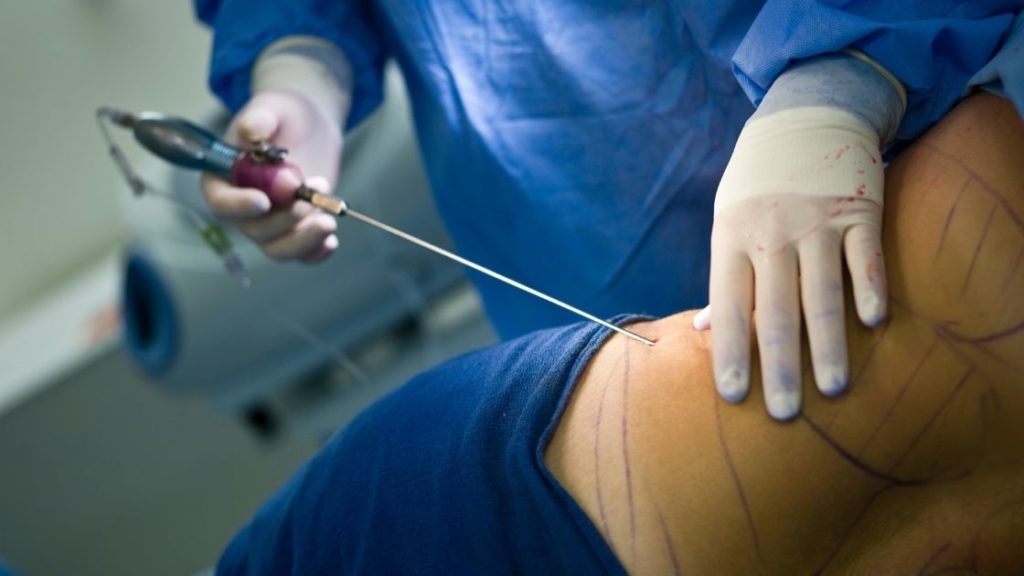
A customized surgical plan outlines fat deposits, skin quality and natural creases prior to making the incision. Preoperative marking circumscribes treatment and helps contain visible scars by positioning entry points in natural folds or underwear lines.
1. Anatomical Zones
Major spots of treatment are upper and lower abdomen, waist and love handles, flanks and bra rolls. A surgeon does each zone individually and schedules circumferential liposuction when necessary to prevent a flat front with untreated side or back fullness.
Pinpointing trouble spots can address minor dents or bulges, while full torso contouring redefines the midsection for balance and harmony. Understanding where abdominal fascia, natural skin creases and muscle borders lie allows us to situate small incisions where scars camouflage and healing aligns with tension lines.
2. Advanced Techniques
While traditional suction-assisted lipectomy is still prevalent, ultrasound-assisted and laser-assisted systems provide additional accuracy for fibrous zones or striated fat. The tumescent technique involves injecting a local anesthetic with a solution to reduce bleeding and facilitate the removal of fat.
Small-volume liposuction involves removing up to approximately 1,000 mL in total with local anesthesia. Thin cannulas cause less tissue trauma, create smoother contours, and frequently result in less bruising. These techniques can reduce downtime and increase comfort while reducing bleeding risks.
| Technique | How it works | Typical benefit |
|---|---|---|
| Suction-assisted lipectomy | Mechanical suction via cannula | Reliable, widely used |
| Tumescent liposuction | Fluid+anesthetic infiltration | Less bleeding, local option |
| Ultrasound-assisted | Energy loosens deep fat | Better on fibrous tissue |
| Laser-assisted | Heat melts fat, tightens skin | Mild skin tightening |
3. Customization
Surgeons personalize it according to fat distribution, skin elasticity, and physique and vary incision locations to conceal scars. Other times, plans integrate lipo with an abdominoplasty or mini tummy tuck when good old-fashioned excess skin or lax muscles are present.
Incision choices vary: small hidden cuts around the navel, lower abdomen crease, or posterior waist. Custom plans decide volume limits and whether to stage procedures to enhance safety and results.
4. Expected Outcomes
A more delineated waist to patients once swelling subsides. Final contour can emerge over months. Liposuction eliminates fat cells for good in treated areas but doesn’t consistently remove significant quantities of loose skin.
A compression garment is needed for weeks to aid contouring and healing. Most can return to desk work in days, with more intense activity later.
5. Potential Risks
Complications include seroma, hematoma, infection, contour irregularity, numbness, and rare fat embolism. Correct technique, volume restrictions, and aftercare minimize those hazards.
Adhere strictly to safety measures and seek immediate care if you experience odd symptoms.
Ideal Candidacy
You’re a candidate for midsection liposuction if you are an adult suffering from localized, stubborn fat deposits that resist your best efforts with diet and exercise. Ideal candidates are generally within 4 to 9 kg of their ideal weight, and several surgeons prefer patients within approximately 14 kg of their weight target who have maintained a stable weight for at least 6 months.
Good skin quality, stable health, and realistic goals count as much as weight. Individuals with significant medical problems, acute infections, or anticipated dramatic weight loss are typically not candidates.
Skin Elasticity
Having good skin elasticity allows the skin to retract and conform once the fat is removed and create a smooth, firm contour, not loose folds. Younger patients in their 20s and 30s usually demonstrate terrific recoil and may require only liposuction to achieve the desired contour.
Older patients, even into their 60s or 70s, can still have good results if genetics and prior weight history have maintained skin quality. Bad elasticity increases your likelihood of post-op sagging and can result in coupled procedures, like skin excision or a tummy tuck, to get that tight stomach.
In consultation, your surgeon will pinch and feel skin thickness, observe stretch marks, and talk about how that profile predicts results.
Fat Distribution
Liposuction focuses on subcutaneous fat, which is the fat that resides immediately underneath the skin. This is the kind that tends to collect in pockets around the waistline, flanks, and lower abdomen.
Deep visceral fat, which coats organs inside the abdomen, is not removable by liposuction. It is only reduced by weight loss and health modifications. The surgeon measures and images the area to map fat thickness and location.
Then, the surgeon plans cannula access and volume to prevent contour irregularities. Localized deposits are the most responsive, while diffuse, evenly distributed fat or extremely thick layers might require staged treatments or combination approaches.
Health Status
Patients should be in good general health, without active infections and have controlled chronic diseases. Reveal all medications such as blood thinners, aspirin, and NSAIDs, as well as supplements that impact bleeding or healing.
Smoking adds risks and impairs healing, so there is a strong need to quit before and after surgery. Important health qualifications are outlined below.
| Requirement | Reason |
|---|---|
| Stable weight for ≥6 months | Predictable results and lower complication risk |
| Within 4–14 kg of goal weight | Best contouring outcomes |
| No active infection | Reduce surgical risk |
| Controlled chronic disease | Safer anesthesia and recovery |
| Non-smoker or quit | Better healing and fewer complications |
Realistic Goals
Liposuction sculpts and refines shape, not supplement weight loss or fitness. Anticipate better contour, less bulge, and a more defined waist, not complete erasure of stretch marks or cellulite.
Patients who commit to diet and exercise hold results longer. Achievable aesthetic goals to discuss:
- Reduce love handles and lower abdomen pockets
- Improve waist definition and silhouette
- Correct asymmetry between sides
- Remove small, localized deposits after pregnancy
Surgical Preparation
Preparing for liposuction of the entire midsection begins with clear scheduling and a plan for pre-operative steps. Expect a series of appointments in the two to four weeks before surgery: initial consult, surgical planning visit, anesthesia assessment, and final pre-op check.
Routine labs commonly include complete blood count, metabolic panel, coagulation studies, and a pregnancy test if applicable. Cardiac evaluation, such as an ECG or a cardiology consult, may be required when risk factors exist or for patients over certain ages.
These tests help set safe limits on fluid removal and guide anesthesia choice.
Medical Evaluation
A full physical and medical history is necessary for the plastic surgeon to identify any risks and customize her approach. Standard work-up includes blood work, cardiac evaluation when indicated, and a formal anesthesia evaluation to determine local, regional, or general anesthesia.
Screening for chronic conditions like diabetes, hypertension, clotting disorders, and sleep apnea is important. These conditions impact incision placement, estimated operative time, which can range from under one hour to over three hours depending on areas treated, and overnight observation if large volumes of fluid or fat are removed.
Lifestyle Adjustments
They should discontinue certain medications, in particular blood thinners and NSAIDs, a minimum of one week prior to surgery in order to reduce the risk of bleeding. You’re advised to quit smoking at least two weeks before surgery, as it can cause wound and anesthesia complications.
Eat well and hydrate leading up to the procedure – do not let yourself become dehydrated. Stop intense exercise a week or more prior to surgery, and intend to take it easy during recovery. Easy stress‑busting activities, like quick walks, breathing exercises, or gentle stretching, assist with pre-surgical sleep and immune function.
Home Setup
Prepare a recovery zone within arm’s length to the essentials with no bending or reaching. Pull together some comforts, such as comfortable seating, extra pillows to prop up the torso, and a flat surface for medications and drinks.
This really aids the initial 48 to 72 hours. Stock compression garments, wound care supplies, prescribed pain medications, and any antibiotics. Have someone take you home and stay that first 24 hours, as you usually need assistance with showers, dressing, and light meals, especially if you had general anesthesia or larger areas worked on.
Patients usually spend a few hours in the clinic post-operation while staff monitor vitals and may have to stay overnight if there are large fluid shifts.
Essential recovery items:
- Compression garments sized per surgeon’s instructions
- Pain relief and prescribed meds
- Sterile gauze, tape, and antiseptic wipes
- Reusable water bottle and protein‑rich snacks
- Phone, charger, and easy‑reach remote
Recovery Journey
Following liposuction of the entire midsection, recovery unfolds in clear phases: immediate aftercare, gradual healing, and a staged return to normal activities. Knowing what to expect in each phase aids in setting realistic timelines, alleviates stress, and promotes healthier results.
Make sure you schedule regular follow-up visits with your surgical team during your recovery journey.
Immediate Aftercare
Wear compression garments and wraps day and night as instructed to minimize swelling and help the new contours. You will be most tender and swollen the first week. Soreness tends to peak around day two and then gradually diminishes.
Have a care person or team to assist with household duties for at least the first three days post-op and beyond if you have young children or a multi-level home.
Keep a close eye on your incision sites for infection, unusual bleeding, or too much fluid. Stay drains are likely temporary. Follow drain care instructions and monitor output.
Restrict activity to light, easy walks around the house during this time to promote circulation. Steer clear of bending, heavy lifting, or long bouts of standing. Control pain with medications prescribed by your providers and apply ice packs to relieve swelling while avoiding direct ice application on incisions.
Long-Term Healing
Anticipate swelling and bruises to go down over the course of weeks to months. Typically, moderate to severe pain tends to fade by day five, whereas mild soreness can persist for 3 to 6 weeks.
Keep wearing your compression garments as directed. This helps contouring and can minimize scar formation. Skin tautness will fluctuate as underlying tissues shift.
On the recovery journey, a few patients experience loose skin and consult their surgeon for possibilities such as tightening. Monitor your progress with pictures. Snap yourself every couple of weeks, in the same lighting, with the same posture and compare when you start to feel the magic waning.
Attend follow-up appointments so the surgical team can evaluate healing, extract stitches or drains as needed, and recommend when to adjust compression garments or activity restrictions. Final results generally appear between six and twelve months as remaining swelling subsides and tissues settle.
Activity Resumption
Start light walking within days to reduce blood clot risk and aid circulation. Short walks around the house will do for now. No intense exercise, heavy lifting, or focused core work until your surgeon gives you the okay, which is usually a few weeks.
Increase activity in stages: more walking, then gentle cardio, then strength training per medical guidance. By weeks three and four, most people feel much closer to normal and up for more routine stuff, but follow the schedule your crew gives you for a return to work and full activity.
An Artistic Approach
Liposuction for complete midsection sculpting combines scientific precision with surgical artistry. Exacting contour lines, respect for proportion, and a defined vision lead. This method tailors itself to every individual’s anatomy, objectives, and lifestyle in order to sculpt harmonious outcomes rather than simply removing quantity.
Beyond Fat Removal
Artistic midsection work targets an athletic contour and a more seamless ratio, not just reduced fat mass. HD liposuction can etch small highlights and shadows that mimic the musculature underneath, assisting the waist in appearing smaller and the torso more chiseled.
We find that most patients opt for lipo with a tummy tuck when excess skin or diastasis is present. Others add in complementary procedures like a Brazilian butt lift to reclaim front-to-back balance. Addressing skin laxity is essential.
Skin that does not retract may need excision or adjunctive therapies like radiofrequency tightening to avoid a deflated look. Results impact self-esteem and daily clothing fit. A thoughtfully executed midsection surgery tends to provide transformations that feel balanced and wearable, not radical and overt.
Creating Definition
Definition has as much to do with where fat is suctioned out as it does with how much. Strategic liposuction along obliques, supra- and infra-umbilical and flanks sculpts natural muscle lines and defines waist contours.
Plastic surgeons using high-definition techniques can draw fine, deliberate transitions that bring out the rectus abdominis and oblique bands without producing hard ridges. Reducing fat pockets around the belly button and flanks evens out transitions between torso areas and inhibits protruding that captures notice.
Painstaking preoperative mapping, sometimes inked with the patient standing and breathing, facilitates an artful, harmonious sculpting of the entire torso and hips.
Surgeon’s Vision
This is all about the surgeon’s experience for the artist potential. A talented surgeon chooses the most appropriate technique — traditional liposuction, power-assisted, ultrasound-assisted or high-definition — depending on the anatomy and objectives and anticipates how the soft tissue will drape during healing.
Incisions are located in natural creases or the bikini line to minimize visible scarring, and technical decisions help prevent over-correction or an unnatural ‘chiseled’ appearance.
Continual practice and a deep understanding of anatomy and aesthetics allow the surgeon to mix methods, like pairing liposuction with tissue removal or fat transfer, to achieve an optimal outcome. Trust in the surgeon’s vision stems from observing natural consistent results and individualized, transparent planning.
Beyond The Procedure
Liposuction of the entire midsection contours does not substitute for these continual choices. Because of recovery, swelling, and the gradual shifting of skin and tissue, the surgical phase is just one step in an extended procedure. These three sub-sections discuss metabolic impact, typical duration of effects, and actionable strategies to integrate new habits into daily routines.
Metabolic Impact
Liposuction eliminates fat cells in treated areas for good. That shift does not significantly alter resting metabolic rate. The body maintains those same basic energy requirements, so eliminating local fat does not speed up the metabolism.
Untreated areas’ fat cells may grow larger if you consume more calories than your body burns. Someone who puts on weight post-op will find fat reappearing elsewhere or bulking up leftovers. Stable weight is key to maintaining the new tummy tuck contours.

Cosmetic fat removal is not a therapy for metabolic disease. For instance, a person with elevated sugars or cholesterol won’t have those issues addressed by liposuction alone. Medications, dietary interventions, and physical activity are required to address metabolic health.
Result Durability
Results can be permanent when dramatic weight fluctuations are avoided. Within a few months, the treated area usually appears slimmer once swelling subsides and tissues settle. Swelling tends to subside within a few weeks, but complete refinement can take months.
Skin will lose some firmness with age, so contours may soften over the years. The surgical transformation often remains if weight is kept under control. Significant weight gain or weight loss down the road can shift the appearance and minimize the impact of the procedure.
Monitoring your weight and basic body measurements helps identify shifts early. Maintain a record of waist and hip measurements and monitor them on a monthly basis for the initial year.
Lifestyle Integration
Make exercise and good food a habit. Go slow post-op. Most patients are back to light activity in a few days. Strenuous exercise can often require a few weeks. It’s typical to wait a few days before going back to work, with more active occupations necessitating a longer absence.
Set realistic health goals: aim for steady habits rather than quick fixes. Generalize, using the procedure as a cue to establish reliable sleeping, drinking, and eating habits. Be on the lookout for postoperative complications such as seromas and adhere to your surgeon’s instructions regarding drains or compression garments.
Actionable steps: Plan a gentle walking program the first two weeks, meet with a dietitian for a simple meal plan, schedule strength training after clearance, and consider spa or wellness programs for massage and lymphatic care.
Get involved in a support group or app for accountability and follow-up care when you need it.
Conclusion
Liposuction for full midsection sculpting It lipo’s the belly, flanks, and back. It can contour a more seamless waist and clothing drapes nicer. Those with reasonably stable weight and good skin tone make the best candidates. Surgeons utilize a combination of suction, micro-incisions, and meticulous sculpting to ensure your lines remain clean and natural. Healing requires weeks, not months, with consistent daily gains. Long-lasting shape retains when nutrition and exercise remain consistent. In real-world terms, one patient who stuck to light walks and balanced meals experienced results that were visible at six weeks and felt more confident in fitted shirts. For personalized next steps, schedule a consultation with a board-certified plastic surgeon.
Frequently Asked Questions
What areas are included when surgeons say “entire midsection” liposuction?
The entire midsection often includes the upper and lower abdomen, flanks (love handles), waist, and occasionally the lower back. Surgeons map out treatment areas to achieve aesthetic and natural-looking curves throughout the entire torso.
Am I a good candidate for full midsection liposuction?
Good candidates are those who are near their goal weight, healthy, with stable skin elasticity and reasonable expectations. Liposuction addresses fat and not looseness or weight.
How long is recovery and when will I see results?
Most people go back to light activity in 1 to 2 weeks and full activity in 4 to 6 weeks. First shape is visible after weeks and final contouring may take 3 to 6 months as swelling subsides.
What are the main risks and how are they minimized?
Risks are bleeding, infection, contour irregularities, and asymmetry. Selecting a board-certified plastic surgeon, a comprehensive pre-op evaluation, and adhering to post-op instructions reduce risks substantially.
Will liposuction tighten loose abdominal skin?
Liposuction eliminates fat. It doesn’t necessarily tighten large amounts of loose skin. Excess skin patients may need a tummy tuck or combined procedures to get the best tightening.
How long do results last, and how can I maintain them?
The results are permanent so long as you don’t gain a lot of weight, avoid an unhealthy diet, and exercise regularly. Fat returns in untreated areas if weight is gained.
Can liposuction be combined with other procedures for better midsection sculpting?
Yes. Surgeons frequently pair liposuction with abdominoplasty, muscle repair or skin treatments to enhance tightening and contour. A custom surgical roadmap gives the best cosmetic result.
 /
/ 