

Lower Belly Liposuction After GLP-1 Weight Loss: Options for Skin Tightening

Key Takeaways
- Liposuction reduces stubborn lower belly fat after GLP-1 when diet and exercise no longer yield your desired contour. Discussing realistic goals with a board-certified plastic surgeon is key.
- Best candidates are healthy individuals who are weight stable following GLP-1 use. Surgeons will evaluate skin elasticity and body contours to determine the ideal approach.
- Expect an evaluation of timing, with many surgeons advising weight stability for several months before surgery to improve results and lower complication risk.
- Recovery involves swelling and bruising for weeks, slowly resuming activity and adhering to post-op care guidelines to promote healing and preserve results.
- Risks and benefits, including contour irregularities or revision, and multiple consults allow you to compare approaches and surgeon experience.
- Sustain long-term results with lifestyle habits. Consistent nutrition, exercise, and follow-up with your care team to monitor weight and medication plans are essential.
Lipo for lower belly after GLP-1 is a cosmetic surgery procedure to eliminate hard-to-lose fat pockets that can persist even after taking weight loss medication. It targets your abdominal area with liposuction to help it fit into your clothes better.
Candidates have generally maintained stable weight for a few months and have reasonable expectations regarding scar placement and recovery time. A visit with a board-certified plastic surgeon will clarify the risks, expenses, and probable outcomes before you set the date.
Conclusion
Lipo for lower belly after GLP-1 cuts away local fat, accelerates body shaping, and provides clean, defined transformation. Stable weight holders with good skin tone and no serious medical issues tend to achieve the best outcome. Recovery takes weeks, with swelling, tightness, and limits on heavy work. Surgeons employ varying techniques and protocols. Inquire about seat belts, girdles, and follow-up visits. A clinic that displays before and after photos, explains risks, and states clear costs aids in smart decision-making. Discuss timing, goals, and a safe plan with your doctor. Book a consult or second opinion to proceed with information and peace.
Frequently Asked Questions
Can I get liposuction on the lower belly after using GLP-1 medications?
Yes. In general, most patients can undergo liposuction after discontinuing GLP-1s, but you’ll need clearance from your prescribing clinician and the surgeon. Timing and medical stability are important for safety and healing.
How long should I wait after stopping a GLP-1 medication before surgery?
Wait at least 4 to 12 weeks, depending on the drug and dose and your doctor’s recommendation. Surgeons select waiting times to minimize risks such as dehydration, nausea, and impaired wound healing.
Do GLP-1 medications affect liposuction results?
They can impact weight and skin laxity. If GLP-1s were responsible for significant fat loss, you might have looser skin that impacts the contouring results. Your surgeon will evaluate skin quality and may suggest additional procedures.
Are complication risks higher if I had recent GLP-1 use?
Risks can be higher if you are still experiencing side effects such as nausea, vomiting, and dehydration or rapid weight loss. A full medical evaluation helps identify and reduce these risks.
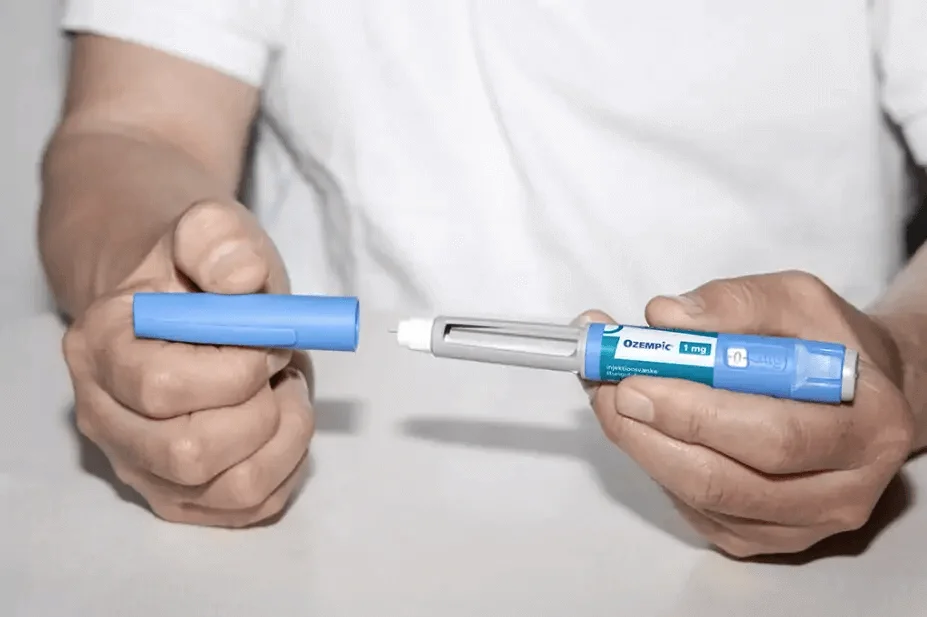
Will I need to stop GLP-1s permanently to have liposuction?
Not exactly. Some patients put their GLP-1 on hold prior to and post surgery and resume after with physician supervision. Your expert will design a regimen that balances metabolic requirements with surgical safety.
How should I prepare for lower-belly liposuction after GLP-1 therapy?
Have a medical check-up, optimize vitamins and hydration, cease blood-thinning supplements as instructed, and schedule recovery assistance. Transparent communication between your prescribing clinician and surgeon is crucial.
How soon will I see final results if I had GLP-1-related weight changes?
In terms of contour changes, expect initial changes in weeks, but final results in three to six months. If you return to GLP-1 therapy and keep fluctuating in weight, results can change, so talk about long-term expectations with your surgeon.
 /
/ 