

Liposuction for Stubborn Fat That Won’t Budge | Discover Your Options
Key Takeaways
- There are certain types of fat that simply won’t budge with diet and exercise due to a combination of biological, genetic, and hormonal reasons. They tend to present themselves in areas like the abdomen, thighs, and arms.
- Liposuction for the stubborn fat that just won’t go away.
- An appointment with a board-certified plastic surgeon sets realistic expectations, evaluates your health, and determines if liposuction is right for you.
- Liposuction recovery includes some swelling and bruising. Adhering to post-operative care instructions is crucial for healing and outcomes.
- A relatively stable weight, healthy lifestyle and good skin quality pre and post procedure has a lot to do with long-term results.
- Some psychological benefits, like improved body image and motivation towards healthier habits that often accompany successful liposuction, can follow. Long-term outcomes are predicated on ongoing dedication to wellness.
Here’s the skinny on liposuction for fat that just won’t quit.
Liposuction – what to expect Many turn to liposuction when diet and exercise won’t work for spots like the abdomen, thighs, or arms. It utilizes miniature tubes to remove fat and contour the body.
To demonstrate how liposuction works, its risks, and what to anticipate, the following sections provide straightforward information and useful advice.
Understanding Stubborn Fat
Stubborn fat is the body fat that won’t go away no matter how hard you diet or exercise. This fat likes to linger in specific regions, even for lean, healthy individuals. Its resistance is affected by a combination of biological, hormonal, and genetic factors. Being aware of why your body fights against fat loss allows you to establish practical expectations for procedures such as liposuction.
It’s important to note that stubborn fat is not synonymous with obesity, which is a distinct medical condition that requires a different strategy.
The Biology
| Fat Type | Location | Health Impact | Removal Difficulty |
|---|---|---|---|
| Subcutaneous Fat | Under the skin | Less risk | Hard to lose |
| Visceral Fat | Around organs | Higher health risk | May respond better |
Subcutaneous fat, which lies just below the skin, is the primary type liposuction attacks. Visceral fat, the deeper fat in the abdomen around our organs, is more associated with health problems like heart disease and diabetes.
Genetics have a large influence on how fat is stored, with some individuals favoring their hips, thighs or belly, while others distribute it more uniformly. Metabolism plays a role. A crawl metabolism can make it nearly impossible to lose fat, even with hardcore dieting and training.
A variety of elements, such as environmental influences and certain medications, influence how the body stores and retains fat, further complicating the issue.
Common Areas
- Abdomen and flanks (love handles)
- Thighs and hips
- Upper arms
- Lower back
- Chin and neck
Some areas are more prone to storing fat than others because of the number of fat cells and blood flow. Take the lower abdomen and flanks for example. They often contain stubborn fat that diet and exercise tend to leave behind.
Love handles and belly fat are two of the most common cosmetic concerns because they are hard to conceal and often play a factor in your self-image. These stubborn areas are hard to liposuction with typical fat loss because the body does not burn fat in a localized fashion.
Even intense workouts might not transform certain trouble areas, which is why some turn to liposuction and similar options.
Hormonal Influence
Hormones do a lot to control where and how the body stores fat. Insulin, produced by the pancreas, manages blood sugar and can drive the body to store more fat if elevated.
Cortisol, the stress hormone, can cause fat to accumulate, particularly around the belly. Estrogen sculpts women’s fat, frequently directing excess to the hips and thighs.
When hormones get out of whack due to age, illness or medications, stubborn fat can pile on. As we get older, our hormone levels shift, which means it is easier to gain and more difficult to lose fat, even if habits remain constant.
The Liposuction Solution
Liposuction is a cosmetic procedure that removes persistent pockets of fat that diet or exercise can’t shift. It sculpts the body by extracting fat from areas such as the abdomen, thighs, or arms. Instead of losing weight generally, liposuction treats targeted areas and assists those who are near their target weight but want to fix contours. That’s what makes it the #1 cosmetic surgical procedure in the world.
1. The Mechanism
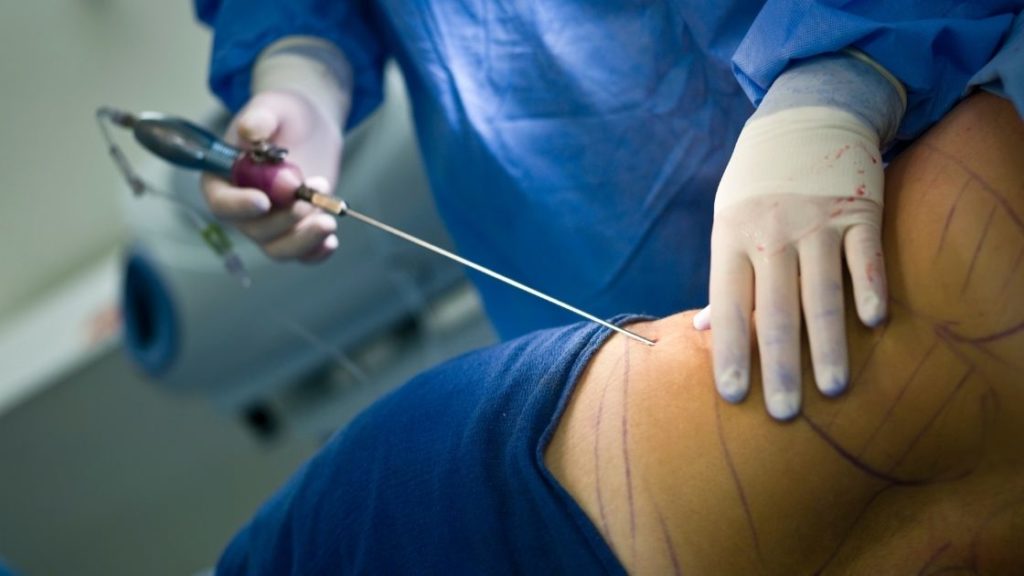
The concept is straightforward. The surgeon makes tiny incisions in the skin and then inserts a thin tube known as a cannula. This tube removes fat cells from beneath your skin. Fat is taken directly from those areas where it persists that diet or exercise can’t always reach.
Various ways exist. Some target deeper fat, while others are best suited for areas with minimal fat. Surgeons choose the technique depending on the location and the patient’s requirements.
Tumescent solution assists with pain and swelling. It’s a combination of saline, anesthetic and a drug to constrict blood vessels. This accelerates the process, makes it safer and aids healing.
The right surgeon means everything. An experienced doctor knows how much fat to take so the body still looks natural and even.
2. Modern Techniques
Tech innovations have transformed liposuction. Now, there are things like HD lipo and tumescent lipo. Tumescent is now the most prevalent type. They pick it because it is safer, less painful, and you heal faster.
Others new techniques utilize sound waves. For instance, ultrasound-assisted lipo fragments fat prior to extraction, so less physical pressure is necessary. This can translate to less bruising and a silkier appearance.
Minimally invasive ways imply smaller cuts and less downtime. Most folks are back to work within a couple of days and can resume exercise in around a week.
Against ancient practices, they’re gentler on the body and deliver superior outcomes. All suck out fat cells that won’t disappear otherwise.
3. The Consultation
Here, that early talk with a plastic surgeon is crucial. The surgeon will examine the individual’s health, discuss their goals, and describe what liposuction can do.
The doctor will observe the fat distribution and discuss the potential outcomes. It is the season of making real plans and discussing expectations.
Ah, learning. They should be aware of the procedure, the recovery time, and what the potential outcome could be.
To be candid about wellness and concerns ensures that the procedure is secure and meets the individual’s requirements.
4. The Goal
Liposuction is most successful in individuals with well-defined, actual goals. It is not about losing weight, but about contouring the body.
It assists individuals looking to address bulges that resist diet or exercise. Even a little shape makes a big difference.
People should know it takes time for the results to come through, sometimes a few months. Post-surgery wearing of a compression garment aids in healing and can reduce swelling and pain.
Maintaining healthy habits post-surgery maintains the results. Bodies shift, and nobody knew what their figure would be years down the road.
Are You A Candidate?
Liposuction works best on individuals who are close to their target weight but have persistent pockets of fat that won’t budge with dieting or exercise. We discuss what makes a good candidate here: overall health, skin quality, and mindset. These specifics assist in establishing reasonable expectations for those interested in this body contouring treatment.
Health Profile
Comprehensive health evaluation prior to surgery is essential. Physicians look for any preexisting issues such as uncontrolled diabetes, heart disease, or prior blood clotting. These can increase the dangers of surgery and complicate recovery.
Patients should inform their doctor of all medications, vitamins, or herbal supplements used. Some may complicate anesthesia or recovery. Smokers have it worse, as smoking can impede healing and increase the risk of infection.
A healthy BMI is key. Liposuction is not a weight loss method. It’s best if you’re near your goal weight, typically within 5 to 10 kilograms, and have localized pockets of fat. Those who are a significant distance from their goal weight might not achieve the desired results and could experience increased health risks.
Skin Quality
Skin that can bounce back after surgery yields better results. Taut, stretchy skin assists the body to its new form and keeps everything uniform. If your skin is loose or stretched, you are more likely to sag after fat removal.
Everyone’s skin is different. Age, genetics, and history of weight fluctuations can all play a role in how well your skin snaps back. Thick, firm skin tends to heal with smoother contours, whereas thinner skin will wrinkle or sag.
If you’re a person who has lost a significant amount of weight, you may need to consider extra skin surgery or skin tightening treatments to achieve your desired appearance. Skin quality can limit what liposuction can do. Adding non-surgical skin tightening can make a difference.
Realistic Mindset
Knowing exactly what liposuction can and cannot do is crucial. It sculpts the body but is not weight loss or a solution for obesity. The best candidates understand these boundaries and don’t anticipate immediate or dramatic transformations.
Psychological preparedness aids in recovery. Those with patience, support, and who were prepared for the downtime generally fare better and emerge happier post-op.
Results may vary based on individual body, skin, and healing differences. Some observe a slight shift, while others observe a bit more. Being active, eating right, and maintaining a stable weight post-surgery preserve results. Liposuction is only a piece of a larger health and self-care vision.
The Procedure Journey
Liposuction is a surgical option for individuals who battle with areas of fat that cannot be remedied by diet or exercise. It’s a careful journey from planning and preparation all the way through the actual operation. Each step supports patient safety, comfort, and the optimal outcome.
Preparation
- Bring key items: identification, insurance documents, a list of current medicines, prescribed post-surgery medicines, and a phone charger. Throw a little bag with some easy snacks, water, and a book or headphones for waiting chunks.
Have someone drive you home after the procedure. Most patients are sleepy, weak, or sore immediately following surgery. It is not safe to drive or take the bus alone.
Certain medications, particularly blood thinners and NSAIDs such as ibuprofen, should be discontinued approximately one week prior to the surgery. This reduces bleeding risks during and after surgery.
Dress in loose, soft, comfortable clothes that are easy to remove. Pants or tops that zip or button are best. This facilitates post-surgery dressing and reduces strain on the treated region.
The Day
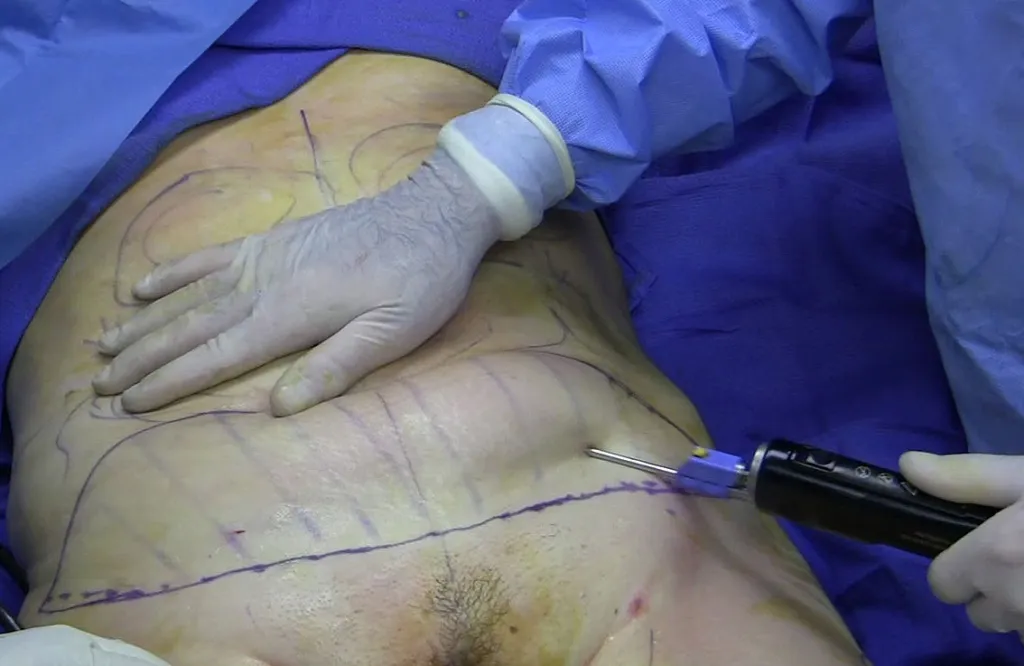
Surgery day – Patients arrive, sign forms, and meet the team. A nurse goes over health history and verifies the treatment area. The surgeon might draw on the skin.
The procedure itself can range from one hour to several hours, depending on the amount of fat extracted and the number of areas treated.
You must, of course, listen and follow the surgeon’s instructions. These usually involve fasting for several hours, not eating or drinking before surgery, and removing jewelry or contact lenses.
The anesthesia is to ensure the patient experiences no pain. It varies based on the region and how much fat is extracted.
Anesthesia
Liposuction often uses either local anesthesia, which numbs a small area, or general anesthesia, which puts the patient to sleep. Occasionally, regional anesthesia is employed for larger areas.
General anesthesia means you’re completely out. Local means you remain awake but numb in the treatment area. The option is determined by conditional complexity and patient health.
Talking over anesthesia options with your surgeon customizes the plan to your requirements and reduces side effect risk. This conversation is critical to safety.
Post-surgery side effects are typically grogginess, nausea, or headaches, which subsides as the anesthesia diminishes. Some swelling, soreness, or seromas (fluid buildup) is typical and handled with care instructions and a compression garment.
Recovery And Results
Liposuction can help pin down problem areas of fat that don’t respond well to diet or exercise. After the procedure, the healing process and visible results often depend on following care instructions closely and allowing time for the body to recover. Swelling, bruising, and other symptoms are common, and the route to final results is slow, not immediate.
| Symptom | Typical Onset | Duration |
|---|---|---|
| Swelling | Immediate | Weeks to months |
| Bruising | Immediate | 2–4 weeks |
| Tenderness/Pain | 1–3 days | Up to 2 weeks |
| Numbness | Within 1 week | Weeks to months |
| Itching | 1–2 weeks | Up to 4 weeks |
The Timeline
- First few days: Expect soreness, mild pain, and a “burning” sensation.
- 1 week: Bruising and swelling remain. Movement may be limited.
- 2–4 weeks: Swelling starts to lessen, bruising fades, and light activities resume.
- 4–6 weeks: Most swelling resolves and you can slowly return to exercise.
- 6–8 months: Swelling fully subsides, final results become clear.
Swelling typically persists for a few weeks and can hang around in pockets. Bruising, which is common post liposuction, fades by about the one-month mark. Most individuals can resume their normal activities within a few weeks, but heavy exercise should be postponed until given the go-ahead by a medical professional.
Your body’s shape will continue to evolve for the next few months as swelling recedes and tissues heal, so patience is essential to witnessing the final results.
The Outcome
- Checklist of factors affecting results:
- Expertise of the surgeon.
- Patient’s skin laxity.
- Region treated and volume of fat extracted.
- Post-op care guidelines.
- Steady weight maintenance.
Smart eating and exercise are crucial for maintaining results. Liposuction can sculpt a flatter abdomen, thigh, or arm. This type of contouring frequently brings about a boost in confidence. Some will desire additional procedures if they don’t achieve their perfect look the initial time or if skin loses tautness with age.
The Scars
Liposuction employs tiny incisions, typically only a few millimeters in length, positioned in areas with minimal visibility. Because these incisions are small, scars are typically minimal and fade with good care. Protecting wounds keeps them healing well.
Eventually, the majority of scars fade and are less obvious, merging with adjacent skin.
Beyond The Scalpel
Liposuction is more than a scalpel solution to stubborn fat. For quite a few, the advantages transcend physical transformation. Mental health, lifestyle, and self-image contribute to the post-surgery journey. These things are important to know for anyone contemplating or recovering from liposuction.
The Mental Shift
Liposuction may change the way we view ourselves. For those who battled belly fat that refused to budge, even after rigorous diet and exercise, the transformation in body contour is liberating. Others say they experience a confidence increase once the swelling subsides and the results begin to reveal themselves, which could take six to eight months.
No new look cancels out a lack of self-acceptance. It’s useful to recall that body positivity extends beyond size or shape. It’s this embrace of the changes—be they subtle or dramatic—that really builds a healthy mindset.
When you feel better in your own skin, it can boost your mood, your social life, your work focus, and even your motivation for other goals. With support from friends and family, this transition can be easier. Open discussions with family or support groups can keep expectations transparent and tension minimal.
The Lifestyle Lock-in
Surgery is not a hack for permanent transformation. Maintaining Your New Contours From Liposuction Incorporating Healthy Habits Into Your Daily Life. Doctors still recommend reasonable exercise and balanced meals as fundamentals for anyone anticipating maintaining their results.
Some patients leverage their new shape as a momentum to remain physically active and eat healthy. Establishing goals such as walking 30 minutes a day, enrolling in a fitness class, or prepping meals in advance can aid in keeping things on track. Without this persistence, weight can creep back and results can lose their luster.
It’s not always easy to maintain these habits. It’s time to build lasting routines. Those who maintain a healthy lifestyle frequently savor their results for years. Wearing a compression garment for a few weeks following surgery can assist by reducing swelling and pain, helping you get back into the swing of daily activities. Most are able to return to work within a week.
The Non-Surgical Myth
To many, non-surgical fat reduction is the same as liposuction. Procedures such as CoolSculpting eliminate fat with no incisions or recovery and are commonly used to address small areas. These alternatives have boundaries. They are most effective for minor transformations and cannot compare to the volume of fat lipo can extract in a single sitting.
Liposuction, with more than 300,000 cases annually in the U.S., continues to be the favorite for patients requiring more dramatic results. Priced at $2,000 to $3,500, mild pain or soreness may last several days, but the result can be long term for those who maintain a constant weight.
Surgery versus non-surgical? That all depends on your individual goals, health, and budget. A discussion with a board certified physician can assist in weighing the advantages and disadvantages for your personal needs.
Conclusion
Liposuction for hard-to-lose islands of fat that remain after diet and exercise. They tend to take this path for areas like the stomach, legs, or arms. The process remains transparent and straightforward, from the initial consultation to the final follow-up. You get hard results, but still have to maintain good habits for the long haul. Most people discover that a combination of nutritious food, exercise, and liposuction is the optimal solution. Before you dive in, discuss it with a trusted doctor. Inquire and consider your options. To explore further or find out if this suits your needs, contact a licensed provider in your area. Some clear information and smart planning will point you in the right direction.
Frequently Asked Questions
What is stubborn fat and why does it not respond to diet or exercise?
Stubborn fat is fat that won’t go away with eating healthy and exercising. This is typically genetics, hormones, or body type at play with these areas being the hardest to slim down.
How does liposuction remove stubborn fat?
Liposuction is a surgical procedure that targets and removes fat cells from particular regions through suction. It is body contouring, liposuction for stubborn fat that won’t budge.
Who is an ideal candidate for liposuction?
Best candidates are adults at a stable weight, in good health and who have localized fat deposits. Liposuction is not about losing weight; it is about achieving body contouring.
What should I expect during the liposuction procedure?
Under anesthesia, small incisions will be made and fat will be removed with a very thin tube. The procedure typically lasts one to three hours, depending on the size of the area treated.
How long does recovery from liposuction take?
Generally, individuals are back to their routine within a week. Complete recovery and final results can be seen after a few months when the swelling diminishes.
Are the results of liposuction permanent?
Yes, the eliminated fat cells never return. It’s a healthy lifestyle that keeps results, as leftover fat cells can still swell.
Are there alternatives to liposuction for stubborn fat?
Indeed, there are treatments such as cryolipolysis (fat freezing) and ultrasound. These are nonsurgical techniques that can assist with minimal fat reduction.
 /
/ 