

How Weight Gain After a BBL Affects Your Results

Key Takeaways
- Weight gain post BBL can shift fat distribution and body proportions. Keep an eye on your weight to maintain your desired outcome.
- Transferred fat cells get bigger with weight gain instead of new cells forming. Keep your weight stable with balanced nutrition and exercise.
- Even moderate weight gain of around 2 to 5 kilograms can add to your plumpness, and more excessive gains of over approximately 7 kilograms risk asymmetrical contours, skin stretching, and loss of the chiseled look.
- Donor areas can store new fat and old work can appear lumpy. Use a healthy lifestyle and focused exercise to maintain a proportional physique.
- Support your skin’s integrity with hydration, nutrition and maybe even noninvasive treatments, if laxity presents. Avoid rapid weight gain or loss, as this can increase the risk of stretch marks.
- If your results have been significantly altered by weight changes, talk to a board-certified plastic surgeon regarding revision options such as revision procedures, targeted liposuction or skin-tightening treatments.
Weight gain post-bbl is inevitable when you consume more calories than you burn during healing. Most patients experience changes in fat distribution and small weight fluctuations in the months following surgery.
Variables such as limited mobility, inflammation, diet, and hormonal changes affect this process. Tracking weight with a regular scale and taking measurements gets you closer to detecting genuine changes.
The body dives into causes, timelines, and what to do to maintain a healthy weight after surgery.
Post-BBL Weight Gain
Post-BBL weight gain can shift the way your transferred fat sits and change your proportions. Here are the primary culprits to monitor and actionable measures to maintain surgical outcomes and body equilibrium.
1. Fat Cell Expansion
Fat cells that relocated to your butt during a BBL don’t multiply; they expand if you gain weight. So when you gain weight, those cells enlarge much the same as native fat cells, which can make the buttock appear too full.
Post-BBL weight gain can lead to fast or excessive size increases that can ruin the chiseled curves you worked so hard to sculpt. Maintain stable weight with portion control and consistent exercise to help those fat cells survive in the long term and keep the look close to what the surgeon intended.
2. Proportional Growth
Weight gain occurs in the entire body, not just the butt. Growth is sometimes even and other times focused in specific areas that can shatter the hourglass or balanced silhouette created by the BBL.
Test before and after photos to see where you collect fat and how your silhouette changes. Balanced nutrition, resistance work, and cardio keep gains proportional. If your midsection, hips, or thighs shift unevenly, targeted strength training can help realign a balanced contour.
3. Donor Area Changes
Donor sites—abdomen, flanks, thighs—can gain fat post-liposuction and BBL, as liposuction removes fat cells but doesn’t prevent fat cells from settling there later on. This can cause uneven results if fat comes back more to a previously treated area.
Keep tabs on these areas with pictures and basic measurements. A balanced diet, consistent exercise, and hydration of approximately 2 to 2.5 liters a day promote even fat distribution and smoother shape recovery overall.
4. Recipient Area Changes
Your buttocks react to weight fluctuations like any other fat-storing region. Transferred fat turns into permanent tissue and will grow with weight gain, which can occasionally create an unnatural or sagging look, especially if growth is substantial.
Observe for contour and firmness changes. If shape is sacrificed, see a board-certified plastic surgeon to discuss options, which may include revision surgery or non-surgical contouring. Maintaining a stable weight and healthy skin supports the preservation of the newly intended curves.
5. Skin Integrity
Your skin elasticity is what decides how well your buttocks hold up as your size fluctuates. Hydration, a protein-rich diet, and collagen-supporting micronutrients help minimize stretch marks and laxity.
Steer clear of major weight fluctuations to reduce loose skin. If laxity develops, radiofrequency tightening or similar treatments can restore firmness.
Gain Thresholds
By determining thresholds, patients and clinicians can establish clear expectations around the impact of post-op weight fluctuations on BBL results. Small fluctuations may change your appearance subtly. Larger shifts can change where fat stores and how skin drapes. Knowing what counts as moderate versus significant gain and how that interacts with liposuction harvest requirements facilitates improved planning and more enduring results.
Moderate Gain
Moderate weight gain around 2 to 5 kg (5 to 10 pounds) can add to buttock fullness without major warps. For numerous patients, a slight increase expands both transplanted fat cells and natural fat, occasionally boosting roundness. For example, someone who gains 3 kg may notice a slightly firmer, more voluminous silhouette while hip-to-waist ratios remain similar.
Other surgeons recommend bulking up a few pounds before surgery to provide sufficient donor fat. Remember that a significant difference usually requires approximately one liter of fat preserved, and surgeons typically can harvest 2 liters of aspirate. Thin patients with a little bit of stomach fat can be great candidates, but they could be required to gain slight weight so liposuction results in enough material.
Gains of this size are typically in the range where fat cells will just swell, not move, and they react to subsequent weight loss just as other fat. Track percentage increase around waist, hips, and thighs. If its growth is uniform, the BBL contour remains stable. Monitor weight for a few months and if happy, tune diet or exercise to plateau at a sustainable level.
Significant Gain
Excessive weight gain over roughly 7 kg (15 pounds) threatens uneven fat distribution to donor and recipient areas and can warp surgical outcomes. Big gains can stretch skin and shift your silhouette and expose unevenness that was once subtle. Be ready to revisit if the new fat storage pattern sabotages symmetry.
Possible complications of significant weight gain after BBL include uneven or lumpy buttock contours, increased fat in areas not liposuctioned, altering proportions, skin stretching that reduces definition, the need for corrective surgery or contouring, and reduced longevity of the original shape.
Protect the procedure with weight management. Try to be a steady, healthy weight going into surgery and afterwards. Approximately 50% of the perceived result is the liposuction shaping, as much as the fat transfer. Major weight fluctuations either way will impact outcomes, so strategize with reasonable, incremental objectives.
Result Maintenance
Understanding what goes into maintaining BBL results is knowing the daily habits and care that help you maintain stable weight, skin health, and fat cell survival. Transparent maintenance with a strong rhythm surrounding nutrition, exercise, hydration, sleep positioning, and reasonable lifestyle boundaries makes results stick for more than 10 years when paired with surgeon direction.
Nutritional Strategy
Post-BBL nutrition should emphasize lean protein, healthy fats, and complex carbohydrates to nourish healing tissues and support fat graft survival. Proteins like poultry, fish, legumes, and low-fat dairy repair tissue and maintain muscle. Nourishing fats each day from olive oil, avocado, nuts, and oily fish maintain skin elasticity and energize you without the inflammation associated with processed fats.
Complex carbohydrates such as whole grains, sweet potatoes, and vegetables provide consistent energy and prevent quick weight fluctuations that skew results. Schedule meals to maintain weight. Eat normal portions and add fibrous vegetables for better fullness. Hydration is key. Drink eight to ten glasses, which is approximately two to two and a half litres, of water per day to facilitate healing and skin health.
Consuming less than a glass of alcohol a day causes horrible inflammation and random weight gains. Stay away from junk and processed foods and trans fats that can shift body fat where it doesn’t belong and ruin your surgical results.
- Focus on lean protein with each meal to aid recovery and muscle.
- Add daily sources of omega-3 and monounsaturated fats for skin and metabolic health.
- About result maintenance favor low-glycemic carbs and fiber to keep weight stable and minimize fat shifts.
- Forsake junk and greasy meals that cause terrible weight gain.
- Drink 2 to 2.5 liters of water a day. This will aid recovery and tissue survival.
- Portion control and eat at regular times to avoid yo-yoing.
- Restrict alcohol and sugary beverages to reduce inflammation and weight risk.
- Consult a registered dietitian when necessary to customize your calorie targets to your body.
Fitness Regimen
Start gently: avoid intense workouts for the first 6 to 8 weeks after surgery as per surgeon instructions. Once gone, target 3 to 5 workouts a week that mix strength and cardio. Strength train with squats, lunges, hip thrusts, and deadlifts to build the glutes underneath the grafted fat, giving it shape and support.
Take advantage of progressive resistance to preserve muscle tone without pushing for quick bulk changes. Aerobics—fast walking, biking, swimming—help maintain heart health and consistent weight. Keep sessions modest initially and ratchet up only gradually. Monitor workouts and results with a straightforward log or application.
Record exercise type, length, and your feelings. This tracking helps motivation and reveals what habits maintain results. Sleep and posture matter: avoid long periods lying on your back. Sleeping on your stomach or side relieves direct pressure on your buttocks and preserves fat placement.
Keep an eye on weight. Little gains are a lot less likely to alter results than big shifts, but everyone distributes differently.
Hormonal Influences
Hormones dictate so much with fat distribution and weight changes post-BBL. Whether due to aging, pregnancy, medications or endocrine disorders, these hormonal changes can affect fat distribution, skin tone and metabolic rate, all of which impact the end result of a BBL.
Be cognizant of hormone-related variations and modify your care accordingly for as consistent results as possible.
Metabolic Shifts
Metabolic rate determines how quickly you burn calories and affects post-BBL weight fluctuations. With a slower metabolism, it’s easier to become fat and harder to lose it. Telltale signs include incremental weight gain on the same diet, more fat present on the waist and hips, low energy, and difficulty maintaining lean muscle mass.
Adjust calorie intake and activity level when you notice these signs. Reduce excess calories by about 10 to 20 percent if weight creeps up and increase resistance training two to three times weekly to maintain muscle, which supports metabolic rate.
There are easy changes too, like swapping refined carbs for fiber-rich whole grains and incorporating a protein source with every meal to support satiety and muscle repair. A daily dose of aerobic exercise helps too. Shoot for at least 150 minutes a week at a moderate pace, or more if you need to maintain your weight.
Pregnancy usually decelerates metabolic regulation due to hormonal appetite stimulation and energy storage. Anticipate some transient weight gain and redistribution of fat stores during pregnancy and postpartum.
For many patients, this subsides as hormones stabilize in the months following delivery. Surgeons usually recommend waiting a minimum of 6 months post-delivery and once breastfeeding has ceased for 6 to 8 weeks before determining long-term BBL results.
Waiting six to twelve months after delivery and a few months after breastfeeding provides a better sense of metabolic settling.
Endocrine Health
The endocrine system controls hormones that influence fat storage. Therefore, nourishing endocrine health preserves BBL outcomes. Hypothyroidism and insulin resistance, for example, shift the way that your body stores fat and can cause it to concentrate in specific areas, which can distort buttock shape post-BBL.
Be on the lookout for symptoms such as unexplained weight gain, cold intolerance, irregular cycles, or persistent fatigue and get targeted lab tests when these arise.
Lifestyle steps that assist are regular 7 to 9 hours of sleep, stress management via mindful breathing or short daily walks, and regular eating times to minimize insulin fluctuations.
When medical issues exist, collaborate with an endocrinologist to get hormones under control. Drugs or a specialized diet may be required to avoid permanent alterations to skin and fat that alter surgery results.
The Mental Aspect
Weight fluctuations post-BBL impact not just your look, but self-perception, routines, and mental well-being. This section covers how changes in weight can affect your mind, what to anticipate, and how to remain grounded and content with results over time.
Body Image
Post-BBL body image typically gets better. Responses are mixed. A lot of folks observe better curves and increased confidence in attire, which can boost mood and social comfort.
Weight swings, particularly in the initial months post-op, can spark insecurities about how one looks. These swings are normal. Fat shifts with gain or loss can make it appear differently.
- Personal goals and motivations after a BBL:
- Keep a steady weight to hold shape.
- Slip into favorite clothes with ease and confidence.
- Establish a posture and tone-friendly exercise regimen.
- Keep your stress levels down by monitoring your progress and marking every gain.
- Focus on health, not a fantasy appearance.
Comparisons to celebrities or filtered pictures fuel unrealistic benchmarks and make contentment more elusive. Vent with trusted friends or a supportive online group to alleviate isolation and provide helpful hints.
Peer stories, for example, may illustrate how modest lifestyle shifts and patience generate consistent mental and physical results.
Expectation Management
Well-defined, sensible goals pre-surgery minimize post-surgical disappointment. Understand what a BBL can change: contours and proportions, not bone structure or overall weight. Talk details with your surgeon so expectations align with reality.
Understand that aging and future weight fluctuations will impact results. Prepare for the swings. Fluid shifts and inflammation can change the readings in weeks and a couple of months. These are transient.
If you gain weight after it heals, your buttocks may expand or lose some contour. That potentiality ought to enter into pre-surgical planning.
Give yourself clear, achievable milestones and check back often. Follow weight, measurements, photos, and mood notes to monitor actual progress. Update as the body calms and life shifts.
Good nutrition and consistent exercise give people a sense of control which bolsters mental health. For many, a BBL acts as a catalyst: motivation to eat better, move more, and take care of oneself.
Corrective Procedures
Weight gain following a BBL can drastically alter the appearance you strove to achieve. Corrective procedures attempt to restore a balanced, shapely contour when excess weight or skin laxity disrupt results. Available choices vary based on factors such as how and where weight was gained, previous surgeries, skin quality, and general health.
Talk options over with a board-certified plastic surgeon who can customize a plan according to your history and objectives.
Revision BBL is available when grafted fat shifts or extra volume and recontouring are required. Surgeons can take out or reposition fat, or add fat grafts from new donor sites. Revision can correct for asymmetry and replenish the buttock contour but presents the same risks as the primary procedure, such as infection, fat necrosis, and the risk of erratic fat survival.
Outcomes are contingent on tissue quality and if the weight gain has been substantial and the skin has been stretched, then revision alone may not be adequate.
Liposuction comes in handy when localized fat recurs in previously liposuctioned areas. If fat cells are removed from the waist or flanks, those parts of the body tend to accumulate less fat later on. Where fat cells remain, they can still get bigger with weight gain.
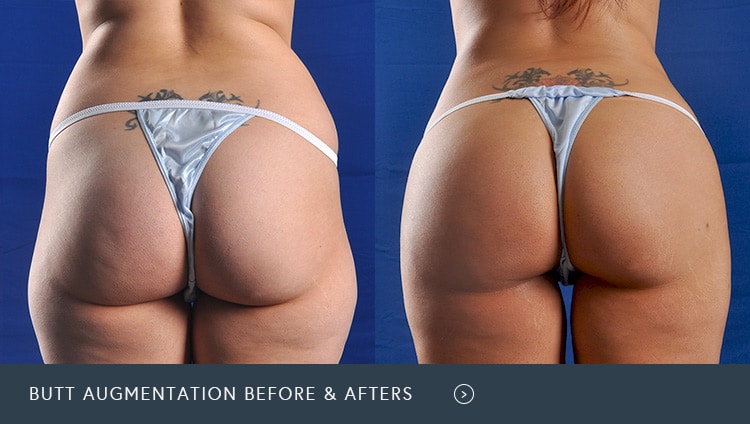
Liposuction decreases fat volume and can restore waist-hip harmony, enhancing the buttock outline. Risks are contour irregularities and very careful postoperative weight control is necessary to prevent recurrence.
When weight gain followed by weight loss leaves you with excess skin that shrouds your contour, surgical skin removal is in order. Similar to a thigh lift or skin excision, procedures like a lower body lift or targeted skin excision remove excess tissue and firm the region, resulting in a more sculpted appearance.
These surgeries have longer recovery times and more scarring associated with them, but can provide long lasting enhancement when loose skin is the primary problem.
Evaluating benefits and risks involves frank conversation about what to expect, how long the recovery will take and how future weight fluctuations will affect the results. A customized plan will take into account that a BBL is not a weight loss technique but a contouring technique.
If you had liposuction or fat grafting in certain areas, your future weight fluctuations will impact those areas differently. Fat-removed areas tend to be more stable, but grafted fat may grow or diminish with weight variations. Keep weight steady to help maintain results.
Remedies that help cut down future procedures are consistent weight control, drinking water around 2 to 2.5 liters a day (approximately 8 to 10 glasses), and a nutritious diet with proteins such as oily fish, eggs, Greek yogurt, and legumes.
You can anticipate immediate changes post-op, the final outcomes stabilizing around six months and a healing period of 6 to 8 weeks.
Conclusion
Weight can fluctuate after a BBL. Even small gains of 2 to 5 percent body weight can alter the way your results appear. Heavier gains can change form and conceal the lift. Monitor weight with easy instruments such as a scale and body tape. Favor steady habits: balanced meals, regular movement, and sleep. Anticipate hormone swings and mood changes that impact appetite and selections. Talk to a provider about realistic goals and options if shape changes matter. For a noticeable drop in results, fat graft touch-ups or muscle-sparing lifts provide remedies. Choose the route that suits your wellness, wallet, and schedule.
If you want a plan that fits your life, book a consult or request a step-by-step weight and care checklist.
Frequently Asked Questions
Can you gain weight after a BBL?
Yes. A BBL changes fat distribution but doesn’t prevent weight gain. Additional calories will add to overall fat and potentially impact both treated and non-treated areas.
How much weight gain affects BBL results?
Little fluctuations of 1 to 3 kg typically won’t alter results significantly. Any larger gains over 5 to 10 percent of body weight can radically change shape and symmetry.
Where does weight go after a BBL if I gain weight?
Fat will come back in a genetic pattern. Certain individuals will gain back in the booty. Others experience more fat in their belly, thighs, or all over.
Do hormones affect post-BBL weight gain?
Yes. Hormonal shifts such as thyroid problems, menopause, or drugs can deposit more fat and cause post-surgery weight to be harder to control.
Can lifestyle choices preserve BBL results?
Yes. A balanced diet, regular exercise, and consistent weight maintain shape. Don’t gain or lose weight quickly for optimal long-term results.
Are corrective procedures needed if I gain too much weight?
Occasionally. If the weight gain creates unacceptable shape changes, touch-up liposuction or fat grafting can reshape the area. Speak with a board-certified plastic surgeon about alternatives.
How soon should I see a surgeon if my BBL shape changes with weight gain?
See a qualified surgeon once weight stabilizes and you’re at a goal weight, usually after six to twelve months. Early evaluation helps plan the right corrective approach.
 /
/ 