

Flying After Liposuction: Risks and Recommendations for Safe Travel
Key Takeaways
- Flying post-liposuction increases the risk of blood clots because of immobility, cabin pressure alterations, and surgical injury, so precautions are crucial during air travel.
- Staying hydrated, wearing compression stockings, and moving your legs throughout your flights are all practical things you can do to reduce your risk of blood clots.
- Your individual risk for blood clots varies based on medical history, lifestyle, and the invasiveness of your surgery. Speak with your doctor prior to travel.
- Short flights are safer than long ones soon after surgery. All travel should be authorized by your surgeon depending on your specific recovery status.
- Get ready for your flight with these tips on packing your gear, what to do during your flight, and keeping your medical info handy in case of complications.
- Be on the lookout for both immediate and delayed symptoms of blood clots post-flight. Seek immediate medical attention if you have chest pain, shortness of breath, or unusual swelling.
Flying after liposuction blood clots is one of the biggest questions from patients. Blood clots or deep vein thrombosis can occur after surgery and can be induced by long flights.
Doctors usually recommend flying a minimum of two weeks. Wearing loose clothes, getting up and walking in the aisle, and drinking water can reduce risks.
The next chapters will let you know what to expect and how to keep safe post-liposuction when flying.
The Clotting Risk
The clotting risk is genuine after liposuction, particularly if you’re flying soon after surgery. The risk of deep vein thrombosis (DVT) spikes because of the combination of surgical trauma, less mobility, and long flights. Surgery prompts your body to pass out clotting factors, and that risk is at its highest in the first two weeks after surgery.
Sitting still for over four hours on a plane or even a car trip significantly increases the chances of a clot. Both the distance traveled and the number of weeks post-surgery are important. Reducing this risk is critical for any post-liposuction traveler.
| Risk Factor | Effect on Blood Clots |
|---|---|
| Immobility | Slows blood flow, increases DVT risk |
| Dehydration | Thickens blood, raises clot formation chance |
| Cabin Pressure | Reduces oxygen, affects blood return |
| Surgical Trauma | Increases clotting factors in the bloodstream |
| Long Flight Duration | Prolonged sitting, swelling, DVT risk |
1. Immobility
Lying motionless for extended stretches is a leading culprit of DVT, particularly following surgery. On flights longer than 4 hours, the risk increases by more than 50%. Compression stockings aid in moving blood back to the heart and reduce this risk when worn during the initial weeks following surgery.
Small walks every 30 to 60 minutes, or at minimum, small leg stretches, keep the blood flowing. Crossing legs impedes a certain amount of blood flow and can make clots more prone to develop.
2. Dehydration
Dehydration can creep up on you when you’re on the road. Cabin air is dry, and combined with caffeine or alcohol, you become dehydrated, which makes your blood thicker and increases the risk for clots. Walking around with a water bottle and taking frequent sips keeps you hydrated.
Watch for dry mouth or fatigue as initial indicators. Recognizing these and hydrating immediately can help.
3. Cabin Pressure
Pressure in a plane is less than on the ground. This can impede blood flow back to the heart and contribute to swelling. The longer your flight, the more this matters. Flights over four hours are the hardest on the body.
Consulting your surgeon regarding flying is wise, as they may have advice tailored to your recuperation. Pressure changes can exacerbate swelling or pain after liposuction, so prepare accordingly.
4. Surgical Trauma
Liposuction itself can trigger the clotting cascade. The body responds to surgery by producing more clotting factors in the blood. This healing response is normal, but it increases clot risk.
Adhering to all post-surgery care directions reduces your risk of problems while you’re on the go. If you’re uncertain or concerned, simply pose direct questions to your surgeon about your own risks.
5. The Ultimate Danger
A clot is most dangerous when it dislodges and travels to the lungs, which is called pulmonary embolism. This can give you chest pain or make it hard to breathe, which are warning signs requiring immediate attention.
Be on the lookout for these symptoms during air travel, particularly during the two weeks post-surgery. Taking precautions against travel-related clotting risk safeguards you in your week of recovery.
Your Personal Risk
Risk of blood clots post-liposuction is not a one-size-fits-all. It’s about your personal health, the surgery you’ve had or will have, and your lifestyle. Flying too soon after surgery, particularly within the initial two weeks, heightens your risk. That risk increases further if you underwent a tummy tuck, high volume liposuction, or surgery longer than five hours.
Flying impedes blood flow in the legs and can exacerbate swelling. Having that knowledge of your own risk allows you to make safer decisions about when and how to travel.
Medical History
Certain medical conditions increase the risk of blood clots post-surgery. Heart disease, history of DVT or known clotting disorders should be discussed with your physician prior to scheduling a flight. If you’ve had a clot, inform your surgeon and your healthcare team.
Even if you’ve never had a clot, be upfront about any family history of clotting issues or chronic illness, such as diabetes and hypertension. These problems can complicate recovery and alter recommendations on when to fly. Make sure you write down any health concerns you have, large or small. Give this list to your doctor to make sure nothing is forgotten.
Surgery Scale
The magnitude of your surgery alters the speed of your recovery and when you can fly. The more fat extracted, the more tissue trauma, which can both delay healing and increase your risk of clots and edema. If you have major liposuction or paired procedures like a tummy tuck, you might need to wait longer—three to four weeks in many cases—before flying is safe.
Most surgeons recommend waiting a minimum of one to two weeks and sometimes longer for safer flying. For small tumescent procedures, you could be clear to fly as soon as the fourth or fifth day if you’re healing nicely. As always, check with your surgeon. Your personal healing pace and your body’s reaction to surgery should be the determining factors, not simply a timeline. Schedule according to your recovery needs, not due to convenience.
Lifestyle Factors
How you live is quite important. Smoking and obesity both impede healing and increase clot risk. A balanced diet or exercise assists blood circulation better through your body, reducing the likelihood of a clot.
Don’t just sit in one place for hours before and after your flight. Cabin pressure can exacerbate swelling and pain, so motion is fundamental. Compression garments worn as prescribed by your surgeon provide an extra layer of defense during that critical first week post-op, particularly on extended flights.
- Drink plenty of water to keep blood from thickening.
- Walk every hour on long flights!
- Wear compression stockings or garments to promote blood flow.
- Avoid alcohol and salt-laden foods prior to and during travel.
The Safe Timeline
Flying after liposuction timeline will vary based on your size of procedure, healing, and surgeon guidance. Most should wait a minimum of two weeks before flying, as swelling tends to peak around 48 hours post surgery and needs time to subside.
Smaller liposuction cases can be traveled with in 2 to 4 weeks, but deeper work often has to wait longer, sometimes 3 weeks or more. The safe timeline is even shorter for shorter flights; they can be safer sooner, but long flights come with a greater risk of clots, particularly if you remain stationary for more than four hours.
Always check with your surgeon; every recovery is different.
| Flight Type | Typical Wait Time | Clot Risk | Key Precautions |
|---|---|---|---|
| Short (≤4 hr) | 7–14 days | Moderate | Move often, wear compression, surgeon clearance |
| Long (>4 hr) | 3–4 weeks | High | Hydrate, walk hourly, avoid if possible, surgeon clearance |
Short Flights
Short flights, generally under four hours, carry less risks than long flights. You still need to be cautious. Traveling by air soon after liposuction is feasible for certain patients after 7 to 10 days, only if your recovery is progressing smoothly and your physician provides the OK.
Minimize time in the air, as extended immobility while seated reduces circulation and increases the chance of blood clots. Attempt to stand or move your legs, ankles, and feet every 30 to 60 minutes.
Compression sleeves keep swelling down and support circulation. Never fly unless your surgeon tells you it is safe, regardless of how brief the journey.
Long Flights
Long flights, 4+ hours, can be way more dangerous post-liposuction, particularly in that first month. Extended periods of sitting reduce circulation and increase the likelihood of deep vein thrombosis (DVT).
Following larger surgeries, doctors typically advise waiting three to four weeks before traveling long distances. If you have to fly, put on your compression garment, hydrate, and walk as much as possible around the cabin every hour.
These actions reduce swelling and clot risk. Not everyone will be ready to do long travel until six weeks. Your doctor’s advice is crucial.
Surgeon’s Clearance
It’s a no brainer to get your surgeon’s sign-off before making a travel plan. Everyone’s healing timeline is different, so your surgeon will know if you’re fit to jet or should continue to rest.
Listen to everything they say about getting on an early flight, wearing compression stockings, and post-op care. Inquire about warning signs of clots or swelling you should be on the lookout for while traveling.
Stay in touch with your surgeon regarding your plans and contact them if you have any concerns before or after your flight.
Your Flight Plan
Flying promptly after liposuction requires thoughtful timing for your well-being and security. The danger of blood clots increases following surgery, particularly when flying. Cabin pressure can exacerbate swelling, primarily during the weeks immediately following surgery.
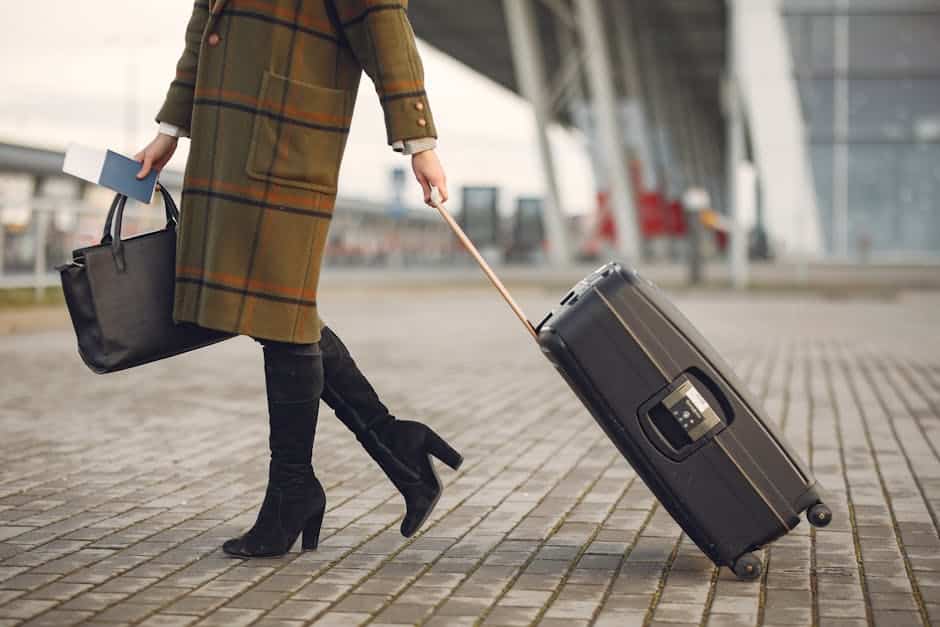
Generally, most surgeons recommend waiting at least 1 to 2 weeks before flying, but this can vary depending on how you are healing and the nature of your procedure. A few days with quick recovery and local anesthesia may fly safely a few days, while others need longer. Each portion of your flight plan should be arranged to reduce hazards and make you feel comfortable.
Essential Gear
Compression is not a recommendation; it’s essential for supporting blood flow on flights. They fight swelling and decrease clot risk if you wear them. Always carry these in your carry-on, not checked bags.
Throw in some pain medicine and wound care products, such as sterile dressings or ointments, into your kit. This simplifies handling a sting or a slow leak on the go. A travel pillow will give you support, allowing you to relax and maintain a proper posture.
Little comforts like this count on long flights and they help reduce soreness. Store all gear in a little bag within arm’s reach. You’ll want to get to it quick if you have to change a dressing or take medicine. Organization staves off stress when you are under the weather.
In-Flight Actions
Easy steps can have a huge impact. Stretch your legs, flex your ankles and wiggle your toes every 30 to 60 minutes. It stimulates blood circulation, which is essential for clot avoidance.
Take an aisle walk whenever possible, even if it’s just a few steps every hour. Brief pauses to stand or visit the washroom assist. Being in one place too long can hinder recovery and aggravate pain.
Drink water frequently to remain hydrated. Dry cabin air can dehydrate you and give you poor circulation. Deep breaths calm nerves and help your chest expand, which increases oxygen flow.
Be alert for swelling, pain or shortness of breath. These might indicate that you require immediate assistance.
Medical Aids
Bring any anticoagulants or blood thinners you’re prescribed, and know how and when to take them. Always carry your emergency contact and doctor’s note. This can assist airline personnel or medical teams if you become ill.
Ensure flight attendants know you’ve had recent surgery. They can come to your aid, swap your seat, or provide additional hydration as necessary. Pack a mini medical kit with all the basics, like bandages and wipes.
It is clever to include a list of any allergies or medicines, just in case.
Post-Flight Awareness
Travel after liposuction is more prone to blood clots and swelling, particularly with extended flights. Post surgery, doctors will generally advise that you wait 1 to 2 weeks before flying. Cabin pressure, less ambulation, and dehydration on flights contribute to these dangers.
Post-flight vigilance is crucial. This section dissects what to observe immediately after the flight, delayed symptoms, and when to seek assistance.
Immediate Symptoms
Post-flight leg pain or swelling can indicate blood clots, which require immediate attention. Chest pain or shortness of breath can indicate a pulmonary embolism, a dangerous complication when a blood clot makes its way to the lungs. These symptoms are not to be disregarded.
List new symptoms or changes in your condition, regardless of how minor they may be. This encompasses one leg pain, redness, or warmth surrounding the surgery site. Monitoring this information helps your doctor identify trends and determine how best to proceed.
If you experience any concerning symptoms, like sharp chest pain, severe swelling, or difficulty breathing, don’t hesitate to get emergency care immediately. Delays put you at greater risk of having permanent damage.
Delayed Signs
Certain issues don’t arise immediately after your flight. Leg swelling or pain may not manifest for days. Be on the lookout for swelling that doesn’t subside, increasing pain, or tight skin. These symptoms could indicate that a blood clot or other issue is developing.
Stay in touch with your doctor in the days following your trip. If you experience any delayed symptoms, even mild, report them. They can become serious fast. For instance, if the incision appears red or you observe fluid accumulation, it may be a seroma or infection.
Compression stockings do assist in preventing swelling. If swelling worsens, that is an alarm bell. Be aware that flying can exacerbate these delayed effects, particularly if you skipped walking around on the plane or wearing your compression garment.
Be sure to stay hydrated by drinking at least 8 glasses of water a day to assist your body in the recovery process.
When to Act
They established defined guidelines on when to seek medical assistance. If you experience extreme pain, non-resolving swelling, or difficulty breathing, get evaluated immediately. Know the signs of blood clots: warmth, redness, pain in the calf, or sudden shortness of breath.
Keep a checklist for after your flight:
- Severe or new pain in legs or chest
- Swelling that increases or does not fade
- Shortness of breath or fast heartbeat
- Redness, warmth, or leaking at the surgical site
If you experience any of these, visit a doctor immediately.
Beyond The Scalpel
Recovering from liposuction is more than simply waiting for scars to fade or swelling to subside. The emphasis is usually on your body, but your mind is an equally crucial component to healing – particularly when you include the extra stress of travel and actual dangers associated with flying shortly after surgery. The challenges can seem daunting, yet a few pragmatic steps can help nurture your body and mind.
The Mental Toll
Liposuction days are emotionally rollercoaster days. Swelling and pain, exacerbated by a flight’s cabin pressure fluctuations, can have patients lamenting or stressing about delayed healing. The risk of blood clots, like deep vein thrombosis, is elevated after surgery, in particular on flights over four hours where you’re confined and fluids can accumulate in soft tissues.
With these risks in mind, anxiety over flying prematurely can drain your mental health. It’s crucial to ask for help. Some take solace in confiding with friends or family about their concerns. Others may seek assistance from therapists who specialize in post surgical trauma. These discussions help cut through the isolation recovery tends to bring.
Self-care is important. Surgeons recommend drinking at least 8 glasses of water a day, not only for the body but to reinforce control. Getting up for short walks during long flights or even just stretches in the aisle every hour will help both physically and emotionally by keeping your blood moving and reducing swelling.
Taking care of your mental health isn’t a luxury; it’s integral to a healthy recovery. If stress or anxiety is ignored, it may delay healing or cause setbacks to feel more severe. Addressing those emotions and processing them increases the likelihood of a healthy recovery.
The Recovery Mindset
A balanced mind is a powerful weapon in healing. Recovery from liposuction requires time and patience, particularly given that flying can exacerbate swelling or pain. Compression garments, donned as surgeons recommend, assist with swelling management and provide comfort, physically and emotionally.
Set attainable goals for each phase of recovery. For others, this translates into holding off the full one to two weeks prior to securing a flight, despite slow healing. Toast little victories, such as the first pain-free day or having less swelling after a walk on a plane.
Knowledge is power. Learn how cabin pressure impacts your body, why hydration is important, and how easy steps like standing, hydrating, and donning the compression sock minimize danger.
Good self-talk goes a long way! Short mantras, like “Every step helps,” can bolster grit and sustain motivation even when slip ups occur.
Conclusion
Flying after liposuction carries some blood clot risk, so it’s wise to anticipate. Understand your personal risk. Discuss with your physician the best time to fly safely. Get up and walk around a few times while you’re on the plane. Drink water. Keep an eye out for swelling or pain after you land. Little things make flying safer, regardless of your past. A lot of people fly just fine following surgery, but the risks can escalate fast if you bypass care. For safety, check in with your care team before any journey. Tell me all about your recent health transformations. Make some direct questions if you feel uncertain. Distilled knowledge empowers you to act quickly if you notice an issue. Be vigilant and watch your health on every journey.
Frequently Asked Questions
Can flying after liposuction increase the risk of blood clots?
Yes. Flying shortly after liposuction can increase your risk of blood clots, like DVT, since both surgery and long periods of immobility impact circulation.
How long should I wait to fly after liposuction to reduce blood clot risks?
Most specialists suggest not flying for a minimum of 2 to 4 weeks post lipo. Check with your surgeon who can provide guidance based on your health and the depth of your procedure.
What symptoms of blood clots should I watch for after flying?
Be aware of any swelling, pain, redness, or warmth in your legs. If you experience shortness of breath or chest pain, get emergency medical assistance immediately because these may be signs of a life-threatening clot.
Are some people at higher risk for blood clots after liposuction?
Yes. Those with a personal or family history of blood clots, obesity, elderly people, and those with pre-existing conditions are at an increased risk. Your doctor can help determine your individual risk prior to travel.
What can I do during a flight to lower my risk of blood clots after liposuction?
These tips should help: move your legs frequently, get up and walk if you can, wear compression stockings, and stay hydrated. So don’t sit for long periods with your legs crossed.
Is it safe to use blood thinners before flying after liposuction?
Use blood thinners only if prescribed by your doctor. Self-medicating is risky. Follow your doctor’s advice when flying after liposuction and blood clots.
Should I tell the airline about my recent liposuction surgery?
Not mandatory, but notifying the airline can be helpful if you need accommodations or if you have special needs on your flight. Never forget to bring your doctor’s details and medical information.
 /
/ 