

Fluid Balance Management After Liposuction Surgery: Essential Tips for Recovery

Key Takeaways
- Fluid balance post liposuction is key. It encompasses normal swelling, tumescent fluid, and lymphatic drainage.
- Hydration, nutrition, and compression garments are all effective ways to reduce swelling after liposuction.
- Identifying warning symptoms such as abnormal swelling, altered fluid, or consistent pain aids in timely intervention and averting complications.
- Manual drainage and slow activity increments can help with fluid management and should always be directed by your surgeon.
- Personal factors like your age, your health, and how much you need to do all affect fluid balance post-surgery.
- Working closely with your surgical team and following post-op care instructions can optimize results and mitigate any fluid complications quickly.
Liposuction and post-operative fluid balance essentially refers to observing how your body manages fluids once the fat is removed. The body can shed or retain additional fluid, so care teams monitor swelling, drainage, and indications of dehydration.
Proper fluid balance assists wounds to heal, reduces complications, and keeps recovery easier. Understanding what fluid shifts to expect allows patients to better prepare for the days following liposuction and identify problems sooner.
The body handles these specifics.
The Fluid Shift
Fluid shift plays a central role in liposuction recovery. The body’s fluid balance shifts rapidly and unexpectedly for most. This occurs as both the procedure and the body’s natural healing process shift, retain, or drain fluids in novel manners.
It begins with the instillation of tumescent fluid, then an instant immune response, and occasionally by lymphatic disruption. These fluid shifts can cause swelling, discomfort, and extended healing. Knowing what is going on at each stage of the fluid shift can help you manage expectations and make recovery a little easier.
Tumescent Fluid
Tumescent fluid is a combination of saline, local anesthetic and occasionally epinephrine. Surgeons use this solution to swell the fatty layer, which loosens fat cells and minimizes bleeding, making fat removal easier and safer. Not all of the fluid is sucked out.
Any extra fluid that gets left behind can result in swelling and soreness. The body begins to absorb this as well, but it can seep out of incision sites for a few days. Unchecked, fluid collection could impede healing or become infected.
Good drainage is key. Little drains or pads wick up fluid in those post-surgical early days. Others discover that light walking during the day assists their body in mobilizing fluid and accelerating healing. Staying well-hydrated by sipping water aids this process more than downing levels at once.
Most observe that the swelling shifts with movement or sleeping positions. Others discover that sleeping propped up on a wedge pillow reduces swelling in the morning.
Inflammatory Response
Inflammation is a natural occurrence during post-liposuction healing. The immune system directs blood and cells to the site, reaching its peak within the first 48 to 72 hours. The swelling at this point is acute and can be uncomfortable but typically fades over days.
Then comes the phase of deep tissue edema, which can persist for weeks or months and may not be apparent on the skin surface. Typical swelling and pain are expected. Symptoms such as spreading redness or a fever could indicate an infection.
Rest, anti-inflammatory natural foods, and tender loving care keep the swelling in check. Small changes, like short walks, contribute to moving fluid and speeding recovery.
| Sign | What It Means | When to Watch Out |
|---|---|---|
| Redness | Healing, blood flow | If spreading, hot |
| Swelling | Normal, peaks early | If hard, uneven |
| Warmth | Immune response | If fever occurs |
| Tenderness | Expected, mild pain | If severe, worsening |
Lymphatic Disruption
The lymphatic system pumps fluid and waste from tissue. Following liposuction, this pathway can get blocked or slowed, leading to fluid pockets and prolonging swelling. This is more common if a significant region is treated or if the lymphatic system is weak.
Light lymphatic massage, compression garments, and activity all encourage lymph flow. Some recover faster by supplementing these steps. Talk with your surgeon if swelling doesn’t go down or gets worse.
Managing Post-Op Fluids
Post-op fluid management is an important aspect of safe and effective liposuction recovery. Swelling usually hits its high point within three days and can stick around for months. Managing fluids helps you dodge complications and kisses healing time goodbye. Solutions range from hydration, nutrition, compression wear, drainage, and exercise.
1. Hydration Strategy
Shoot for 2 to 3 liters a day, adjusting for body size, heat, or activity. Water is ideal, but broths and herbal teas are effective. Keeping tabs on urine output helps you gauge hydration. Pale yellow urine is the indication you’re going for that you’re drinking enough.
If it’s dark or if you’re thirsty, drink more. Be on the lookout for dehydration, such as dry mouth, headache, or dizziness, and consult your provider if these arise. Too much fluid can cause swelling, so moderation is crucial.
2. Nutritional Support
A balanced diet aids recovery and reduces inflammation. Add lean proteins and fruits and vegetables. Vitamin C and zinc rich foods can help with healing. Say no to salty foods.
Limit sodium intake to less than 2,300 mg per day, beginning 1 to 2 weeks before surgery, to prevent fluid retention. Some swear by supplements like vitamin C or bromelain. Always consult your healthcare provider before trying new ones.
3. Compression Garments
Compression garments control swelling and support tissues. Wear them as prescribed, typically for 4 to 6 weeks. Adjustable compression allows you to change as the swelling subsides.
If a garment is too tight or causing pain, check with your provider. Swap out clothes if they get baggy or annoying.
4. Manual Drainage
Manual drainage, such as lymphatic massage, can assist in keeping fluids under control. This can begin as early as one day post-surgery and persist multiple times per week for months.
If you observe new or expanding lumps or fluid pockets, inform your provider. About post-op fluids, always follow your surgeon’s instructions for timing and method. Record drain output, including volume, color, and odor, and inform of any strange changes.
5. Activity Levels
Begin with a soft range of motion to encourage circulation and lymphatic drainage. Light walking is helpful, but steer clear of hard exercise, particularly in the first weeks, unless your doctor approves.
Elevate treated areas. If your lower legs were treated, for example, keep them raised to minimize swelling. Hear your body and rest as required.
Key strategies for fluid balance:
- Drink 2–3 liters of water daily
- Eat a balanced, low-sodium diet
- Wear compression garments as instructed
- Do gentle activities and elevate the treated area
- Monitor drain output and swelling regularly
- Consider lymphatic massage for persistent swelling
Recognizing Imbalance
Post-liposuction, monitoring fluid balance is critical for a healthy recovery. Swelling is to be expected, knowing what’s normal and what indicates trouble can help you act early and sidestep bigger problems. Imbalance could present as lumps, sagging skin or an uneven appearance. Being alert for red flags and deciding when to seek your doctor’s assistance keeps complications under control.
Normal Swelling
There’s always swelling after liposuction. It’s the way your body reacts to healing. Most individuals observe these swollen peaks within the initial 48 to 72 hours, and then it gradually diminishes over a few weeks.
Notice the difference day to day. Swelling is fine if it dissipates with time and follows the typical healing trajectory. During the initial days, ice packs or cold compresses will assist in reducing swelling. Keep drinking water because it keeps your body healing and reduces headaches or dehydration.
If you’re unsure about any swelling, keep your doctor in the loop. Small lumps or bumps can appear but will eventually subside. If they don’t or if they worsen, report to your healthcare provider.
Warning Signs
- Sudden or severe increase in swelling
- Redness, warmth, or skin discoloration at the site
- Pus or cloudy fluid leaking from incisions
- Persistent pain, numbness, or dizziness
- Skin that feels hard or hot
- Signs of infection, like fever or chills
Any fluid that becomes discolored or thick can indicate an infection or other problem. If swelling increases quickly or heightens your pain, call your surgeon immediately. Keep track of symptoms in a notebook or on your phone, so you have specifics to discuss at follow-ups.
Seroma Formation
Common risk factors include a large amount of fat removed, obesity, poor hydration, or varicose veins. Noticeable signs include soft, squishy swelling that feels like a water balloon under the skin, often at the surgical site. Sometimes, seromas feel tender or cause mild discomfort.
Seromas tend to manifest as a fluid pocket. They typically develop where skin was cut or broken. If you observe these symptoms, discuss with your surgeon about alternatives. Certain seromas resolve spontaneously, while others require evacuation.
Doing your post-op care and appearing for check-ups aids in catching issues early.
Patient-Specific Factors
Patient-specific factors have a major impact on how patients bounce back from liposuction and deal with post-operative fluid balance. Patient-specific factors such as age, health, and size of procedure can all impact how their body heals, responds to fluid shifts, and which measures might facilitate them in achieving the best result.
Age
Older patients, in particular, heal much more slowly after liposuction. As we get older, our bodies start to shed muscle — approximately 3 to 8 percent annually following the age of 30, called sarcopenia. Less muscle means the body stores fluids differently and recovery can be slower.
Seniors may have slower drug clearance, which puts them at greater risk of swelling or infection should they become dehydrated. Their tissues may not bounce back as quickly, so swelling could linger. That’s why care teams frequently customize recovery plans based on each individual’s age and health history.
This could translate to additional check-ins, extra reminders to stay hydrated, and closer observation for any shifts in swelling or skin coloration. Patients over 50 may have to adhere to their doctor’s instructions even more diligently by maintaining hydration targets, monitoring for symptoms, and reporting any abnormalities immediately.
Tracking things like urine color, lethargy, and edema is key, particularly in elder populations susceptible to dehydration.
Health Status
Individuals with chronic diseases, such as heart or kidney disease, diabetes, or hypertension, require special post-liposuction planning. Their bodies may not tolerate fluid shifts as well, leaving them more vulnerable to complications. For instance, any heart patients could be more susceptible to additional fluids, while those with kidney issues may struggle to clear fluids, exacerbating edema.
These patients should disclose all medical information to their surgical team prior to surgery. Recovery plans may require modification, such as decreasing intraoperative fluid administration or recommending alternative medications.
Surveillance is more aggressive. Nurses and doctors monitor closely for any signs of infection, slow healing, or new swelling. Even moderate dehydration, losing only 1% of body water, can delay convalescence and increase the risk of infection in these populations.
Procedure Scale
The magnitude of the procedure can alter everything about how a patient’s body retains and distributes fluid. Big-volume liposuction above 4 liters removed stresses the body more and is associated with more fluid shifts, sometimes resulting in transient hypotension. This usually responds to crystalloid boluses.
After larger liposuction, the team typically suggests drinking more water and monitoring the patient more tightly for a longer duration. Safe water intake guidance is 35 milliliters per kilogram but can be modulated.
Patients are frequently instructed to apply the ‘pee color test’ for self-monitoring. Pale yellow is optimal, whereas deeper hues indicate that additional water is necessary. Those who persist with hydration for a month or more not only feel better; they maintain their results longer too.
Keep up the hydration after recovery too; make it a way of life for enduring rewards.
The Surgeon’s Perspective
Fluid balance following liposuction is a serious matter that begins long before the initial cut. Surgeons consider numerous factors to reduce the chance of fluid shifts, hypovolemia, or fluid overload. These decisions define the patient’s safety and comfort from preparation to recovery.
Preoperative Planning
A robust preop plan is the spine of safe liposuction. Surgeons talk to patients about fluid management so they can set goals and address fears. Everyone’s health, weight, and preexisting conditions can alter these fluid shifts. For instance, individuals with cardiac or renal complications might require a different strategy than normal adults.
Surgeons are familiar with checklists and standardized forms. Everything must be reviewed and every risk covered. Hydration and nutrition guidelines are established pre-surgery day. These tips form a foundation that stabilizes fluid levels and pre-stresses the body.
Patients receive advice on what and when to eat and drink prior to surgery. There is no worldwide standard regarding how much fluid to administer during liposuction. Instead, most surgeons calibrate for each patient. They describe what symptoms to watch for during recovery, such as swelling or sudden weight gain, so patients understand when to seek medical attention.
Intraoperative Technique
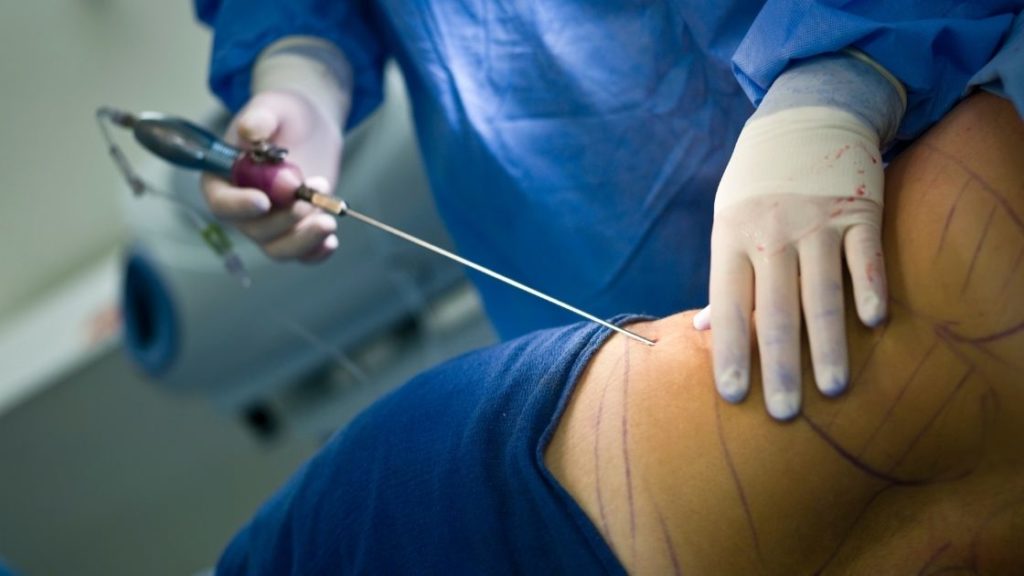
Fluid management intraoperatively is a moving target. Surgeons do use a few tricks to keep the fluid level even. The superwet technique, for instance, implies infusing a significant volume of fluid to fat strata prior to extraction. This assists in fat liberation and reduces blood loss but increases the risk of fluid overload if not properly handled.
Fluid is administered via IV, and the rate varies depending on the extent of fat removal. In large-volume cases, where more than 4 liters of fat is taken, surgeons may use formulas for maintenance fluid, the wetting solution, and 0.25 cc of IV crystalloid for each cc of aspirate beyond 4 liters.
The intraoperative fluid ratio varies with the magnitude of the procedure, with the smaller cases averaging 2.1 and the larger ones 1.4. Diligent suction and intimate collaboration keep it from drying out or pooling too much. Foley catheters may be employed to monitor urine output, an important indicator of kidney function and fluid status.
Postoperative Monitoring
Postoperative fluid balance is a team sport. Patients arrive for regular check-ups, in which the team checks for signs of edema, dehydration, or other complications. Surgeons observe urine output, vital signs, and even the tautness of the skin or variation in limb size.
On occasion, urine output is monitored via Foley catheter with a goal of 0.5 to 1 cc per kg per hour. However, this does not always correlate with liposuction volume.
| Metric | Target Range | Notes |
|---|---|---|
| Urine Output | >0.5–1 cc/kg/hr | Tracked with or without catheter |
| Fluid Intake (IV/Oral) | Individualized | Dependent on patient size and aspiration |
| Weight change | Minimal gain or loss | Sudden shifts indicate fluid imbalance |
| Skin/Tissue Swelling | Mild, symmetric | Monitored visually and by measurement |
If any indication of fluid disturbance appears, the recuperation strategies shift. That could translate to more fluids, more intensive monitoring, or in rare instances, hospitalization. The entire surgical team collaborates, providing updates and ensuring all bases are covered.
Future of Fluid Management
Fluid management post-liposuction is evolving rapidly as new concepts and techniques emerge. It’s about keeping patients safe, helping them heal well and reducing complications such as hypervolemia or hypovolemia. There remains controversy regarding the optimal fluid resuscitation during and after liposuction. This highlights the need for additional research and improved guidelines, particularly as an increasing number of patients opt for large-volume interventions.
New approaches aim to tailor fluid requirements to the individual and surgical procedure. For minor cases, such as when less than 4 liters of fat is extracted, most surgeons utilize a combination of normal fluids and an infiltrated solution beneath the skin. Once it surpasses 4 liters, some recommend administering 0.25 cc of clear fluid intravenously for every cc of fat suctioned. This acts as a buffer to save the body from losing too much fluid or swelling up from too much.
One method being utilized to verify appropriate fluid administration relative to fat removed is the intraoperative fluid ratio. This assists in monitoring safety throughout the entire surgical procedure. The technique you choose matters just as much. The superwet technique employs a fluid cocktail, typically containing epinephrine, equal in volume to the fat being aspirated.
The tumescent technique takes it a step further and injects even more fluid, drowning the region until it’s swollen and taught. These techniques constrict blood vessels, reduce hemorrhage, and facilitate liposuction. The dry technique bypasses the extra fluid but can lead to a blood loss of 25 to 40 percent by volume, significantly more dangerous for the patient.
Blood loss with current fluid techniques is significantly lower, typically only 1-4% of what’s removed. This still requires diligent monitoring to prevent complications such as hypovolemia and fluid overload. The concentration of epinephrine in these fluids is important as well, given that the maximum safe dose is under 0.7 mg per kilogram. Overdosing can cause heart and blood pressure problems.
As more surgeons perform larger liposuction cases, the dangers of both low and high fluid levels are more valid. This requires improved collaboration between physicians and nurses, more tailored patient protocols, and intelligent application of innovative technologies and concepts to monitor and modulate fluids during surgery and recovery.
Conclusion
Proper fluid balance following liposuction maintains healing on course. Swelling, thirst, and fatigue can develop if fluids are too low or accumulate too much. Looking for these signs gets a problem detected quickly. Every body responds in its own unique way, so attentive care and transparent discussions with the treatment team count. Surgeons monitor and innovate to ensure that every patient recovers well. New tools and smarter plans aim to make this safer and smoother for everyone. At the forefront of my mind is proper hydration following liposuction and maintaining fluid balance post surgery. Being engaged and active in your own care helps you heal strong and steady.
Frequently Asked Questions
What is fluid balance after liposuction?
Fluid balance has to do with not retaining too much fluid after liposuction. This avoids issues and promotes an easy recovery.
Why is monitoring fluids important after liposuction?
Keeping an eye on your fluids will help the medical team avoid dehydration or fluid overload, which can lead to swelling, delayed healing, or other complications.
What are signs of fluid imbalance post-surgery?
Common symptoms are swelling, dizziness, rapid heart rate, or trouble breathing. Call your doctor if you experience these symptoms.
How do doctors manage fluids after liposuction?
Doctors track your intake and output, administer IV fluids as necessary and provide you with guidance on how to remain hydrated while at home.
Are some patients at higher risk of fluid imbalance?
Yes. Those with heart, kidney, or liver conditions may be more at risk. Your surgeon will take these into account pre-op and post-op.
Can patients help maintain fluid balance at home?
Yes. Listen to your doctor, hydrate appropriately, and observe for any abnormal swelling or tension.
What is the future of fluid management in liposuction?
Fluid monitoring post-surgery is critical for patient health and new methods and technology are making it safer and more accurate.
 /
/ 