

Diastasis Repair vs. Liposuction: Which Procedure Is Right for You?
Key Takeaways
- Diastasis repair and liposuction address different concerns. Diastasis repair focuses on muscle separation and core function, while liposuction targets excess fat removal and body contouring.
- Where diastasis repair is for feeling better functionally, like having a stronger core or improved posture, and liposuction is for reducing stubborn pockets of fat.
- Which one is right for you depends on your specific anatomy, goals, and health considerations. It’s crucial to consult with a qualified healthcare professional.
- Recovery, costs and risks can be different for the two procedures, so it is important to have realistic expectations and plan accordingly.
- Stacking the two procedures can provide a more comprehensive transformation and should be personalized to each individual by an experienced surgeon.
- Technological advances keep improving both procedures, providing safer, less invasive options and speedier patient recoveries.
Diastasis repair and liposuction are two different ways to alter the appearance and contour of the abdomen.
Diastasis repair reunites separated abdominal muscles, usually post-pregnancy or weight shifts. Liposuction removes fat cells beneath the skin, but does not repair muscle separation. Each has its own objective and process.
To find out which is right for you, here’s what each of these procedures does and how they work.
Foundational Differences
While diastasis repair and liposuction may look similar from an external perspective, they correct different issues and employ different techniques. Diastasis repair is a surgical remedy for abdominal muscle separation, predominantly occurring post-pregnancy or significant weight gain. The procedure stitches the separated muscles back together, restoring strength to the core.
Liposuction, meanwhile, is a cosmetic surgery that removes fat from specific locations on the body, like the abdomen, hips, or thighs. It doesn’t even affect the muscle. There are foundational differences: the primary objective of diastasis repair is restoring functionality and support, whereas liposuction’s focus is on altering the body’s appearance by eliminating resistant fat.
The Muscle Problem
Diastasis recti occurs when the left and right sides of the abdominal muscle separate, typically post-pregnancy. It can occur to anyone, including men or older adults with significant weight fluctuations. Once the gap exceeds 2.7 cm, it becomes more difficult for the core to function properly. This can result in back discomfort or pelvic problems.
Healing diastasis is not just about restoring appearance. The surgeon re-approximates the muscles so your core can support your body. This matters as weak cores may result in bad posture, pain, or even hernias.
Once the muscles are set, it’s easier to move, to lift, to stay active. A lot of people experience less pain and an increase in balance. Repairing the split can prevent larger issues from arising down the road, like chronic back pain or bladder incontinence.
Tummy tucks, the fix for diastasis recti, are not fast. They require longer recovery than liposuction. For those with big muscle deficits, the advantages are worth the downtime.
The Fat Problem
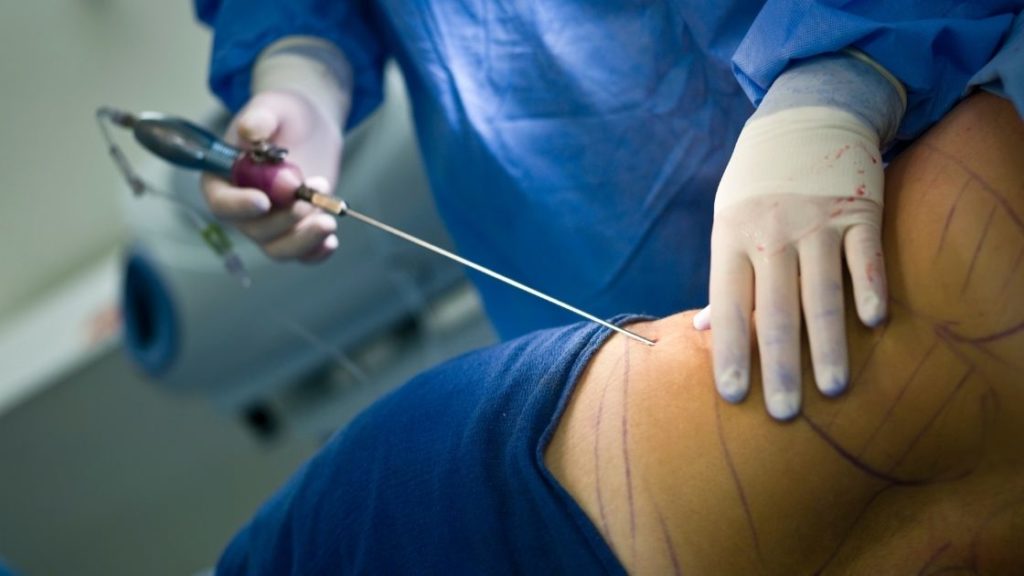
Liposuction addresses the fat that clings when diet and exercise fail. Doctors make little incisions and use a tube, a cannula, to vacuum the fat. This works best for individuals near their ideal weight who have stubborn bulges they want eliminated.
Liposuction doesn’t repair loose muscles or stretched skin. It won’t make the foundation stouter or assist with problems such as back pain from muscle imbalances. It’s for shaping, not for foundational health.
Most folks recover more rapidly from liposuction than from larger surgeries such as tummy tucks. The cuts are tinier and involve less tissue work. Liposuction is most effective for individuals with firm skin and minimal muscular issues.
Liposuction and tummy tucks can enhance the appearance of the belly. Only tummy tucks repair the muscle. Liposuction is laser focused on removing the fat and does not correct what’s below.
Choosing Your Path
Diastasis repair or liposuction — it’s not just about aesthetics. It’s about knowing your body, your goals, and the logistics of each alternative. Both address distinct requirements, and which is appropriate depends on your physiology, habits, desires, and budget.
1. Your Anatomy
We’re all built differently. Depending on how the fat lies on your frame or how strong your hardcore muscles feel shifts, which makes sense. If your primary issue is loose skin or diastasis, an abdominal gap that can be wider than 2.7 cm, diastasis repair or a tummy tuck address the issue at its source.
If you’ve got tight skin and want to whittle away areas of stubborn fat, liposuction usually works best. Muscle tone is crucial. Others have back pain or a split core from separated muscles, which is common after pregnancy or significant weight loss.
That’s when diastasis repair is more than cosmetic; it’s functional. Prior health concerns such as diabetes or autoimmune may affect healing and should be addressed with your physician.
List of anatomy points for your provider:
- Muscle separation width
- Skin elasticity
- Fat distribution
- Core strength
- Any previous surgeries or conditions
2. Your Goals
Select your destination from the outset. Are you looking for a flatter tummy, firmer skin, or simply less fat in one area? Liposuction is ideal for sculpting. It doesn’t repair loose skin or muscle diastasis.
Diastasis repair reclaims your core and can restore function and aesthetics. For others, it’s a desire to just feel stronger and be able to move without pain. Some just want their clothes to fit better or to feel more confident by the pool.
Get your priorities in sync with the process. A dose of reality helps. None of these alternatives are a solution for a healthy life. Those who maintain balanced nutrition and activity tend to retain their results for years.
3. The Procedure
Diastasis repair is performed under anesthesia. A cut is made, typically low on the belly, and the surgeon re-approximates the muscles. Occasionally, surplus skin is excised during a tummy tuck.
Liposuction employs a thin tube to suction fat from targeted areas. It is usually simpler, with minor lacerations and faster turnaround times being offered. Both require experienced hands.
Select a surgeon who has extensive experience in the exact surgery you desire.
4. The Aftermath
Anticipate some swelling, soreness, and downtime. Liposuction typically allows patients to return to light duties in a matter of days. Diastasis repair or tummy tuck can require 2 to 4 weeks. The larger the muscle tear, the longer the healing.
Typical side effects are bruising, numbness, or fluid collection. Pain can be controlled with medication and light exercise. Listen to your doctor’s recommendations on rest and wound care.
5. The Cost
Diastasis repair is typically more expensive, particularly if done in conjunction with a tummy tuck. Liposuction is typically charged by areas treated. Typical fees can begin in the low thousands of USD or euros.
| Factor | Diastasis Repair | Liposuction |
|---|---|---|
| Typical Cost | Higher | Lower per area |
| Insurance Coverage | Sometimes (medical) | Rarely (cosmetic) |
| Extra Fees | Anesthesia, aftercare | Compression wear, meds |
Include all costs, including consults, anesthesia, and check-ups. Certain insurances assist if the fix is medically required. Budget for the entire process.
Functional Restoration
Functional restoration is a primary objective in diastasis recti treatment. The diastasis repair functionally restored the separated abdominal muscles. This assists the core to return to its normal support and stability. Not a beauty fix, functional restoration is aimed at more than appearances.
A stable core is key for healthy movement and balance and day-to-day comfort. When your abdominal muscles are weakened or split, simple things like lifting, standing, or walking can become more difficult. Ignoring muscular separation can result in permanent weakness, and studies prove the gap frequently persists for years if not addressed.
Following functional restoration surgery, patients experience gradual increases in strength and posture as muscles recuperate and swelling subsides.
Benefits of restoring core function include:
- Better support for the spine and internal organs
- More ease with lifting, bending, and other daily movements
- Lower risk of injury or strain during physical activity
- Improved posture and balance
- Reduced discomfort or pain from muscle weakness
- Enhanced confidence in daily life
Over the long term, repairing muscle separation safeguards your health. It prevents chronic back pain, posture issues, and activity restrictions that frequently accompany untreated diastasis.
Core Strength
Your core is required for maintaining proper posture and preventing injuries, particularly to your lower back. Weak core muscles from diastasis recti can leave you feeling unsteady when standing tall or balanced. Functional Restoration Diastasis repair unites the split muscles, so they can work as one once more, enhancing strength and control across the entire core.
Liposuction removes fat but doesn’t push muscles back together or close the gap. It transforms the way the belly looks but doesn’t do a thing for strength or support. Diastasis repair patients can maximize their surgery the most by incorporating core work after you’ve healed. These moves rebuild muscle and maintain results long-term.
Back Pain
Weakened core muscles cause more strain on your back, making pain more likely. Diastasis recti can leave your patients with lingering aches or soreness, particularly with heavy lifting or movement. By fixing the muscle separation, you can restore support that may relieve or even eliminate back pain associated with weak muscles.
Liposuction doesn’t repair the muscle problem, so it can’t assist with this kind of pain.
Back pain considerations:
- Seek help if pain limits movement or daily tasks
- Post-pregnancy muscle weakness can persist for months or years.
- Early treatment can prevent long-term discomfort
- Always follow post-surgery guidelines to aid recovery
Posture
Powerful core muscles keep the spine and pelvis where they belong, allowing the body to move fluidly and with reduced stress. Post diastasis repair, folks tend to stand taller and sense greater stability. Good posture isn’t just a looks-er; it can boost your self-confidence and reduce the likelihood of muscle pain or fatigue.
Liposuction doesn’t provide structural support, so it will not assist with posture in isolation. Exercises – I can’t stress enough the importance of practicing good habits, such as sitting up straight and not slouching, to maintain post-operative results.
These habits keep muscles performing optimally and reduce the risk of diastasis returning.
The Combined Approach
Combined approach for diastasis recti repair and liposuction for those who want both a stronger core and smoother shape. By surgically repairing muscle split and removing fat with liposuction, patients can achieve more comprehensive transformations.
For those who have a gap in the linea alba, the tissue between your stomach muscles, measuring more than 2 cm wide, this can help repair the split and restore strength to the belly. Surgeons typically utilize methods such as rectus plication, where they suture the muscles together, or fascial repair, which restores deeper layers. Any loose skin or old C Section scars can be excised at the same time, so it works for both aesthetics and comfort.
Minimally invasive instruments such as laparoscopy or endoscopy are frequently employed, resulting in tinier incisions and speedier recovery. This is great news for those who prefer less time off work or out of life. For others, such as those who had other belly surgery or whose skin is very stretched, the combined approach provides a more robust solution than either treatment alone.
It addresses both the inside issue of split muscles and the outside one of excess fat and skin. When both are treated together, results tend to appear more polished and consistent. For instance, even a patient who undergoes liposuction alone would still have a bulge if the muscles remain split. Working the muscles simultaneously ensures that the belly appears flatter and tenses firmer.
Every patient’s body is unique. Some may have loose skin from having a baby, some from weight loss. Others have ancient battle wounds or stretch marks that irritate them. A nice plan should suit each person’s physique, requirements, and desires.
The trick is consulting a top-notch surgeon who is experienced with both diastasis repair and liposuction. This pro will see if your belly gap is too big, if you have other problems like loose skin or scars, and what combination of surgery would work best. They might propose repairing muscle and skin, then including liposuction to contour the region.
This strategy frequently yields superior long-term outcomes, with the majority of patients enjoying significant improvements in fundamental strength and everyday motion six to twelve months post-operative.
There’s danger, even with caution. Around 1.2% of individuals can experience fluid collection, infection, or hematoma. Popular minimally invasive repair studies report only around 2% of the issue recurring after a year or more. These figures demonstrate that, for the appropriate individual, the hybrid strategy is secure and functions effectively.
Realistic Expectations
Knowing what you can expect from diastasis repair and liposuction establishes a definite direction for fulfillment. Both can alter your body’s appearance, but results vary based on factors such as body type, healing speed, and general health. A solid relationship with your surgeon is crucial; they can walk you through what is and isn’t possible for you.
Thinking through realistic objectives, understanding what is possible, and planning for a complete burnout recovery season are major factors in success. For most people, change will occur, but it’s not immediate, and the path is individual.
Surgical Scars
Each surgery results in a scar, and diastasis repair and liposuction are no exception. Diastasis repair tends to leave a longer scar, often low on the abdomen, similar to a standard C-section scar. Liposuction scars are smaller, about a couple of millimeters, and rest close to the areas where the fat is extracted.
What scars look like after they heal can differ depending on your skin tone, age and the healing process of your body. Some will find that their scars dissipate nicely, and others will observe more persistent marks.
There’s not a whole lot you can do. Taking good care of incisions, keeping them clean, and using silicone sheets or creams can aid scars in blending in over time.
Lasting Results
Results from diastasis repair tend to be more long-lasting if you maintain a healthy weight and stay active. Regarding realistic expectations, liposuction removes fat cells, but if you gain weight, the results will diminish. Eat well and move every day; these are the best ways to maintain your new shape!
It’s wise to wait several months, or even a year, to evaluate your final performance. The swelling and tissue changes can persist for weeks, or longer. Therefore, patience is important.
Long term success is never just about the surgery. It’s about how you treat yourself in the aftermath.
Emotional Impact
A flatter stomach or smaller waist can increase your self-image. A lot of people feel more confident or comfortable in their clothing. Some could feel ambivalent, particularly in the early months when swelling or scars linger.
It helps to be candid with your healthcare team about your expectations. Whether it is friends, family, or even a support group, having people to lean on can make a big difference as you recover and adjust.
Technological Advances
The last few years saw big changes in both diastasis repair and liposuction. Surgeons now have techniques and technology that reduce pain, scarring, and downtime. This drive for less invasive care is influencing what these treatments look and feel like for patients around the world.
For diastasis repair, surgeons employ laparoscopic and endoscopic methods. These ways translate to tinier skin incisions and decreased inflammation. Laparoscopic repair requires only a handful of tiny holes, so the scars are a lot smaller than open surgery.

Surgeons insert thin instruments under the direction of a camera to assist in coapting the muscles. Others now supplement with mesh to reinforce fragile tissue, which may decrease the risk of the defect returning. Research indicates that when surgeons adopt these techniques, the majority of patients won’t have the issue reappear six months post-op.
Innovations such as trocars and carbon dioxide gas provide a transparent working space for the surgeon to visualize and repair the muscle. Drains are frequently used to prevent fluid from accumulating under the skin, which can help stave off postoperative complications.
For liposuction, changes are evident. Mini Lipo-abdominoplasty is the answer. It combines liposuction with a mini-abdominoplasty. This translates into less edema and ecchymosis and frequently allows patients to return to work within two weeks.
Surgeons can now employ safer, more precise machines to suction fat, reducing the risk of lopsided results or damage to other tissue. Some new liposuction devices use sound waves or water jets to loosen fat before it is extracted, which can reduce swelling and discomfort.
Both processes have become increasingly hybridized. Others opt for diastasis repair and liposuction in one surgery. This saves time and reduces the inherent risks of multiple surgeries.
Surgeons leverage imaging scans, like CT and MRI, to better plan surgery, though these are not always necessary and can prove costly. These scans assist in scoping the region and can detect other problems that may require repair concurrently.
Keep current with new techniques and gadgets. It assists patients in discovering safer, more effective treatments that match their requirements and lifestyle.
Conclusion
To correct a post-pregnancy or post-weight loss protruding belly, diastasis repair and liposuction employ methodologies that are distinct. Liposuction is cosmetic surgery that removes fat and improves body contour. Liposuction eliminates subcutaneous fat for a more slender appearance. Each produces a different outcome. Some do one, some do both to get rockin’ shape. Doctors now have safer tools and more innovative means to facilitate faster healing and smaller scars. To choose the best route, consult a surgeon that’s an expert in both. Real talk and real facts create a plan that suits you, your body, and your goal. Book a consult to begin yours and see what works best for you.
Frequently Asked Questions
What is the main difference between diastasis repair and liposuction?
Diastasis repair addresses separated abs, usually post-pregnancy. Liposuction removes fat but doesn’t fix a muscle. Each treats different issues.
Who is a good candidate for diastasis repair?
Individuals with abdominal separation, typically post-pregnancy or substantial weight loss or gain, can gain from diastasis repair. A doctor’s exam will tell.
Can liposuction correct muscle separation?
No, liposuction just removes fat. It does not repair separated abdominal muscles. Diastasis repair is needed for muscle restoration.
Is it possible to combine diastasis repair and liposuction?
Yes, some patients have had both procedures. This combined approach can repair muscle function and contour the abdomen simultaneously. See a good surgeon to find out.
How long is recovery for each procedure?
Recovery from diastasis repair can take several weeks. Liposuction recovery tends to be shorter, typically a couple of days to two weeks. YMMV.
Are the results of diastasis repair permanent?
Yup, if you keep your weight stable and live healthy, results last. Major weight fluctuations or pregnancies in the future can impact results.
What are the benefits of new technologies in these procedures?
New surgical techniques and tools provide less pain, more rapid recovery, and better results. Check with your surgeon about the newest advances for your situation.
 /
/ 