

Butt Shaping After Weight Loss Drugs: Causes, Options, and How to Restore Volume
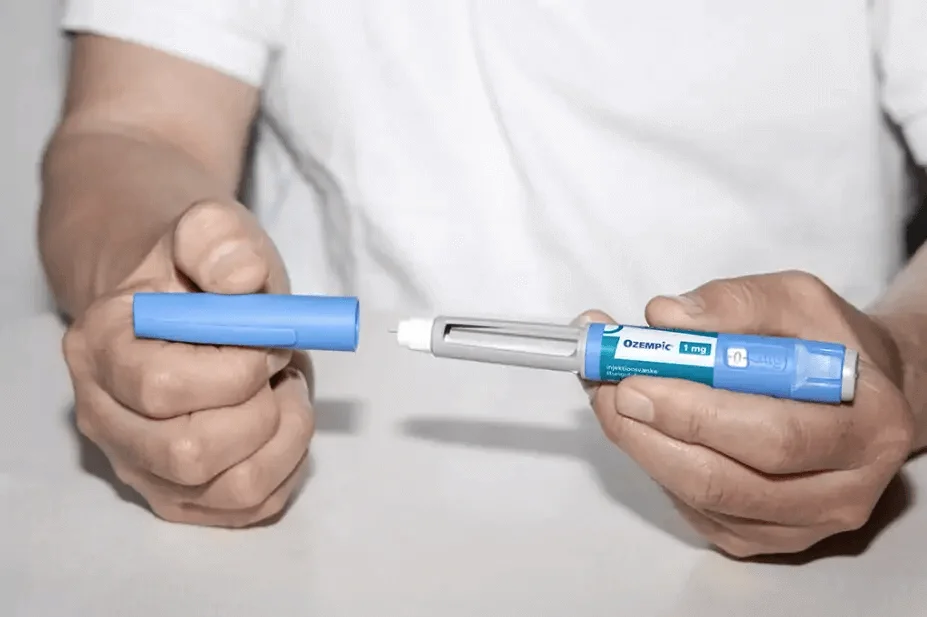
Key Takeaways
- GLP-1s and any weight loss drug can cause systemic fat loss that deflates your butt volume and leaves flattened or sagging buttocks. So anticipate proportion changes, not spot reduction.
- Want to preserve and rebuild gluteal muscle after weight loss drugs to improve shape, support hip stability, and mitigate deflation.
- Support your skin’s recovery by staying well hydrated, eating collagen-promoting nutrient-dense foods, and using topical agents when appropriate. Severe laxity may require professional procedures.
- For those patients seeking lower-risk volume restoration and skin tightening with minimal downtime, non-surgical options like dermal fillers, biostimulators and energy-based devices provide great options. Combining treatments often leads to superior results.
- Surgical solutions such as implants, lifts or fat grafting provide more dramatic and enduring contour alterations and demand diligent surgeon selection and realistic expectations regarding risks and downtime.
- Address psychological impact with setting realistic, measurable objectives to track progress and professional support if body image preoccupations or distress interfere with daily life.
T shaping after weight loss drugs refers to methods used to restore or improve gluteal shape after drug-induced fat loss. It spans workout regimens, focused resistance training, minimally invasive interventions, and customized diets to promote musculature.
These methods differ based upon age, pre-existing musculature, and drug influence. Most people couple resistance training with protein timing and progressive overload for tangible gains.
The core text discusses secure choices, timetables, and feasible schedules.
Understanding Buttock Changes
Systemic weight loss drugs like GLP‑1 agonists can cause dramatic buttock changes. Here’s how fat loss, muscle loss, and skin behavior each sculpt the final appearance. What to expect, why it happens, and how to minimize it.
Systemic Fat Loss
Tock changes Fat loss from these meds is not local. When the body burns fat, it draws from multiple stores, including the buttocks, abdomen, and legs. The buttocks frequently decrease in size, as do these other regions.
Decreased subcutaneous fat diminishes the roundness and cushion of the gluteal region, potentially resulting in a flat or deflated appearance. Rapid or large fat loss can alter body proportions. For instance, a girl with wider hips might feel her lower body is no longer proportionate with her torso after losing fat.
Cellulite may become more apparent as fat pockets decrease and skin hangs in a different way. Dents and dimples that fat used to fill in might become more pronounced. Patients frequently comment on how their clothes feel different. For example, their pants may gape at the waist while the seat sags down lower.
This is clinically anticipated because appetite and metabolism-lowering drugs aren’t designed to affect specific fat deposits. Preparing for buttock changes prior to treatment aids staged dosing, slower weight loss targets, or coupling medication with strength work to maintain volume where preferred are strategies.
Muscle Atrophy
Fast weight loss can be muscle loss, not just fat, and the gluteal muscles — gluteus maximus, medius, minimus — are vulnerable without dedicated resistance work. When these muscles atrophy, the buttocks lose their lift and contour.
Muscle loss impacts posture and gait, as less powerful glutes cause the hips to wobble and place more strain through the lower back and knees. Fighting the muscle atrophy demands scheduled resistance training emphasizing squats, deadlifts, hip thrusts, and unilateral work two to three times a week.
Protein intake matters: aim for a sustained protein supply to support repair and growth. Even small amounts of resistance work maintain tone and keep your buttocks in shape as you lose weight.
Skin Elasticity
Skin elasticity determines how well the buttock skin will retract after losing fat. Age, heredity, sun and smoking history, and how quickly you lost the weight all diminish the skin’s rebound capacity.
When elasticity is poor, loose skin or ptosis becomes apparent and often cannot be corrected by exercise. Mild laxity can respond to skin-focused measures: adequate hydration, a protein-rich diet, topical retinoids to encourage collagen, and noninvasive treatments like radiofrequency.
Moderate to severe laxity might be best suited for surgical options like a lift.
Natural Reshaping Strategies
Natural reshaping strategies are your saving grace when it comes to rescuing butt shape post-weight-loss drugs. They function by restoring muscle, enhancing skin quality and evening out your body composition. They take time and consistent dedication to produce. If you’re looking for a major amount of loss, then surgery might be the better bet.
1. Strategic Nutrition
Protein is important to let your muscles repair and grow in the glutes, of course! Aim for 1.2 to 2.0 grams per kilogram of body weight depending on activity level. Add in some good fats, such as omega 3 sources like oily fish, walnuts, and flaxseed, to promote tissue integrity and hormone balance.
Hydration is essential; shoot for at least 2 to 3 liters throughout the day, more if you are in a hot climate or exercising vigorously. To help collagen and muscle recovery, think vitamin C-rich fruits, bone broth or collagen peptides, zinc foods like legumes and seeds, and iron sources to keep up energy.
Strategize your meals, making sure to include a protein, complex carb, and vegetable at each sitting, not only to avoid losing more muscle but to maintain energy. If you’re counting calories, use an easy meal journal and aim for a relatively low number that promotes gradual weight maintenance, not additional loss.
2. Glute-Focused Training
Prioritize compound moves: squats, lunges, deadlifts, hip thrusts, and step-ups directly load the glutes and build volume without bulk when programmed correctly. Insert accessory work—glute bridges, clamshells, leg raises—with resistance bands to target smaller stabilizers and sculpt the outer hip.
Use progressive overload: increase weight, reps, or time under tension gradually over weeks. Aim for two to four glute sessions per week with three to five sets of six to fifteen reps depending on your goal.
Maintain a workout journal to record weights, sets, and subjective effort. Resistance machines and bands assist the med-drop returnees who need to reintroduce controlled loading with reduced joint strain.
3. Smart Cardio
Opt for low-impact cardio such as cycling, rowing, or incline walking to help minimize glute catabolism while enhancing cardiovascular health. Interval training one to two times weekly will increase your metabolism and help to redistribute fat without resorting to long, steady state sessions that might eat away at your muscle volume.
Alternate cardio and strength days so your body has time to recover and so you don’t risk losing hard earned glute mass. Listen to your body and cut back on cardio if you notice undesired shape loss.
4. Recovery Protocols
Rest days and a consistent sleep schedule of 7 to 9 hours are crucial for muscle reconstruction and tissue healing. Light stretching, foam rolling, and the occasional massage can relieve tightness and encourage blood flow to the glute-sphere.
Be wary of overtraining symptoms like lingering soreness or declining performance, and seek a physical therapist’s advice if you experience joint pain or muscle imbalances. Collagen-stimulating devices, such as radiofrequency, plasma, and ultrasound, can assist with mild to moderate skin laxity but won’t substitute for lost volume.
Non-Surgical Interventions
Non-surgical interventions may resolve volume loss and mild-to-moderate skin laxity and contour changes of the buttocks following weight loss medications. These methods are appropriate for patients seeking lower-risk, lower-downtime treatment or who don’t have sufficient fat for grafting. Most treatments are effective in combination and often require several sessions to achieve and maintain results.
Dermal Fillers
- Injectable fillers replace volume and contour sagging buttocks. These range from synthetic fillers to fat grafting with donor fat cells. Fat grafting still qualifies as a minimally invasive injectable method when performed in small quantities. It can feel natural but needs donor fat and may require multiple sessions.
- Fillers provide instant conspicuous change with local anesthesia and no general anesthesia. Patients often walk out that day and resume activity quickly.
- Top candidates have localized volume loss versus redundant loose skin. When there is little fat to graft, synthetic fillers offer a plumper look without lipo harvest.
- Risks consist of asymmetry, lumping, infection, or allergic reaction. Maintenance is required; numerous fillers resorb in months to years, so replications are frequent. Thoughtful provider selection and staged injections minimize issues.
Biostimulators
Bio-stimulators such as Sculptra work by stimulating new collagen over time to firm and lift tissue. These are best for mild skin laxity and textural enhancement, not immediate volumizing. Multiple sessions weeks apart create a cumulative effect, so patients should anticipate change over months.
Monitor your results through before-and-after photos to capture gains in elasticity and contour. Side effects tend to be mild, including bruising, swelling, or small nodules, which can be dealt with by massage and follow-up.
Energy-Based Devices
Energy-based devices utilize focused ultrasound, radiofrequency, or combined technologies to tighten and remodel tissue. Ultherapy (focused ultrasound), Morpheus8 (radiofrequency microneedling), BodyTite (internal radio frequency), Renuvion (plasma-assisted) and other office-based platforms are great for mild to moderate sagging and cellulite.
FOR NON-SURGICAL INTERVENTIONS, EmSculpt Neo and CoolTone target muscle tone. EmSculpt Neo layers on RF fat reduction and CoolTone supports muscle preservation and strengthening during weight loss. With minimal or zero downtime, treatments can be combined with targeted exercise regimes to optimize firmness and lift.
Not all devices are effective for large-volume or severe post-weight-loss laxity, and candidacy is based on skin thickness as well as degree of excess. Several sessions and a mixed strategy will frequently deliver the best, most long-lasting result.
- Combine fillers, biostimulators, and energy treatments for enhanced contouring.
- Monitor outcomes, avoid over-treatment, and plan maintenance.
- Prevention plans during medical weight loss maintain buttock volume and shape.
Surgical Contouring Options
Surgical contouring options tackle loss of volume, excess skin and shape-shifting following a large weight loss. These methods can bring back lift, refine contour, and deliver lasting outcomes when non-invasive options fall short. Patient history, donor tissue availability, skin quality and goals dictate the appropriate mix of procedures.
Buttock Augmentation
Silicone buttock implants augment size and recontour a flattened buttock. Implants are helpful when you either don’t have enough donor fat for a graft or desire a more dramatic change immediately. It entails incisions, usually in the intergluteal crease or a concealed lateral location, and implants that are inserted beneath the gluteal muscle or above the gluteal muscle depending upon anatomy and surgeon preference.
Complications include infection, implant migration, chronic pain, contour deformity, and noticeable scarring. Post-operative care emphasizes wound hygiene, no pressure on the implants, and gradual return to sitting and exercise as directed. Selecting a surgeon with dedicated implant and gluteal experience decreases complication rates and enhances results.
Buttock Lift
A buttock lift takes away extra skin and repositions tissues to elevate a drooping posterior. It’s especially good for those with skin laxity following massive weight loss or bariatric surgery. This lift can be short or long and often combines with auto-augmentation techniques using local tissue to create additional volume and fullness.
For a coordinated body contour result, many patients combine a buttock lift with a tummy tuck or lower body lift. A tummy tuck generally requires a minimum of two weeks of initial downtime and exercise limitations for six to eight weeks. Tock lift recovery might involve drains, staged wound care, and limited activity to safeguard sutures and healing.
Fat Grafting
Fat grafting, known as the BBL or Brazilian Butt Lift, harvests fat from donor locations like the stomach or thighs and injects it into the buttocks. This approach gives a dual benefit: slimming donor areas and adding gluteal volume. Sufficient donor fat is needed and some grafted fat won’t survive, so final volume can fluctuate over months.
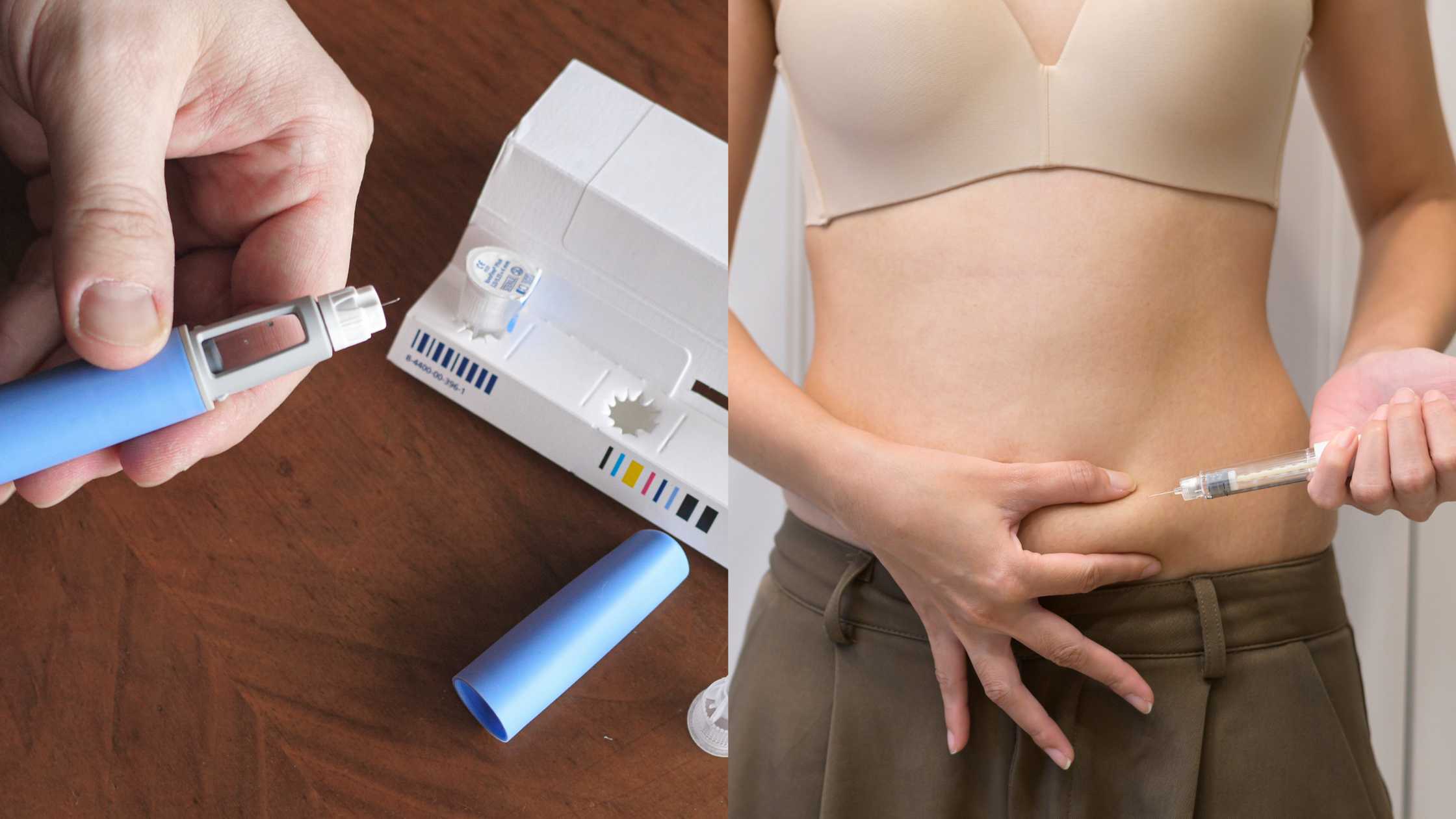
There are risks associated with the procedure, including fat embolism if the injections are too deep, contour asymmetry, and inconsistent fat retention. Renuvion and other adjunctive skin-tightening tools can be employed under the skin to tighten tissue and bolster results. An experienced surgeon who customizes a plan based on the patient’s weight loss history, donor availability, and goals is paramount for safety and natural results.
| Procedure | Features | Pros | Cons | Typical Recovery |
|---|---|---|---|---|
| Implants | Silicone placed under/over muscle | Predictable volume, dramatic lift | Infection, shifting, scar | 2–6 weeks limited activity |
| Lift | Skin excision and tissue reposition | Restores shape after laxity | Scars, longer healing, drains | 4–8 weeks staged recovery |
| Fat grafting (BBL) | Autologous fat transfer | Contour donor sites, natural feel | Variable retention, safety risks | 2–6 weeks reduced sitting |
The Psychological Impact
Weight loss from drugs or surgery alters more than just weight. Patients can find their buttock shape does not align with expectations and this change can permeate into self-image, mood, social life and day-to-day function. These psychological ramifications vary from feeling relieved and proud to feeling distraught, anxious, or hyperfocused on flaws.
These responses are influenced by the rate of weight loss, the degree of excess skin, pre-existing mental health, social feedback, and societal body shape ideals.
Body Dysmorphia
Body dysmorphia is an unhealthy obsession with a defect, like sagging or flat buttocks, that others don’t even see. Red flags are incessant mirror-checking, photo or event avoidance, comparing yourself to others, and multiple cosmetic procedures despite objectively successful weight loss.
Social media can exacerbate these concerns by presenting airbrushed or stylized images and through the dissemination of phrases such as ‘Ozempic butt’ that shame natural diversity. Weight stigma from peers or health systems increases pressure and can compound shame.
Cultivating a more positive body image begins with regular self-care, reasonable self-evaluations, therapy if necessary, and actionable measures such as emphasizing functionality, how clothes fit or feel, versus appearance alone.
Unmet Expectations
Medical weight-loss treatments won’t give you the derriere shape people anticipate. Non-surgical solutions such as focused workouts or fat transfer have their restrictions. Contour lifts surgically can help but depend on anatomy and skin quality.
Know the limits: skin elasticity, scar risk, and healing time all matter. Bariatric surgery patients frequently deal with excess skin and reduced mental quality-of-life scores, fueling appetites for contouring.
Record what you anticipate and what the doctors suggest. Maintain pre-and-post photos and notes in order to measure results. This history helps calibrate plans going forward and diminishes thrashing, expensive efforts to pursue a fantasy.
Setting Realistic Goals
Set realistic butt reshaping and contouring after weight loss goals. Add health and function as goals, not just appearance. Follow these steps to build a plan:
- Assess baseline: measure weight, skin laxity, and muscle tone. Take photos from multiple angles.
- Consult specialists: get opinions from bariatric, plastic surgery, and mental health providers.
- Choose interventions: list non-surgical and surgical options, expected changes, risks, recovery time, and cost.
- Set milestones: short-term (6 to 12 weeks), mid-term (3 to 6 months), long-term (12 or more months) with specific, measurable markers.
- Reassess: review outcomes against goals and adjust the plan.
Hail every little victory: easier movement, reduced discomfort, better fitting clothes to fuel motivation.
Your Personal Blueprint
Your personal blueprint equals your genes and body make-up, and it dictates how you lose fat and gain muscle. Begin by evaluating body composition, previous dieting, and existing aesthetic issues. Use simple tools: body-fat scales, tape measures, progress photos, and a brief history of weight changes and medications.
Recognize your personal blueprint, where you hang onto fat and where it falls off first. It reveals your genetic design and establishes achievable objectives. Mark power levels and joint restrictions to discover exercises that fit you. If you employed weight loss medications and lost butt volume, note the amount of size and shape change and how quickly it occurred.
Assemble a short list of preferred interventions across three tiers: natural, non-surgical, and surgical.
Natural options: targeted resistance training, progressive overload, protein-rich nutrition, and hydration. Give examples: hip thrusts, Romanian deadlifts, split squats, and glute bridges done two to four times weekly with rising weights.
Non-surgical options: focused physical therapy, skilled injectables like fillers where appropriate, or fat grafting alternatives such as microfat transfer. Discuss with a clinician about risks and expected longevity.
Surgical options: implants or fat grafting if you need volume that exercise cannot provide. For each, list pros, cons, recovery time in days or weeks, average cost in a single currency, and probable maintenance requirements so you can compare.
Your signature treatment plan combines lifestyle, exercise, and clinical care. Start with nutrition tailored to maintain a slight calorie balance that preserves muscle. Aim for 1.2 to 2.0 grams of protein per kilogram of body weight daily and spread intake across meals.
Hydrate with sufficient water, especially at least half of your body weight in ounces daily, to keep muscles and tissues healthy. Construct a glute hypertrophy resistance program and compound lifts to spare muscle during calorie shift. Include some progressive overload, the 8 to 15 rep range, and two heavy sessions a week.
Put the non-surgical treatments between your training cycles and your surgical options when your weight hasn’t fluctuated for months. Include recovery: sleep, foam rolling, and mobility work.
Continual evaluation is crucial. Reassess every 6 to 12 weeks with pictures, measurements, strength tests, and a short symptom log for changes like “Ozempic butt.” Tweak calories, training load, or medical moves as the body twists and turns.
Maintain a basic spreadsheet of goals, interventions attempted, and results to inform future decisions.
Conclusion
Fat change with weight loss drugs shapes your butt. For butt shaping after weight loss drugs, little lifts come from focused strength work, consistent protein, and a calorie strategy. Fill and shape come from fat grafting or implants for those seeking a more dramatic transformation. Non-surgical tools like radiofrequency, focused injections, and skin-tight care help to tone and smooth. Mental health counts. Body image shifts with any change and support keeps goals real and steady.
Select steps that fit timing, budget, and risk constraints. Discuss with your trusted clinician and a certified trainer. Monitor your gains with pictures and easy stats, such as waist and hips measurements. If you need assistance constructing a 12-week plan or a selection of approved clinics and trainers, I can cobble one together.
Frequently Asked Questions
Can weight loss drugs change the shape of my buttocks?
Yes. Rapid fat loss and muscle loss from certain medications can decrease buttock volume and reshape. Your mileage differs by drug, dose, and activity level.
How can I rebuild buttock muscle after weight loss?
Emphasize progressive resistance exercises such as squats, lunges, and hip thrusts three times per week. Protein and recovery assist muscle regrowth and restore shape.
Do non-surgical treatments work to reshape the buttocks?
Some do. Dermal fillers, Sculptra, and radiofrequency or ultrasound therapies can add volume or tighten skin. Outcomes and hazards vary. Speak with a certified professional.
When is surgical contouring appropriate?
Think about surgery for major volume loss, excess skin, or when non-surgical methods fall short. These range from fat grafting, such as the Brazilian butt lift, to buttock lifts. Discuss complications with a board-certified plastic surgeon.
Will skin sagging improve on its own after weight loss?
Mild sagging can get better with time, hydration, nutrition, and exercise. Major loose skin generally requires surgical removal to make a difference.
How long before I see improvements from exercise or non-surgical treatments?
Muscle tone can get better in 6 to 12 weeks with consistent training. Non-surgical options differ; some present months-long slow-developing results. Adhere to provider schedules.
Should I consult a doctor about butt changes after medication?
Yes. Consult with your prescribing clinician and an expert, such as a dermatologist, physiotherapist, or plastic surgeon, to exclude underlying causes and map out safe, science-backed approaches.
 /
/ 