

Best Procedures for Loose Skin After GLP-1 Weight Loss
Key Takeaways
- Quick GLP-1 fat loss typically results in loose skin as subcutaneous fat recedes more rapidly than skin can tighten, with sagging influenced by age, genetics, and weight loss volume. Think about where you’re most impacted when planning your treatment.
- Best surgical procedures: They include abdominoplasty (tummy tuck), brachioplasty (arm lift), thigh lift, body lift and facelift/neck lift and are the most effective option for significant skin laxity. They work by removing excess skin and tightening underlying tissues.
- Non-surgical treatments such as radiofrequency, ultrasound, and microneedling can address mild to moderate laxity by encouraging collagen production. Anticipate several treatments and slower results compared to surgery.
- Be sure you’re ready for any procedure with stable weight for 6 to 12 months, medical clearance, and realistic expectations about scars, recovery time, and likely outcomes.
- Prepare financially by asking for itemized quotes, including surgeon and facility fees, anesthesia and follow-up care, as well as hidden costs such as travel, compression garments, and touch-ups.
Prepare for the mental and recovery needs by building support, taking time off for healing, and collaborating to manage expectations and follow aftercare steps with your care team.
Best procedures for loose skin after Glp-1 versus non-surgical and surgical options based on area and skin quality. Popular options include body-contouring surgery, skin tightening with radiofrequency or ultrasound, and targeted fat removal.
Recovery time, cost, and expected firmness differ by method and patient health. Seeing a board-certified plastic surgeon or dermatologist helps align goals to realistic outcomes and establishes a definitive treatment plan.
Why Loose Skin?
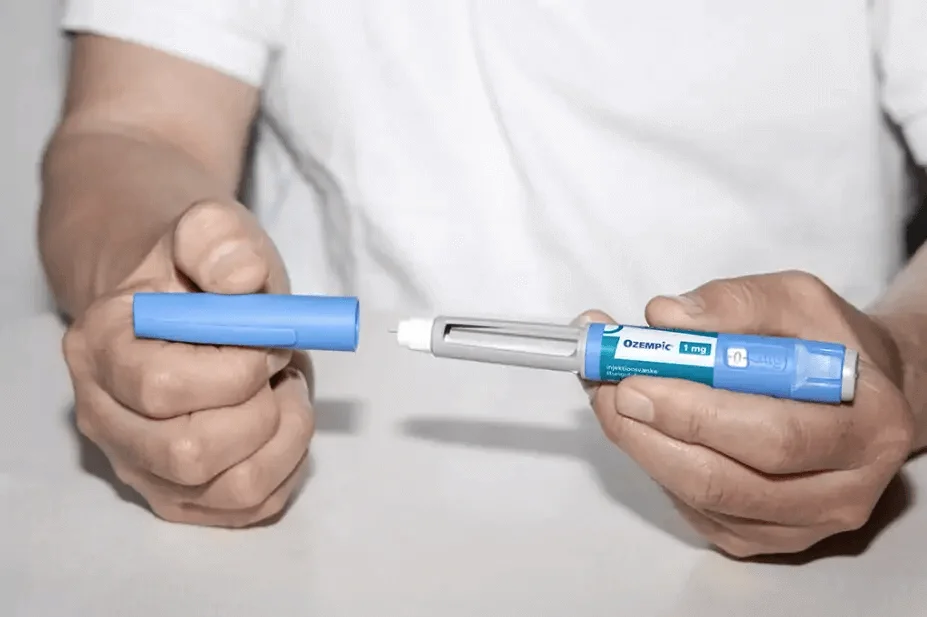
This rapid weight loss from GLP-1 drugs like semaglutide (Ozempic) and tirzepatide (Mounjaro) decreases the amount of subcutaneous fat faster than skin can adjust. Fat is a natural filler underneath the dermis, and when that filler deflates rapidly, skin that once stretched to fit a larger body shape can become loose. Collagen and elastin fibers in your dermis provide skin recoil, but they do not replace lost volume.
This yields excess hanging skin or crepe-like skin where the fat has been suctioned but the exterior layers remain loose. Age, genetics and the total amount of weight lost have a strong impact on how much loose skin shows up. Younger folk have more elastic skin due to a stronger and more remodel-capable collagen network. Your genetics influence baseline collagen quality and how easily skin springs back to its former shape.
As the amount of weight loss increases, particularly with 15 to 30 percent changes in body weight, skin is less likely to fully retract. Extended time at an elevated weight also stretches skin for years, reducing rebound after loss. Smoking, sun damage and poor nutrition degrade collagen and decelerate tissue repair, further elevating the risk of permanent sag.
Loose skin does not show evenly across the body. Common areas include the abdomen, where large fat stores and repeated stretching during weight gain and potential pregnancy make skin retraction difficult. Upper arms often develop a “bat wing” effect because the triceps region is prone to fat loss with limited skin support.
Thighs, both inner and outer, can show localized sag when leg fat decreases. The neck and jawline are sensitive to changes in facial fat and may reveal jowling or a double chin. The face itself can appear gaunt or crepey when subcutaneous facial fat diminishes, which changes facial contours and skin drape. Each area responds differently to non-surgical versus surgical options, so assessment by a clinician should be region-specific.
Loose skin following GLP-1–related weight loss is normal and common, not a failure. These drugs alter appetite and metabolic set points, resulting in weight loss that is more rapid and often more significant than many lifestyle interventions alone. That speed can outpace natural skin tightening.
Knowing loose skin comes with the territory helps you prepare for what’s next — whether that’s slow weight stabilization, focused exercise to tone underlying muscle, noninvasive skin-tightening procedures, or surgical body contouring for more severe excess.
Surgical Solutions
Surgical solutions offer the most definitive correction for substantial loose skin post-GLP-1–induced weight loss. These procedures eliminate extra skin, tighten underlying tissues, and contour the body to new weight and proportions. Here’s a rapid-fire list of typical solutions and then we’ll go into specifics of each.
Select a seasoned board-certified plastic surgeon in order to minimize complications and maximize results that last.
- Abdominoplasty (tummy tuck)
- Brachioplasty (arm lift)
- Thigh lift
- Body lift (circumferential)
- Facelift and neck lift
1. Abdominoplasty
Body contouring surgery does more than just remove excess skin. Patients who drop a significant amount of weight with GLP-1 drugs often express a reshaped body and increased confidence following a tummy tuck.
Incisions are usually low on the abdomen, extending from hip to hip just above the pubic area, which allows for scar concealment under clothing.
It is important to note that no significant weight changes should occur for several months prior to surgery. Gaining or losing weight after a tuck can reverse the results.
2. Brachioplasty
Brachioplasty addresses flabby skin on the upper arms resulting from fat loss and skin stretching. The procedure returns a slimmer, more contoured arm silhouette that many GLP-1 patients desire following accelerated weight reduction.
Surgeons, of course, love putting scars on the inner arm where they disappear when the arms are down. This procedure is best for individuals with mild to moderate looseness that has not responded to workouts or non-surgical skin tightening.
3. Thigh Lift
Thigh lifts eliminate extra skin and contour inner or outer thighs to enhance leg shape and minimize friction. These lifts are particularly useful for patients suffering from massive skin excess following fast weight loss from GLP-1s.
Surgical Solutions incisions are often concealed in the groin crease or along the inner thigh. Compression garments for post-op recovery provide support to tissues, minimize swelling, and help the skin stick to its new contours.
4. Body Lift
Body lift is a circumferential procedure that tackles the abdomen, buttocks, hips, and thighs in one or staged procedures. It’s appropriate for patients with generalized skin laxity following massive weight loss or bariatric procedures and can significantly alter overall body contour.
The tradeoff is a lengthier, more involved surgery and a recovery that has to be planned for and assisted.
5. Facelift/Neck Lift
Facelift and neck lift surgeries address facial sag and loose neck skin commonly observed following significant weight loss or ‘Ozempic face.’ These surgical solutions return jawline definition and a youthful shape to the face.
Incisions are positioned to minimize visible scarring. Surgeons sometimes combine surgical lifts with fillers or skin treatments for more complete results.
Non-Surgical Options
Non-surgical options deliver scarless, lower-risk alternatives for those with mild to moderate skin laxity following GLP-1–associated weight loss. These techniques act by inducing collagen and sometimes building muscle while dissolving fat. They are appropriate for patients who desire a more subtle transformation, are wary of going under the knife, or require upkeep from previous work.
Below we provide a numbered list describing common non-surgical treatments, followed by detailed sections on radiofrequency, ultrasound, and microneedling.
- Radiofrequency (RF) uses controlled heat to contract tissue and trigger new collagen. It is ideal for mild loosening of the face, neck, and body. This treatment is usually done in several sessions weeks apart.
There is very little downtime, as most individuals return to their typical daily routine the same day. Prices tend to be within the larger non-surgical spectrum of approximately 750 to 4,000 (currency) per treatment area, depending on the device and provider. Initial changes often appear in 4 to 6 weeks, with peak tightening at 3 to 6 months. Maintenance sessions every 6 to 12 months maintain results.
- Ultrasound: Focused ultrasound delivers energy to deeper layers without cutting the skin. It works great for facial and neck laxity, even sagging from quick weight loss. Results gradually accumulate over months as collagen develops.
The sessions are non-invasive and generally require no anesthesia. The risk of complications is low and downtime is minimal. Cost and number of sessions differ; anticipate slow improvement, not immediate lifts.
- Microneedling: Tiny needles create micro-injury to stimulate collagen and elastin. It is great for adding texture and firmness to mild loose skin on the face and lighter areas of the body.
It can be used in conjunction with topical serums or platelet-rich plasma to enhance results. Recovery is brief, with redness and mild swelling for a few days, so it appeals to those seeking minimal disruption.
- Energy-assisted fat reduction and muscle-building devices: Technologies like HIFEM+ cause thousands of muscle contractions in a session, increasing muscle mass while shrinking nearby fat.
These therapies extend skin-tightening treatments and can enhance contour where volume loss and laxity overlap. The non-surgical options are single sessions of fat reduction that sometimes demonstrate a 20 to 25 percent fat thickness reduction. Most patients resume normal activity immediately, with minor limitations for 24 to 48 hours.
- Practical considerations: Non-surgical methods are best for mild to moderate laxity and for patients seeking scarless alternatives. Expect staged results: early signs appear at 4 to 6 weeks, best outcomes occur at 3 to 6 months, and touch-ups are needed every 6 to 12 months.
Prices can vary quite a bit, so weigh them along with effectiveness and downtime in making your plan selection. Comparison table to help weigh trade-offs across treatments #Non-Surgical
Radiofrequency
Radiofrequency heats the dermis and subdermal layers to contract existing collagen fibers and initiate new collagen production. It’s good for mild laxity post-GLP-1 use, particularly on the face and smaller body areas.
Multiple sessions, usually three to six, are typical. Recovery is short and risks are low compared to surgery.
Ultrasound
Ultrasound devices direct energy deep under the skin to tighten tissue and encourage collagen. They are most applicable to facial and neck sagging, including ‘Ozempic face’.
Results emerge gradually over a few months as collagen regenerates. No scalpel or general anesthesia is necessary!
Microneedling
Microneedling utilizes thin needles to create microchannels that trigger repair and new collagen. It enhances texture, tightens, and diminishes mild laxity indications.
Pairing with topical serums or PRP can enhance results. It is ideal for facial skin and early post-weight-loss slack.
Are You Ready?
Making a decision about loose skin procedures post-GLP-1 requires more than curiosity. It requires a blunt check on readiness across practical, medical, and mental factors. Here’s a quick guide and checklist to weigh your preparation, along with some specific notes on weight stability, health, and realistic goal setting.
Checklist to evaluate readiness for cosmetic surgery or treatments:
- Weight stable for 6–12 months
- Medical clearance from primary care and relevant specialists
- No untreated nutritional deficiencies or unmanaged chronic disease
- Realistic expectations documented and discussed with surgeon
- Can you take time off work and support be arranged during your recovery?
- Medication and supplement list reviewed with care team
- Post-op wound care, nutrition, hydration, and light activity.
Weight Stability
Have maintained a stable weight for at least six to twelve months prior to surgical skin removal. Continued weight swings can stretch new scars or recreate laxity, reversing surgical gains. Track weight trends with weekly logs or a basic spreadsheet and combine that with body measurements or pictures every month to verify actual stability post GLP-1.
Achieving and maintaining your goal weight provides the surgeon with a consistent surface to sculpt and minimizes the risk of requiring revisionary surgeries.
Health Status
Get medical clearance to ensure you’re cleared for elective surgery or advanced non-surgical therapies. Take care of any chronic conditions, like diabetes, thyroid, or nutritional deficiencies, in advance, as uncontrolled disease increases infection risk and delays healing.
Quality nutrition, consistent hydration, and baseline exercise capacity are important because they accelerate recovery and reduce complication rates. Just make sure you’ve got an up-to-date list of meds, supplements, and OTCs, and share it with your care team to steer clear of any blood-thinning or wound-healing interference.
Realistic Goals
Goals for contours/skin post-treatment. Understand that processes usually involve bulk reduction and tissue tautness but seldom eliminate every fold or scar. Prepare for some residual laxity or visible scarring.
Talk about scar placement and size over with your surgeon and request before and afters from similar patients. Value the functional gains, such as easier movement, diminished chafing, and enhanced clothes fit, as much as the aesthetic shifts.
Mental readiness ties into this: reflect on whether you view “are you ready?” as a prompt for action or a rhetorical pause. Honest self-check prevents regret and supports better outcomes.
The Mental Shift
Massive weight loss and any subsequent skin removal surgeries alter more than just the body. They transform your self-image, your image to others, and your life in general. Anticipate a mental shift where your feelings about your shape, scars, and limits will morph. Consider this phase a mental shift that deserves as much focus as physical recuperation.
Brace yourself for the body image and self-image shifts post weight loss and skin removal surgery. Visualize practical scenarios: dressing for work with new contours, seeing surgical scars in a mirror for the first time, or noticing loose areas that remain. Go in with realistic expectations before surgery, looking at photos of patients with your build and their results.
Work with a clinician or counselor to map a timeline of likely stages: immediate post-op swelling, mid-term changes as tissue settles, and long-term results once healing is complete. Note specific goals — feeling comfortable in a particular style of clothing, getting back to a once-loved hobby, or feeling less anxious in public spaces. They provide milestones that help measure your progress and keep your focus tethered.

Realize that the mental shift is an important process in the whole weight loss experience. Hormone shifts, new social dynamics, and a new relationship with food and exercise all have an impact on mood and identity. Anticipate pride and relief in addition to bafflement or grief.
Former adaptive coping schemata might no longer apply. Pursue regular consultations with mental health experts familiar with body-image work. Peer groups, online or local, provide real-world validation that combats loneliness. These include journaling, mindfulness exercises to ground body awareness, and brief daily reflections on mini-victories to cultivate grit.
Prepare yourself for both the joy and the potential difficulties with your new shape and scars. Easy mobility, clothes, and health markers change for the better. Challenges tend to focus on prominent wrinkling, unevenness, or the remaining minor loose areas.
Go into scar care and realistic camouflage such as compression garments or carefully tailored clothing. When negative reactions arise, name them specifically: anger about a scar, disappointment in a contour, and approach each with a concrete step: medical review, scar therapy, or targeted strengthening exercises.
Create mental hacks to keep you confident and motivated through recovery and long after. Build a short routine that mixes physical care and mental practices: gentle mobility work, skin care, daily affirmations, and brief social outings that test new comfort levels.
Set concrete markers, such as a 15-minute walk without pain, to skirt fuzzy aspirations. If motivation lags, revisit your bullet-pointed goals from earlier and tweak them. Work with a professional, a peer group, and strategic small exposures to situations that frighten you to keep you on track.
Your Financial Plan
Your financial plan. This section outlines the expenses and logistics involved in addressing loose-skin surgeries following GLP‑1–induced weight loss. It demystifies anticipated fees, where surprise expenses lurk, how insurance can assist in uncommon scenarios, and actionable strategies to monitor expenditures so you can make an informed financial decision.
Procedure Costs
- Surgeon fees include consultation, pre-op planning, and the surgeon’s charge for the operation.
- Facility charges include operating room time, recovery room, and facility use fees.
- Anesthesia: anesthesiologist fee and drugs used during surgery.
- Post-operative care includes wound care visits, suture removal, and nurse follow-ups.
- Pre-op testing includes blood work, ECG, and any imaging required.
- Non-surgical options include radiofrequency, ultrasound skin tightening, and laser sessions, which are often billed per session and may require multiple visits.
Surgeon fees differ depending on experience and location. A board certified plastic surgeon might cost higher but includes aftercare. Facility fees reflect the type of center, such as a hospital versus an accredited ambulatory clinic. Anesthesia is typically a line item of its own.
Non-surgical treatments accumulate when repeated. For instance, six radiofrequency sessions at a clinic can add up to more than one minor surgical procedure.
Get itemized quotes that list each category. Compare two or three providers with the same item list. Inquire about package rates for multiple surgeries, such as tummy tuck and flank lift.
Insurance Coverage
The majority of skin removal following weight loss is cosmetic and not covered by insurance. Exceptions occur when skin leads to repeated infections, severe rashes, or loss of function.
Gather medical records: notes showing recurrent cellulitis, dermatology reports, photos, and prior conservative treatment attempts. Turn these in with a surgeon’s letter outlining medical necessity.
Call your insurer prior to making an appointment. Inquire about policy citations, pre-approval standards, and claim appeal channels. Get them in writing even if they say it verbally.
Hidden Expenses
Compression, scar cream, and prescription pain meds add little legitimate expense. Plan for more than one follow-up visit. Some clinics charge by the visit.
Travel and lodging: Long-distance patients should budget for hotel nights before and after surgery. Caregiver support might require paid assistance or lost wages for a relative.
Revision surgery or caring for complications can be expensive. Create a contingency buffer of at least 10 to 20 percent over quoted costs.
Long-term upkeep involves skincare, sun protection, and some touch-up treatments like filler or laser. Track expenses in a simple spreadsheet with columns: provider, date, item, cost, paid, and notes. Refresh it weekly during planning and after each charge.
| Category | Typical Range (USD) | Notes |
|---|---|---|
| Surgeon fees | 3,000–15,000 | Depends on procedure complexity |
| Facility & anesthesia | 1,000–5,000 | Hospital higher than clinic |
| Non-surgical sessions | 200–1,200 per session | Multiple sessions likely |
| Travel & lodging | 100–2,000 | Varies by distance |
| Supplies & meds | 50–500 | Garments, creams, prescriptions |
Conclusion
You slimmed down with GLP-1. Now your skin is loose. You’ve got definite routes here. Surgical choices such as body lift or neck lift provide immediate, extensive transformation. Non-surgical routes such as radiofrequency, laser and focused strength work are slow but trim risk and expense. Mentwork and moneplans keep you grounded. Choose a surgeon or clinic that displays genuine before-and-afters and transparent price guides. Monitor skin tone, body fat, and strength for three to six months for progress. Try a mix: strength training plus one clinic treatment, or surgery plus short rehab. All three options balance speed, expense, and downtime. Make your decision based on goals, health, and budget. Ready to chart your next move? Book a consult and pinpoint three must-have outcomes.
Frequently Asked Questions
What causes loose skin after GLP‑1–assisted weight loss?
Deep, fast weight loss shrinks fat volume more quickly than skin can clamp down. Age, genetics, smoking, sun damage, and time spent overweight diminish skin elasticity and exacerbate loose skin.
Which surgical procedures work best for loose skin?
Body-contouring surgeries such as abdominoplasty or tummy tuck, arm lift, thigh lift, and lower-body lift excise excess skin and tighten tissues. These provide the most radical and enduring solutions.
Are non-surgical treatments effective for mild loose skin?
Yes. Radiofrequency, ultrasound, laser, and injectable collagen stimulators can tighten mild to moderate laxity. Results are slow and are best for smaller areas or those not surgery ready.
How do I decide between surgery and non-surgical options?
Take into account skin laxity, health, downtime acceptance, scarring, and budget. Surgery options provide more powerful and permanent transformations. Non-surgical treatments have less risk and recovery, but they offer more modest results.
What should I expect during recovery from body-contouring surgery?
Plan on at least a few weeks of inactivity, swelling, pain management, compression garments, and follow-ups. The majority of patients return to routine daily activities within four to six weeks, but it may take months for full healing.
Will exercise and skincare improve loose skin after GLP‑1 weight loss?
Yes. Strength training builds muscle to enhance your contour. Hydration, sun protection, and retinoids can help promote skin quality, but they won’t substitute for surgical tightening when there is severe excess skin.
How should I plan financially for treating loose skin?
Include consult fees, surgeon or practitioner fees, anesthesia, facility fees, and recovery supplies. Check if any of the expenses are insurable, which is rare. Save or finance to fit the treatment you select.
 /
/ 