

BBL Surgery Risks: How to Recognize and Avoid Complications

Key Takeaways
- While BBL surgery can yield stunning results, the risks from fat embolism to severe infection, skin necrosis, and contour irregularities make research and risk awareness paramount for anyone considering the procedure.
- Choosing a board certified plastic surgeon who has experience with BBLs and opting for an accredited facility significantly lessens the risk of complications.
- Personal risk factors, such as your medical history, body mass index, and lifestyle choices, should be examined and addressed with your medical team prior to surgery.
- Setting realistic expectations and tackling any psychological issues, such as body image concerns or post-surgical depression, can help facilitate a healthy recovery.
- Adhering to post-op care guidelines, watching for abnormal signs, and making every follow-up visit will be essential for securing the best recovery and outcome.
- Being an active participant in your surgical journey with an inquisitive approach, procedural know-how, and safety prioritization can help make this a positive and informed experience.
BBL surgery risks and avoiding them require understanding complications such as fat embolism, infection, and lopsided contour. Others could experience pain, swelling, and delayed healing.
Choosing a board-certified surgeon, adhering to aftercare instructions, and disclosing medical history reduce risks. Safe techniques and candid conversations with your surgeon produce superior outcomes.
The second discusses some important advice and information for safer BBL surgery from an evidence-based perspective.
Understanding BBL Risks
BBL surgery is one of the fastest growing cosmetic procedures in the world. It comes with some serious risks. BBL’s complication rate is higher than most other cosmetic surgeries and it has a mortality rate of more than one in every 4,000 procedures. Among thousands still selecting fat transfer annually, being informed about complications and their warning signs can make a significant difference in safety and results.
- Fat embolism, severe infection, skin necrosis, asymmetry and anesthesia complications are the main risks. Fat embolism occurs when fat enters the bloodstream and blocks blood vessels, typically in the lungs or brain, and it can be fatal if not treated immediately. Serious infections can invade the incision or injection sites and spread rapidly, causing sepsis.
Skin necrosis happens when the skin loses its blood supply and dies, frequently resulting in scars or suboptimal outcomes. Asymmetry or poor contouring is inevitable when fat is injected unevenly. Anesthesia complications, though less frequent, may involve allergic reactions or issues with breathing and heart function.
1. Fat Embolism
Fat embolism is the most fatal risk of BBL. It occurs when fat is injected too deeply and enters blood vessels, where it can then travel to the lungs or brain. Sudden shortness of breath, chest pain, confusion, or fainting are warning signs. This can happen within minutes or hours post-surgery.
These symptoms require prompt emergency care. Surgeons today perform BBLs with safer methods, such as abstaining from fat injections beneath the muscle, and new legislation is being enacted to enhance patient safety. Patients should inquire with their surgeon about their method and experience.
2. Severe Infection
Dangerous infections can arise days after the procedure. Redness, pain, swelling, pus, or fever could all indicate an infection is setting in. Maintaining the surgical site clean and following hygiene instructions strictly reduces this risk.
Light walking aids circulation, but patients must avoid anything strenuous for six weeks. Once infection symptoms appear, immediate medical attention is crucial. Postponing therapy may cause a minor issue to become serious.
3. Skin Necrosis
Skin necrosis is the death of an area of skin from lack of blood. It frequently resembles dark, discolored patches that are slow to heal. Persistent pain or open wounds are other symptoms.
Good blood flow is required for healing, which is why surgeons need to be cautious with fat injection. Patients should discuss with their surgeon how to avoid this complication. Skin necrosis does not only cause scarring and can destroy the final appearance, it often requires additional treatment.
4. Asymmetry and Contour
Asymmetry occurs if the fat isn’t distributed evenly or if it’s reabsorbed unevenly. One side may appear bigger or shaped differently. Being realistic about your goals and discussing your body type with your surgeon manages expectations.
If for some reason things don’t turn out as you expected, then an ensuring procedure might correct the issue. Selecting a talented surgeon is the surest way to steer clear of these problems.
5. Anesthesia Complications
Anesthesia risks include mild nausea and rare severe reactions. General anesthesia is riskier than local anesthesia. Discussing your medical history with your physician allows them to identify potential red flags at an early stage.
Being aware of the after effects and how they are handled can make your recovery a lot easier. The majority of patients have mild transient side effects.
Your Personal Risk
Each person considering a BBL needs to be aware of the dangers, which are sometimes greater than with other cosmetic procedures. There is certainly no one-size-fits-all for this process. The mortality rate exceeds one in four thousand procedures. Certain complications such as fat embolism, swelling, numbness or seroma may occur. Your personal risk a close examination of your own health and habits goes a long way in your safety and your result.
Medical History
A complete discussion of your medical history with your surgeon is essential. Certain medical conditions such as heart disease, diabetes, or coagulopathies can increase the risk of surgery. If you’ve undergone other surgeries, including liposuction or abdominal surgeries, disclose this information. Previous surgeries can affect the way fat is harvested or injected and may increase the risk of complications.
You should provide your surgeon with a comprehensive list of medications, including herbal supplements and vitamins. Certain supplements, such as ginkgo or fish oil, have blood-thinning effects and increase bleeding risk. By telling all, this assists your care team in preparing for a safer procedure.
Specific issues such as immune or lung disorders may alter your recovery. If you’re allergic to anesthesia or have had past reactions, these need to be discussed up front. Any history of delayed healing or infection must be communicated.
Body Mass Index
Your BMI is an important figure that determines if you are a candidate for BBL surgery. Surgeons tend to use BMI as a guide, with most favoring patients in the 20 to 30 range. A BMI greater than 30 puts you at risk for issues such as fat embolism or delayed healing. If your BMI is too high or low, your surgeon might recommend weight management first.
Be candid about your ambitions and build. Normal weight patients tend to have the best outcomes with the least complications. If you do have weight to lose, your surgeon can assist you in planning a safe manner to do so prior to surgery.
Lifestyle Factors
How you live is paramount to how you heal. Smokers are at an increased risk for complications such as poor wound healing and skin necrosis. If you smoke, stop smoking well before surgery. Excessive alcohol consumption can delay healing and needs to be ceased before and after the procedure.
Exercise gets your blood pumping and reduces clot risk. Daily movement prior to surgery promotes healthier healing. After your BBL, motion is restricted, but light walking will help you avoid swelling.
Consuming a balanced diet with sufficient protein, vitamins, and minerals sustains your body as it recovers. Vitamin C and zinc-rich foods can assist tissue repair. Poor nutrition could delay your recovery and reduce your results.
Surgical Technique Matters
A surgeon’s technique at every step of a BBL surgery can impact not just your appearance, but your safety. Each step, from removing the fat to re-injecting it, requires caution and expertise. The instruments and approach your surgeon employs must have an excellent safety record and demonstrated efficacy. Query these steps in detail prior to opting for surgery.
Understanding the nuances of fat transfer techniques, grafting, and precision instruments can reduce your likelihood of issues such as fat embolism or asymmetrical outcomes.
Fat Harvesting
Fat harvesting begins with liposuction. Your surgeon sucks out fat from your tummy, thighs, or flanks. How they do this matters. Premium fat is less prone to injury during extraction so more fat cells make it through the transfer alive.
Utilizing VASER ultrasound liposculpting is a recent technique that shatters fat with waves, so it is gentler on you and the cells. This increases safety and enhances the quality of fat harvested.
Discuss with your surgeon where they intend to extract the fat from. Each donor site can provide varying yields of how well the fat takes after transfer. Your surgeon should inspect your body in a standing position prior to marking for fat extraction and transfer.
This step directs the surgery and ensures fat actually ends up where you want it, not just where it’s convenient for the surgeon to inject.
Fat Processing
Once fat is harvested, it needs to be purified and filtered. Surgical technique matters. Purifying the fat eliminates blood, oil, and other fluids that could cause SS if left in.
This is important because it increases the chances of the fat surviving after it is relocated. If this is rushed or skipped, it can cause fat necrosis in which fat cells die and harden, potentially leading to lumps or pain down the line.
Ask your surgeon how they handle fat. Some centrifuge gently or allow fat to settle naturally. The best techniques ensure the fat remains healthy and vigorous for re-injection.
Each nuance in this stage affects the final appearance and reduces your chance of subsequent issues.
Fat Injection
The final step is fat injection. Surgical technique matters. The depth and placement of each injection sculpt the end result. This is why using an electric pump to inject fat matters, as it provides greater control and deposits the fat precisely where mapped out preoperatively.
By comparison, hand-held syringes can be less steady, increasing the danger of irregularity or even striking muscle or blood vessels. Surgical technique counts. A good surgeon uses ultrasound while injecting.
This device assists them to observe where the fat is drifting, so it remains in secure layers over the muscle. Depositing fat too deep, particularly intramuscularly, can be hazardous.
When executed properly, it can provide a natural result with more control. This should only be done by a board-certified plastic surgeon who does hundreds of BBLs a year and caps how many they will do in a day.
These moves reduce serious complications, such as fat embolism, and assist in achieving your desired appearance securely.
Choosing Your Surgeon
Selecting your Brazilian butt lift surgeon is critical for minimizing complications and achieving an optimal aesthetic outcome. Your surgeon needs to have actual BBL surgery training, a deep understanding of anatomy, and a track record of safe, effective results. Patients need to find someone who is board-certified, operates in a safe accredited facility, and will answer all questions about the surgery and its risks in person.
Medical tourism may be cheap, but it is expensive and risky because of the hidden costs.
Board Certification
Board certification by a recognized plastic surgery board is essential. It demonstrates a surgeon has completed years of training, passed rigorous exams, and maintains up-to-date standards and safety. Boards in the U.S. Demand plastic surgeons pass strict exams and continue their education.
Good boards exist internationally. Board-certified surgeons are familiar with all the current safety methods, where muscles lie, and how to reduce risks such as fat embolism or nerve injuries. Not all surgeons who perform BBL surgery possess this skill.
Seek out a surgeon who advertises board certification boldly on her site. Inquire where they received their BBL training specifically. BBL-focused surgeons will know where and how deep to inject fat, how much it is safe to remove, and how to catch dangers before they become dire. This not only keeps the procedure safe but keeps the results natural-looking.
Proven Experience
It’s not that the BBLs themselves are the difference. Inquire as to how many BBLs they’ve performed, frequency, and results. The more experience, the better your surgeon’s judgment and the fewer mistakes he’ll make. Ask to see before-and-after photos of previous patients.
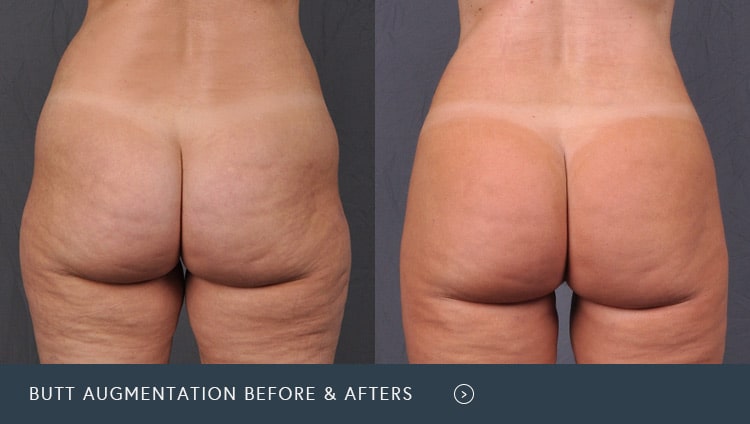
Look for consistency of results and realistic changes, not merely one or two exceptional cases. Review a variety of reviews on a number of different sites, not just the surgeon’s own pages. Testimonials can inform you about the surgeon’s approach, bedside manner and way of addressing concerns.
A good surgeon will be transparent about the fact that not all fat survives the transfer; around 30 to 50 percent could be reabsorbed. This ought to be addressed in your consultation, as well as your objectives and concerns. Run from surgeons who omit these details or bulldoze through your questions.
Facility Accreditation
The surgical facility should be fully accredited by an agency. Accreditation signifies the clinic adheres to rigorous safety standards, possesses appropriate equipment, and maintains hygiene protocols. It demonstrates that the staff are prepared for complications.
Accredited centers have emergency rescue plans, operating rooms that are sterile, and frequent inspections by health officials. Inquire with your surgeon as to where the operation will be performed.
Please don’t have it done in some office or clinic that isn’t accredited. Accredited facilities help maintain infection rates at a minimum and minimize the possibility of major complications during and after surgery. Selecting a secure facility is as crucial as selecting your surgeon.
The Psychological Toll
BBL surgery is more than skin deep. It can take a significant psychological toll, impacting not only mental health but self-image and daily life. Emotional and psychological challenges are commonplace before and after the procedure. There are stresses for people that may transcend healing scars.
Key psychological risks to consider:
- Disappointment or regret if expectations are not met
- Feelings of pressure from beauty trends and social media
- Changes in mood or depression during recovery
- Struggles with self-image or body dysmorphia
- The influence of others’ opinions on satisfaction with results
- Heightened anxiety from an extended recovery period and physical limitations.
Unrealistic Expectations
Unrealistic hopes are the primary reason for regret post-BBL surgery. As much as 20% of cosmetic surgeries, including BBL, fail when results don’t align with what patients imagined, studies show. Social media has a lot to do with it.
Too many before-and-after pics are photoshopped or just the best of the bunch, not the reality. In a survey, 70% of young women said social media made them want cosmetic changes, which can foster a distorted perception of what is attainable.
Each body is different. Even in the same manner, outcomes will differ. Discussing your objectives and what surgery can and cannot do with your surgeon is crucial. Surgeons can use photos to explain what is realistic and what is not.
These clear, honest talks help to establish goals that are in line with what is achievable and mitigate the danger of regret. Around 30% of those with nebulous or overly optimistic expectations report being unhappy post-surgery.
Post-Surgical Depression
Expect to be sad, anxious, or frustrated after BBL surgery, and this can take several weeks or even months for the recovery period where heavy activity is not permitted. This extended downtime can make people feel isolated or stir crazy, and hormonal shifts and pain can exacerbate mood swings.
Others may feel loss or regret, particularly if results are slow to manifest. Emotional backing counts. Whether it’s family, friends, or even online groups, support can be comforting.
If sadness or anxiety endures for a few weeks or more, it’s wise to consult with a mental health professional. Early assistance can accelerate recovery and prevent longer term complications.
Body Dysmorphia
Body dysmorphia is a real risk for anyone thinking about making cosmetic changes. Research reveals that 10 to 15 percent of surgery seekers suffer from body dysmorphic disorder (BDD). BDD makes people perceive defects that either do not exist or exaggerate minor issues.
This can result in repeated surgeries and chronic dissatisfaction, regardless of how good the outcome. Pre-op, it helps to talk through any body image concerns with your surgeon. Candid conversations can expose if psychological assistance is necessary.
Even post-surgery, some individuals feel their revamped appearance isn’t addressing underlying self-image concerns. Ongoing counseling or support groups can help maintain expectations in check and cultivate a healthier self-image.
Post-Operative Diligence
Post-operative diligence is crucial to minimizing BBL risks. Post-operative diligence nurtures recovery and keeps preventable complications at bay. A specific checklist and post-operative diligence can help.
Follow Instructions
- Don’t sit or lie directly on your buttocks for at least 2 to 3 weeks. If sitting is unavoidable, use a special cushion.
- Take any antibiotics as prescribed to prevent infection.
- Rest as much as you can, particularly in the initial week. Restrict anything that stresses the lower body.
- Clean incision and injection sites as recommended, using sterile materials to reduce the risk of infection.
- Avoid heavy lifting, running, or intense exercise until your surgeon releases you.
- Take care to watch your blood pressure and maintain it in the recommended range.
- Don’t fall behind on any supplements or medications advised for healing. Mark down every dose so you don’t miss one.
Rest is more than sleep. It means providing your body the optimal opportunity to recover by taking a break from your typical habits, even if you’re feeling okay. Early ambulation, such as brief walks, assists in blood flow, but any physical strain can impact outcomes.
Skipping steps or going back to work too soon can result in setbacks that are longer to repair.
Monitor Symptoms
Staying tuned to your body’s messages is crucial. Be on the lookout for symptoms such as unexpected swelling, intense pain, temperature, or atypical discharge from incisions. These could indicate infection or other complications and should be taken seriously.
Document symptoms in a notebook or on your phone. If you notice redness, warmth, or discoloration of the skin surrounding the treated area, record it as well. Bring these notes to follow-up visits.
Don’t wait for things to degenerate. If any symptom seems strange or unlike what your surgeon described, contact them immediately. An ounce of prevention is worth a pound of cure.
Post-operative diligence requires a quick response. If you develop shortness of breath, chest pain, or swelling in your leg, seek emergency medical attention. These can be indicators of infrequent but severe dangers such as blood clots.
Attend Follow-ups
| Appointment | Frequency | Key Discussion Points |
|---|---|---|
| First check-up | 1–3 days post-op | Incision care, pain control, infection |
| Early follow-up | 1–2 weeks | Swelling, bruising, healing progress |
| Regular visits | Monthly, as advised | Return to work, activity level, results |
Every visit allows your surgeon to follow your progress and catch complications early. Discuss any symptoms, even minor ones. These visits are not mere routine; they’re intended to catch problems before they become critical.
Open, honest talks with your surgeon build trust and help your recovery. Be diligent post-op. Share your notes, ask questions, and take advice on when you can get back to the real world. A good surgeon will welcome this discussion and offer concrete actions for every phase of recuperation.
Conclusion
BBL surgery really has its risks. A little foresight goes a long way. Choosing a talented surgeon, asking incisive questions, and reviewing authentic results go a long way. Being vigilant about your own health cues makes you safer during surgery recovery. Lots of people experience post-op stress, so candid discussions with your care team are important. Be certain you are aware of what care you require at home as well. Consider your personal narrative, your well-being, and your ambitions. Talk to your doctor and ask all your questions before you proceed. To find out more or get support, contact a trusted clinic or health group in your area. Your safety is first and foremost.
Frequently Asked Questions
What are the main risks of BBL surgery?
Brazilian Butt Lift Surgery Risks One of the biggest risks of bbl surgery is fat embolism, which occurs when fat enters the bloodstream and blocks a blood vessel. Fat embolism is the most serious risk and can be fatal.
How can I reduce my risk of complications from BBL?
Select a board-certified, seasoned surgeon and an accredited medical center. Adhere to pre- and post-operative instructions. Be patient with your recuperation and follow-up appointments.
Why does surgical technique matter in BBL safety?
With the proper technique, the fat is injected safely and only into the correct tissue layer. This minimizes the chance of fat injecting into blood vessels, which can lead to potentially fatal complications such as fat embolism.
What should I look for in a BBL surgeon?
Seek out a board-certified plastic surgeon who specializes in BBLs and has extensive experience with them. Verify their credentials, facility accreditation, patient testimonials, and before and after images.
Can my personal health affect BBL risks?
Yes. Health issues such as obesity, cardiac problems or clotting disorders can amplify surgery risks. Make sure to go over your complete medical history with your surgeon prior to surgery.
What is the psychological impact of BBL surgery?
Others might experience emotional distress or letdown if the outcome isn’t what they anticipated. It’s imperative to have reasonable objectives and seek mental health assistance if necessary.
How important is post-operative care after BBL?
Post-operative care is crucial for recovery and outcomes. It is necessary to prevent infection, assist the survival of fat, and minimize complications. Adhere to your surgeon’s instructions.
 /
/ 