

Compounded Peptides for Body Sculpting: A Practical Guide to Preparation and Tailored Therapy

Key Takeaways
- Compounded peptides are customizable short chains of amino acids that serve as targeted signaling molecules for fat loss, muscle growth, tissue repair, skin elasticity, and hormonal balance. They work best when chosen according to peptide structure and receptor specificity.
- They compounding pharmacies allow tailored dosages, blends, and delivery mechanisms that mass-market products just can’t do. Patients demand peptides produced in a cGMP facility and prescribed by a competent clinician.
- Best body sculpting protocols mix fat-burning and muscle-building or repair peptides in a monitored stack, with dosing, for example, weekly and daily injections, to preserve therapeutic levels.
- Craft your own personalized peptide therapy plan by filling out a medical history, determining body composition goals, choosing peptides with supporting evidence, delivery routes, doses, and monitoring and adjusting.
- Combine your peptide therapy with nutrition, exercise, and recovery techniques for lasting impact. Don’t forget to combine topical and systemic peptides to enhance both skin quality and contouring.
- First, PROTECT your safety by checking regulatory status and clinical evidence, sourcing through trusted compounding pharmacies, using correct reconstitution and injection procedures, and observing potential side effects and interactions.
Body sculpting prep compounded peptides are personalized peptide combinations utilized to prepare the body by aiding muscle toning, fat reduction, and skin rejuvenation prior to cosmetic procedures.
They are prepared by licensed compounding pharmacies to fit your personal requirements, doses, and objectives. There is evidence for some types of peptides, such as those that impact metabolism or healing.
See a competent clinician for testing, dosing, and safety. Below are some common peptides, protocols, and monitoring tips.
Peptide Fundamentals
Peptides are short amino acid chains, usually 2 to 50 residues, that function as signaling molecules across numerous body systems. They latch onto receptors, alter cell activity, and direct activities such as protein synthesis, inflammation, metabolism, and tissue repair. In body sculpting prep, peptides are used to gently nudge the body in the direction of fat loss, muscle growth, or enhanced recovery by accessing these signaling pathways.
Endogenous peptides are produced within the body and consist of peptide hormones as well as bioactive fragments generated during protein degradation. Synthetic peptides are lab-made duplicates or altered versions created for stability, receptor specificity, or extended half-life. Medical-aesthetic use frequently prefers synthetic analogs, as they resist quick degradation and strike a target receptor more crisply.
For instance, a growth hormone secretagogue temporarily replicates the body’s natural signals to increase growth hormone levels. A GLP-1 receptor agonist is a modified peptide that gradually empties the stomach and suppresses hunger.
Bioactive peptides and peptide hormones hit three major areas pertinent to sculpting. First, they modulate protein synthesis and muscle repair. Certain peptides upregulate pathways that increase muscle protein build and help recovery after resistance training.
Second, they alter metabolic processes. Some peptides shift substrate use toward fat burning or reduce post-meal glucose spikes, which can aid body composition. Third, they affect immune and repair responses. Peptides like GHK-Cu help tissue remodeling and collagen production, which supports skin quality after fat loss.
Structure and receptor binding direct peptide activity. Minor modifications in sequence or conformation alter which receptor a peptide fits, how long it stays active, and which tissues it targets. A peptide that is intended to bind receptors in fat will have different effects than one targeting muscle satellite cells.
It’s not just what you take, it’s how you take it. A lot of the therapeutic peptides are already delivered by injection and come in powders to reconstitute with sterile water, so there is systemic exposure and reliable dosing. Others, like collagen peptides and GHK-Cu, are more orally bioavailable and can function when taken orally, which is beneficial for skin or joint support.
You just need to be safe and timed well. A few of the growth-promoting peptides can speed tumor growth in susceptible patients so screening and medical oversight are important. Results differ from person to person. Age, hormonal balance, and metabolic state alter response and it’s frequently weeks before you see tangible improvement.
Standard cycles last four to twelve weeks prior to significant body composition changes emerging. Peptides can be grouped by primary benefit: weight-loss agents, muscle-gain peptides, and cognitive enhancers, with overlap between groups depending on mechanism.
The Compounding Difference
Pharmaceutical compounding is the art and science of preparing personalized medications to suit a patient’s unique physical needs. Compounding pharmacies take raw peptide ingredients and create doses, mixes, and delivery formats tailored to an individual’s health profile and body composition goals. This is important for body-sculpting prep since two people of the same weight might have totally different muscle mass, metabolic rates, and tolerances.
Compounds can vary in strength, mixture, and route to mirror those differences. There are obvious trade-offs between compounded peptides and standard pharmaceutical products. Mass-market goods are designed for big populations with rigid doses and predetermined routes of administration.
Compounds allow clinicians to adjust dose increments, combine several peptides in one syringe, or convert administration to topical, subcutaneous, or other forms when indicated. For instance, a clinician could pair a lipolytic peptide with a recovery peptide, calibrating concentration to control side effects and specifically address fat loss and muscle tone. That flexibility can make therapy more feasible for patients who require a timing or dose schedule that off-the-shelf drugs cannot offer.
Ingredient and manufacture quality is paramount. High-grade peptides manufactured in accordance with current Good Manufacturing Practice (cgmp) minimize the risk of impurities and dose variation. Compounding pharmacies that source cgmp-grade raw materials and follow USP <795> and <797> standards hit recognized practice standards.
Since many peptides are administered by injection, they are subject to USP <797> handling guidelines. Thus, appropriate aseptic technique and environmental controls are critical to safety and efficacy. US compounding pharmacies are under FDA oversight. However, regulatory routes vary by 503A versus 503B status, which impacts scale and audits.
Compounded therapy can bridge voids created by mass‑manufactured drugs or supplements. Medicine doesn’t always come in one product, and peptides are not one thing. Some need exact microdosing, others require combination regimens, and some patients require allergen‑free formulations.
Compounding allows pharmacists to craft allergen‑free syringes, preservative‑free vials, or custom concentrations when commercial alternatives are unavailable. It’s that responsiveness that is a key reason compounding has remained in clinical practice for decades.
Risks focus on sourcing. There are counterfeit ingredients and gray-market peptides sold online, typically from vendors outside the FDA’s jurisdiction. The biggest risk these days is the gray market, not regulated compounding. Licensed, inspected compounding pharmacies record CGMP sourcing and adhere to USP and FDA standards of practice to reduce risk.
Sculpting Mechanisms
In general, peptides prepare for body shaping functions through various special biological pathways influencing fat, muscle, skin, and hormones. Here’s the hyper-focused breakdown of the key mechanisms, then examples and practical notes on delivery, timing, and results.
1. Fat Metabolism
Fat-loss peptides and GLP-1 analogues promote lipolysis and increase metabolic rate by acting across central and peripheral pathways regulating appetite, insulin sensitivity, and fat mobilization. Others work by decreasing calorie intake through modulating satiety centers, while others increase hormone-sensitive lipase in adipose tissue, which facilitates triglyceride breakdown.
Weekly or daily injections are common to keep blood levels steady and maintain therapeutic effect. For instance, a weekly depot may suit long-acting GLP-1 analogues while short-acting peptides use daily dosing. Clinical reports and trial data demonstrate reductions in inflammatory markers with select peptides, which can help improve healthy fat distribution and reduce visceral fat burden.
Peptide therapy is a hot treatment for anyone looking to amplify fat loss efforts. Although results differ, many individuals notice changes in just a few weeks.
- Examples of common peptide varieties used in body recomposition:
- CJC-1295 (no DAC and with DAC)
- Sermorelin
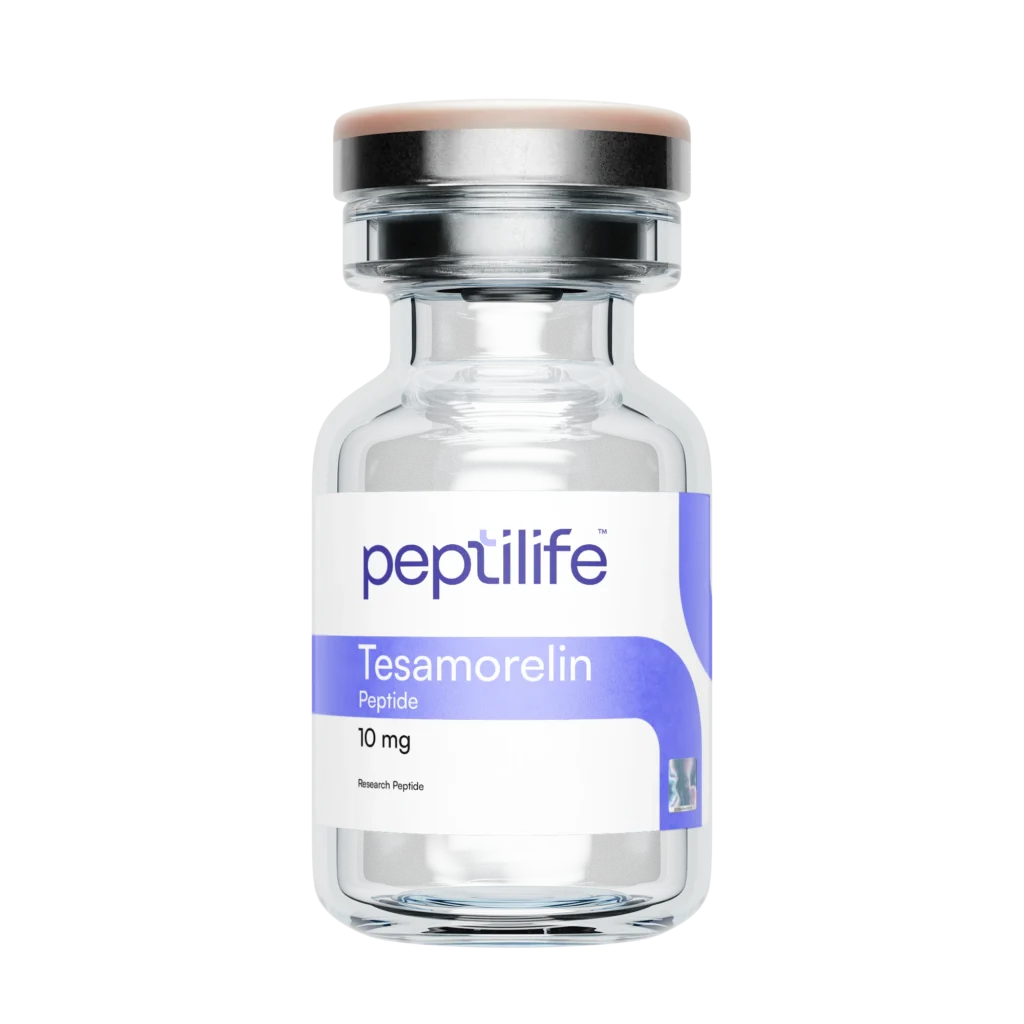
- Tesamorelin
- GLP-1 analogues (semaglutide-ish in compounding land) – AOD-9604
- Melanotan derivatives (as adjuncts)
- Peptide blends of GHS and metabolic
2. Muscle Growth
GH secretagogues and anabolic peptides increase endogenous GH and IGF-1 activity, which enhances muscle protein synthesis and repair. CJC-1295 encourages muscle recovery and growth, allowing you to train harder and recover quicker.
Research indicates that combined peptide use with resistance training stimulates an increase in muscle strength and mass after 8 to 12 weeks. Peptide stacking or peptide blends can scale gains, but stacking increases the risk of potential side effects including increased appetite, elevated blood sugar, and water retention.
Intramuscular injections are used at times to administer higher local concentrations to target muscles. However, systemic effects are at the heart of muscle synthesis.
3. Tissue Repair
Healing peptides such as copper peptides and collagen peptides accelerate tissue regeneration and reduce downtime post-procedure by stimulating fibroblast activity and collagen deposition. Peptides can decrease local inflammation via immunomodulatory actions, assisting in the repair of skin, muscle, and connective tissue.
Protocols generally specify dose, injection site, and duration. For instance, topical copper peptides are administered daily and injectable collagen peptides are used for several weeks post-surgery. Customized dosing and clinician guidance are essential for safety and effectiveness.
4. Skin Elasticity
Bioactive peptides such as topical copper peptides help with collagen remodeling and skin elasticity to further contour results. Oral peptide supplements and topical peptides can both increase collagen production and diminish fine lines or mild sagging in conjunction with other aesthetic treatments.
5. Hormonal Balance
Peptide hormone therapies like GHS and GLP-1 agents assist in hormone sculpting, frequently with less androgenic impact than classic hormones. A few peptides elevated testosterone in rat studies. Human data is still sparse.
Custom plans assist in controlling hormone shifts and side effects such as insulin resistance.
Customized Therapy
Customized peptide therapy begins with a clear statement: treatment must fit the person. A good plan considers targets, body type, health background, and existing medications. Licensed 503A compounding pharmacies provide custom doses and formulations as ordered by a physician. This controlled framework underpins the one-drug-for-one-patient paradigm and facilitates minimizing risks associated with off-the-shelf or research-grade peptides.
Creating a tailored treatment plan begins with a medical workup. That history should record past illnesses, allergies, current medications, supplements, and lifestyle including sleep, diet, and exercise. Lab work can include metabolic panels, hormone levels, and markers of liver and kidney function to ensure safety and guide dosing.
The clinician takes a personalized approach, choosing peptides based on mechanism of action and patient goals. For example, peptides may support fat metabolism, lean mass retention, or skin quality, and tailoring route, dose, and schedule to the individual.
Dose selection is not one-size-fits-all. Standard fixed doses rarely function in precision medicine. Some patients react to microgram doses, while others require adjustments over weeks. Follow-up for the first one to three months is common.
Body composition modifications can seem more gradual for certain patients, and others require extended therapy under guidance. Consistent re-evaluation allows for dose adjustments, additions, or pauses so the strategy remains in sync with evolving goals.
A strong program is responsive to shifting objectives and realities. If a patient desires quicker fat loss, the clinician might incorporate complementary peptides, adjust calories, or shift exercise focus. If side effects emerge, the regime transitions to safer alternatives or reduced dosages.
The clinician records each modification and justification, providing the patient with transparent expectations of timelines and probable results.
Steps for building a successful peptide therapy plan:
- Collect baseline data: medical history, medications, labs, and goals. Incorporate quantifiable goals and deadlines.
- Assess safety: review drug interactions, organ function, and contraindications. Avoid unregulated products lacking purity testing.
- Choose peptides: select agents with rationale for the goal and evidence where available. Favor agents formulated by licensed 503A pharmacies.
- Set dosing and route: Start conservatively, choose injection or topical route based on peptide, and plan monitoring.
- Implement supportive care: integrate nutrition, exercise, sleep, and behavioral coaching to enhance results.
- Monitor and adjust: Schedule follow-ups, repeat labs, track metrics, and change therapy as needed.
- Document and report: Keep detailed records and report adverse events to the prescribing clinician.
Research peptides do not have a required testing for purity or sterility and may be harmful. See a doctor and employ controlled compounding when you go.
Holistic Integration
About holistic integration Holistic integration in peptide therapy is about treating the whole person, not a target tissue. This style connects peptide use to nutrition, physical activity, rest, stress management and mindfulness. It understands that peptides engage with multiple systems of the body and that results are context dependent.
Clinicians and researchers who prefer this perspective assert that it yields safer, more enduring outcomes and a more transparent understanding of peptides’ impact on the system as a whole. Peptide therapies best complement lifestyle interventions. For body-sculpting prep, combine peptides that promote fat loss or tissue repair with a protein-rich, carb-timed, micronutrient-supported diet (think vitamin D and omega-3).
Exercise programs need to combine resistance training to maximize lean mass growth or maintenance with targeted cardio to assist fat mobilization. A client on a weight-loss peptide is given the following 12-week plan: progressive resistance three times weekly, 30 to 45 minutes of moderate-intensity cardio twice weekly, and a daily protein intake of 1.6 to 2.2 grams per kilogram.
Sleep hygiene and stress reduction matter as well. Poor sleep can blunten peptide signaling and slow your gains. The idea is to couch peptide therapy in medical wellness, not as some silver bullet. Employ diagnostic baselines such as body composition, metabolic panel, and hormone profiles to establish goals.
Personalize dosing and duration. Certain peptides need weeks and even months of use for measurable change, so establish realistic timelines and checkpoints at four, eight, and twelve weeks. Track biomarkers and clinical outcomes and modify the plan. This patient-centric approach mitigates risk by detecting negative reactions early and by optimizing peptide selection to match wellness objectives.
Mix peptides with regenerative medicine to maintain a long-term healthspan. It’s not about alleviating symptoms; it’s about repair, resilience, and function. Coordinate tissue-healing peptides with complementary therapies such as physical therapy, targeted nutrient support for collagen synthesis (vitamin C, zinc), and calibrated mechanical loading to promote ideal remodeling.
For seniors, incorporate methods to maintain mitochondrial function and minimize inflammation, as peptides can modulate these systems so that benefits stretch beyond purely cosmetic aspirations. Design a practical plan that integrates peptide therapy, supplements, and supportive care.
Begin with evaluation, select peptides according to objective and safety profile, outline lifestyle targets and supplement selections, and plan follow-up. Examples include combining a tissue-repair peptide with collagen supplementation and graded loading exercises.
Another example is combining a fat-loss peptide with caffeine timing, resistance training, and behavioral coaching for eating patterns. Track accomplishments, tweak every few weeks, and stay open to new data as research on long-term effects and interactions expands.
Safety Profile
There are a number of safety questions surrounding compounded peptides for body sculpting which depend on regulation, manufacture quality, clinical data, and how it is handled in practice. These elements come together to define the potential advantages and dangers an individual confronts prior to initiating a peptide course.
Regulatory oversight and clinical data are the heart. The FDA has highlighted Category 2 peptides for potential immunogenicity, peptide-associated contaminants, and lack of safety information. This means that some peptides available don’t have sufficient human trials backing their safety or efficacy. A lot of the peptides talked about in the fitness and wellness communities are not even FDA-approved drugs, and we don’t really know much about their safety profiles.
They frequently point out that additional studies, especially long-term ones, are necessary to establish the short- and long-term effects. For the clinician or consumer, FDA approval status and peer-reviewed clinical trial results should direct decisions. Trusted compounding pharmacies adhere to rigorous sourcing, testing, and documentation standards, utilizing validated raw materials, batch testing, and sterile processes that lower risk compared with anonymous sources.
Dangers associated with black or grey-market goods are significant. One independent analysis discovered mislabeling, improper dosing, or contamination in approximately 30% of peptide samples sourced from the grey market. Several batches have been found to be contaminated with heavy metals such as arsenic and lead, sometimes at levels close to or exceeding ten times permissible limits for injectables.
These impurities pose immediate safety concerns, from acute poisoning to chronic organ damage. Wrong injection sites, poor injection technique, incorrect reconstitution, and improper storage wreak havoc too, leading to local infection, necrosis, or loss of potency. The quality control and manufacturing processes of unapproved peptides available today are unknown, putting consumers at risk.
Monitoring for adverse effects and interactions is essential. Some peptides have known safety concerns. For example, leuprolide has been linked to bone density loss. Others may carry immunogenic risks that only show after repeat exposure. Clinicians should review current medications, supplements, and medical conditions for contraindications.
Regular labs, bone density checks when indicated, and symptom tracking help detect problems early. If a patient reports new pain, rash, fever, or unexpected systemic signs after starting peptides, stopping the product and arranging prompt evaluation is prudent.
Key safety considerations to list before any peptide therapy include: FDA approval status, availability and quality of clinical evidence, source verification and batch testing from the compounding pharmacy, sterility and storage requirements, clear dosing and administration instructions, known contraindications and possible interactions, and a structured monitoring plan for adverse events.
Informed consent should address these issues in straightforward language.
Conclusion
Ready to get body sculpting with compounded peptides? They have very direct effects on fat cells, muscle growth, and recovery. Clinicians can compound dosages and delivery forms to suit objectives and health requirements. Compounded peptides are used for body sculpting preparation. Trials and lab checks direct safer strategies. Side effects remain minimal with proper screening, dose tuning, and sterile compounding.
For those who seek more nuanced body shaping control, peptides provide a handy additional option. Speak to a licensed clinician who specializes in peptide compounding and implement a program that monitors progress with real-world metrics such as body fat percentage and strength improvements. Schedule a consultation to discuss your options and next steps.
Frequently Asked Questions
What are compounded peptides for body sculpting?
Compounded peptides are lab-created short proteins customized by a pharmacist. They aim at fat loss, muscle tone, or skin firmness. They are personalized to a patient’s requirements through a doctor’s prescription.
How do these peptides help with body sculpting?
They function by sending signals to tissues, enhancing lipolysis, promoting metabolism, or aiding muscle gain and skin regeneration. Results vary based on peptide and treatment schedule.
Who is a candidate for compounded peptide therapy?
Optimal candidates are adults with reasonable expectations, in good health, and who have been medically screened. A clinician needs to screen for contraindications and establish realistic expectations in advance of therapy.
How is therapy customized for each person?
Clinicians tailor peptide type, dose, delivery, and length to body composition, health, and goals. Compounding pharmacies create formulas to fit the prescription.
What safety risks should I know about?
The risks are injection site reactions, allergic responses, hormone imbalance and off-target effects. Safety is reliant on the quality of the product, accurate compounding, and medical supervision.
How long until I see results?
Some users see metabolic or energy spikes in weeks. Body composition changes take at least a few weeks and usually months of consistent therapy and lifestyle interventions.
Do compounded peptides replace diet and exercise?
No. Peptides are a supplement. The best results pair peptides with good nutrition, exercise, sleep, and medical oversight.
 /
/ 