

Body Sculpting Outcomes by Metabolic Type: Research Summary and Practical Guidance

Key Takeaways
- Body sculpting results vary by metabolic type and body composition. Therefore, choose treatments according to fat distribution, muscle mass, and metabolism for improved outcomes.
- Match techniques to metabolic profiles by blending precision nutrition, customized exercise, and the right procedures to optimize fat burn and muscle retention.
- Ectomorphs thrive on more calories and resistance training, while noninvasive sculpting works well for them. Mesomorphs do well with mixed methodologies. Endomorphs require caloric control, cardio, and targeted noninvasive work.
- Track hormonal and cellular markers like insulin sensitivity, IGF-1, and adipocyte activity to customize protocols and anticipate results.
- Make surgical versus nonsurgical versus realistic expectation decisions with a decision checklist including metabolic type, lifestyle factors, and genetic or metabolic testing.
- Follow clinical markers and long-term lifestyle changes with balanced macros, sufficient protein, and regular exercise to maintain body sculpting results.
Body sculpting results by metabolic type studies reveal that body reactions to exercise and nutrition are different according to metabolic profile. Research correlates metabolic markers, including resting metabolic rate and insulin sensitivity, with variations in fat loss, muscle gain, and recovery.
Body sculpting results by metabolic type research indicate that customized plans deliver more measurable results than standard plans. The core of body sculpting by metabolic type explores the research.
Defining Body Sculpting
Body sculpting encompasses various treatments that transform the body’s silhouette through fat elimination, contour enhancement, and skin rejuvenation. These consist of surgical procedures such as liposuction and noninvasive or minimally invasive technologies that employ energy or controlled trauma to eliminate fat or firm tissue.
Knowing what body sculpting aims to accomplish, how it works, and the typical timeframe helps align a person’s body, health, and expectations with the ideal method.
Surgical versus Noninvasive Procedures
| Feature | Surgical (e.g., liposuction, excision) | Noninvasive (e.g., cryolipolysis, RF, infrared) |
|---|---|---|
| How it works | Manual removal of fat through suction or cutting | Energy or cold applied to disrupt fat cells or heat tissue |
| Anesthesia & downtime | Often general or regional anesthesia; longer recovery | Local or none; minimal to moderate recovery |
| Immediate change | Often visible right away, subject to swelling | Gradual change over weeks as debris clears |
| Risk profile | Higher surgical risk, scarring possible | Lower risk; possible numbness, redness, temporary pain |
| Typical session length | 1–4+ hours depending on area | 30 minutes to several hours, depending on device and area |
| Best for | Larger-volume removal, reshaping | Targeted fat reduction, contouring, cellulite treatment |
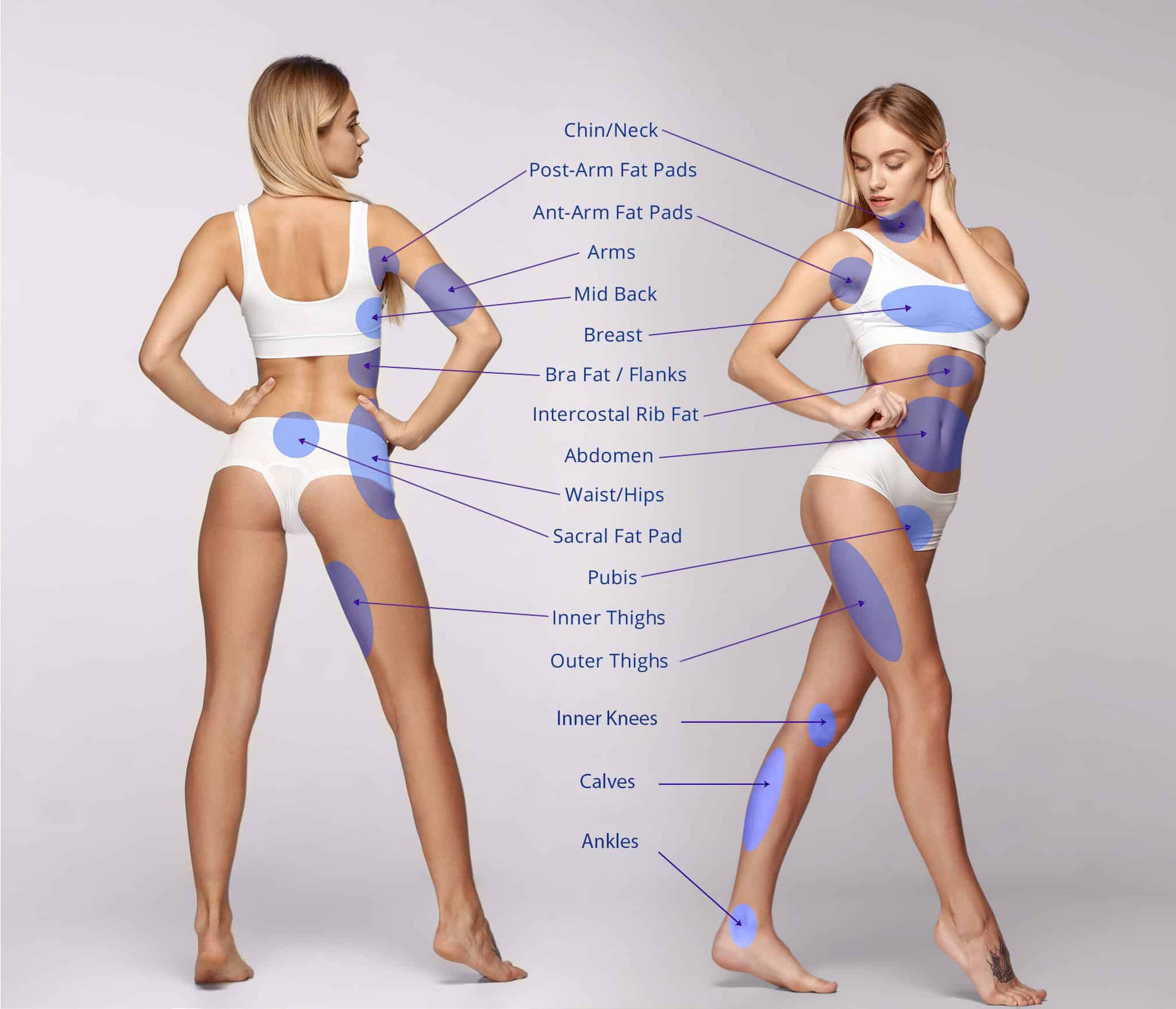
Body sculpting targets common trouble zones like the thighs, abdomen, and love handles. For thighs, it can target localized fat, laxity, and cellulite dimples. For the tummy, techniques range from surgical repair of muscle and fascia to breaking down subcutaneous fat with targeted cooling or radio-frequency heat.
Love handles respond to targeted fat loss approaches, and device selection is based on fat depth and skin color. Selecting a method involves evaluating body composition, fat distribution, and muscle mass. Greater muscle mass transforms what the region looks like post fat loss.
Someone with more visceral fat would require lifestyle and metabolic interventions prior to expecting aesthetic return. Fat distribution, be it even, gynoid, or central, shapes the areas in which treatments are most effective and the number of sessions needed. This varies based on metabolic rate, fat storage capacity and physiology.
Non-surgical methods apply controlled cooling, radiofrequency thermal energy or infrared light therapy to damage fat cells. After this, the lymphatic system handles scavenging cellular debris. Results vary per person and evolve over four to twelve weeks as the body eliminates treated cells.
Timing and extent of visible change are affected by metabolism, circulation, hydration and general health. Hands-on planning involves pairing the patient’s health and objectives with a believable schedule, considering session duration and recuperation.
Anticipate several sessions for bigger or recalcitrant zones and pair procedures with lifestyle steps, such as diet, weight lifting, and hydration, to help maintain results.
Understanding Metabolism
Metabolism refers to various biochemical processes that consume and mobilize energy in the body, such as energy expenditure, fat oxidation, and nutrient utilization. It accounts for fundamental resting energy requirements, the physiological expenditure of digesting food, and the calories consumed through physical activity and exercise.
Your metabolism is influenced by a multitude of personal elements including genetics, age, hormones, body composition, activity background, nutrition, health, and even environmental factors. Therefore, results in body sculpting aren’t the same for everyone.
Metabolic rate, metabolic flexibility, and metabolic adaptations matter for weight control, fat loss, and muscle gain. Metabolic rate is how fast your body burns calories, and the single best predictor of that rate is your muscle to fat mass ratio. Being more muscular increases your resting metabolic burn.
Metabolic flexibility is the body’s capacity to toggle between carbohydrate and fat burning depending on what’s available, and it gets better with diverse training and balanced nutrition. Metabolic adaptations are the shifts that occur with dieting and training, such as a slower resting metabolic rate after long-term deficits or better efficiency after endurance training, that influence how readily someone loses fat or gains muscle.
Key elements that affect metabolism include:
- Caloric intake: A moderate calorie deficit is generally more effective than extreme restriction. Big deficits can spark metabolic slowdown and muscle loss. Aim for sustainable deficits that will enable fat loss while fueling performance.
- Macronutrient balance: Carbs, fats, and protein influence fuel choice and training quality. Carb timing around workouts feeds intensity, fat supports hormones, and balance overall helps metabolic flexibility.
- Protein intake: Adequate protein preserves muscle during a calorie deficit and supports hypertrophy when paired with resistance training. Common advice is anywhere between 1.6 to 2.4 grams per kilogram of body mass based on goal and activity.
Metabolic state, along with insulin and lipid metabolism, molds fat loss and muscle retention. Insulin sensitivity is a measure of how well cells absorb glucose and store fat. The more sensitive they are, the better they prefer to use glucose for fuel and are resistant to storing fat.
Lipid metabolism, or how well your body mobilizes and burns fatty acids, gets better with regular aerobic exercise and adequate nutrition. Body fat distribution matters. Visceral fat carries a greater health risk and impairs metabolic function more than subcutaneous fat, so where fat sits affects outcomes beyond total fat amount.
Metabolism can’t be reduced to crude types like ectomorph, mesomorph, or endomorph. Hormones such as thyroid hormones, insulin, and sex hormones create unique metabolic patterns that change with age, stress, and health.
For body sculpting, the priority is clear: preserve muscle with resistance training and protein, use a moderate calorie deficit, vary training to build metabolic flexibility, and support metabolic health through quality nutrition, sleep, and recovery.
Research Synthesis
About research synthesis. This includes systematic reviews, meta-analyses, and qualitative synthesis. The goal is to consolidate information to provide a better sense of the role metabolic type plays in body sculpting success across techniques and populations.
1. Ectomorph Response
Ectomorphs generally have rapid metabolisms and poor fat storage ability, so clinical trials cite low baseline adiposity and less absolute fat losses from reduction treatments. Muscle hypertrophy research demonstrates that ectomorphs typically require increased caloric intake and protein consumption to achieve measurable mass gains.
Trials supplementing resistance training with nutritional support report superior gains to interventions in isolation. Precision nutrition plans that increase protein to approximately 1.6 to 2.2 grams per kilogram of body mass and employ a moderate surplus of calories demonstrate enhanced lean mass accrual without excessive fat gain in multiple controlled feeding studies.
Pairing strength with noninvasive sculpting, such as radiofrequency or high-intensity focused ultrasound, can contour areas as resistance-induced hypertrophy refines general tone.
2. Mesomorph Response
Mesomorphs have a balanced metabolism and high muscle retention, and research demonstrates they respond favorably to both fat-shredding and hypertrophy programs. Randomized trials comparing surgical liposuction and noninvasive RF report favorable contouring and metabolic markers in mesomorphic subjects, likely a result of greater muscle perfusion and adaptive metabolic response.
Precision nutrition with balanced macros and adequate protein supports both muscle growth and fat oxidation. Examples include periodized carbohydrate intake around workouts and steady protein across meals.
High-intensity interval training and fat burning treatments tend to provide this group with faster and more noticeable results and often more long-term weight control.
3. Endomorph Response
Endomorphs exhibit slower metabolisms and better fat retention. Trials always documented greater absolute fat losses when coupled with calorie reduction and additional aerobic activity. Research for GLP-1 receptor agonists, like semaglutide, shows less visceral fat but maintains lean mass, which is key in endomorphs.
Noninvasive treatments such as cryolipolysis and ultrasound along with lifestyle change increase metabolic flexibility and decrease leptin, potentially reducing hunger and preventing regain. Tracking and modifying diets to preserve lean mass is key, as harsh calorie restrictions threaten to shed muscle.
4. Hormonal Influence
Together, hormones like insulin, IGF-1, thyroid hormones, estrogen, and leptin sculpt fat mobilization and muscle synthesis. Baseline insulin sensitivity tells us where you store fat and how you respond to small changes in caloric intake.
Fast insulin spikes promote adipose storage. By tracking how hormones shift before and after treatment, nutrition can be better customized. Lowering leptin through fat melting can drive the liver toward lipolysis and appetite suppression.
5. Cellular Mechanisms
Adipocyte differentiation, fatty acid synthase and adipose triglyceride lipase mediate fat cell fate post-intervention. RF waves can liquify subcutaneous fat and induce tissue remodeling.
Research demonstrates aesthetic and metabolic benefits, such as modified adipokine expression profiles. IGF-1-driven muscle perfusion and myofibrillar protein synthesis support hypertrophy, while proteomic biomarkers help predict who benefits most from specific treatments.
Technique Suitability
Technique suitability starts with a transparent understanding of the individual’s metabolic type, skin quality, fat distribution and objectives. A full consultation is necessary to examine skin quality, medical history and realistic expectations. Most sculpting techniques lend themselves best to individuals with relatively stable weight who desire contour modification, not significant weight loss. Age, post-pregnancy changes and skin elasticity determine what techniques will provide you with long lasting results.
About technique suitability – MATCH TECHNIQUE to METABOLIC TYPE by observing how a technique works on fat and tissue. For fast-metabolism profiles with less subcutaneous fat but pesky pockets, targeted energy-based methods like SculpSure (laser) or RF fat melting can really deliver. RF may even help shift liver metabolism back to lipolysis and stave off appetite surges.
For slower metabolisms that keep deeper or more diffuse fat, surgical options like liposuction eliminate bulk more reliably though downtime and dangers increase. For mixed profiles or skin laxity, pair the fat-reduction devices with skin-tightening interventions like microneedling, fractionated laser, or radiofrequency facials to enhance tone and its adhesion.
Take into account skin tautness and elasticity when selecting. Good elasticity plays in favor of noninvasive fat reduction, such as Zerona laser therapy and cryolipolysis, since the skin is able to re-drape. Poor elasticity requires either surgical excision or additional skin tightening.
Older clients often need a layered plan that includes modest fat removal along with sequential skin treatments and longer monitoring intervals to track collagen response.
Pros and cons:
- Surgical liposuction offers immediate fat removal and greater volume change. However, it comes with surgical risks, longer downtime, and higher costs.
- Nonsurgical lasers (SculpSure, Zerona): minimal downtime, good for focal pockets, require multiple sessions, have variable results, and are limited for large volumes.
- RF/Heat-based (RF melting): + can aid lipolysis and tissue tightening. + often well tolerated. – requires several sessions. – may raise local inflammation.
- Shockwave therapy helps with tissue remodeling and lymph flow. It can aid skin quality. It results in modest fat loss alone and is best used as an adjunct.
- Microneedling/laser for skin: improves laxity and texture. Pairs well with fat removal. It is not a primary fat-loss tool.
About style appropriateness, add in metabolic type (fast, slow, mixed), dominant fat depot/subcutaneous versus visceral, skin laxity score, age bracket, recent weight stability, pregnancy history, lifestyle (exercise, diet), and downtime tolerance. Suggested techniques per cell – record number of sessions and anticipated maintenance.
Customize session frequency and protocol to the metabolic profile for safeguarding muscle mass while maximizing fat loss.
Optimizing Results
To really optimize results, you need a transparent plan connecting treatment choice with metabolic type, nutrition, exercise, and measured outcomes. Precision nutrition calibrates calorie targets, macronutrient split, and meal timing to an individual’s metabolic profile, such as fast versus slow oxidizer, insulin sensitivity, or hormonal milieu, to maximize fat loss and maintain muscle post-body sculpting.
For instance, a person with reduced insulin sensitivity might do better on a moderate-carb, higher-protein plan of 1.6 to 2.2 grams per kilogram and a mild calorie deficit to minimize fat-free mass loss. Fast oxidizers might do better with more frequent, smaller meals with balanced carbs and fats to fuel a steady stream of energy. Pair this with strategic supplementation when appropriate, such as vitamin D, omega-3s, or creatine, to maintain and recover muscle.
Workout has to be engineered for metabolic objectives. Use resistance training three times per week with progressive overload to promote hypertrophy and counteract the 20 to 50 percent muscle loss risk with some weight-loss pathways, such as anti-obesity drugs.
Pair resistance work with steady-state or interval cardio aimed at sustaining fat oxidation: two to three sessions of 30 to 45 minutes of moderate cardio or one to two sessions of 20 to 30 minutes of high-intensity cardio weekly. Include low-intensity daily movement of 7,000 to 10,000 steps to support calorie balance and circulation.
Example weekly plan: three strength sessions of 40 to 60 minutes, two moderate cardio sessions of 30 to 40 minutes, and daily mobility or walking. Modify intensity and volume by metabolic type and recovery markers.
Clinical efficacy metrics provide unambiguous feedback and help direct modifications. Create a checklist that includes: standardized weight and body composition by bioimpedance or DEXA, regional circumferences, subcutaneous fat thickness using ultrasound, strength tests such as 1RM or submaximal, functional tests, patient-reported outcomes including pain and satisfaction, and photos with consistent lighting and position.
Add treatment-specific details like the number of sessions, device settings, and time elapsed since the last session. Follow-up results at baseline, 4 to 8 weeks, and 12 to 24 weeks to account for the slow changes characteristic of many noninvasive therapies.
Lifestyle changes are what matter for long-term results. Focus on consistently eating well, balanced macros, sleep, stress, and activity. Describe how the combination of techniques can optimize results.
One technique can help shrink fat, while the other can build or tone muscle. Some patients notice a significant difference after just one or two treatments, while others need several sessions. Note that these treatments are low-downtime, with changes unfolding over weeks to months and persisting for months or years if lifestyles align with goals.
The Genetic Factor
Genetic variance establishes a baseline for how bodies absorb, store, and utilize energy, and that baseline counts when forecasting body sculpting outcomes among various metabolic types. Most of us have genes that alter our metabolism, our nutrient processing, and our muscle and fat tissue’s response to diet and training. Grasping these genetic inputs clarifies why two individuals following the same plan can achieve dramatically different results.
Understand the role of genetics, from adipoq gene polymorphisms to muscle growth genes, in metabolic efficiency, fat uptake, and muscle adaptation. ADIPOQ gene variants influence adiponectin, a hormone that modulates fat cell signaling and insulin sensitivity. Less adiponectin tends to correlate with greater fat storage and less response to low-carb diets.
Muscle growth genes such as MSTN (myostatin) and ACTN3 affect the speed at which muscle fibers grow and heal. A myostatin variant carrier can gain muscle more readily and achieve improved contouring from resistance work. These gene effects combine with total metabolic rate genes that push energy requirements and rate of change during body-sculpting interventions.
Tell us about nutrigenomics and metabolomics and how they inform personalized weight management plans. Nutrigenomic tests predict probable reactions to macronutrient ratios, taste-driven eating, and micronutrient processing. Metabolomic profiling measures circulating metabolites to unmask your current metabolic state.
For example, persistent high branched-chain amino acids might imply altered protein metabolism and indicate targeted protein timing or intake. Together, these allow clinicians to tailor food type, meal timing, and supplements to a person’s biology. An individual with a poor lipid clearance profile may respond best to a moderate-carb, higher-fiber plan and aerobic conditioning.
Conversely, someone with fast glycogen utilization may experience better results from targeted carb timing around workouts and heavier resistance training.
- Key genetic variants related to body sculpting outcomes:
- ADIPOQ polymorphisms impact adiponectin, fat storage, and insulin sensitivity.
- FTO variants are associated with appetite, energy consumption, and weight risk.
- MC4R variants affect hunger cues and fullness.
- MSTN (myostatin) variants affect muscle growth potential.
- ACTN3 R577X influences fast-twitch muscle function and training response.
- PPARG variants alter adipose cell differentiation and lipid metabolism.
- UCP gene variations affect BMR through thermogenesis.
Proponent of bringing genetic testing and metabolic deep dives to a full-bodied aesthetic and weight program for the most personalized results. Use tests as one prong in addition to diet history, activity measures, and clinical labs.
Use results to establish achievable goals, select training types, and optimize nutrition. Reassess over months with body composition scans and repeat metabolomics to follow real response and adjust. Genetic knowledge steers decisions, and lifestyle continues to fuel transformation.
Conclusion
The research connects body sculpting results by metabolic type. Quick metabolisms benefit from quick, intense sessions. Slow metabolisms benefit more from consistent, low-impact labor and incremental plan adjustments. Genetics is a foundation, but diet, sleep, and stress alter how the body interprets a program. Actual gains are made through basic moves done right, consistent advancement, and blueprint adjustments according to actual feedback like strength, measurements, and energy.
Body sculpting results by metabolic type research. An athlete with a fast metabolism will notice visible change in 6 to 8 weeks of interval work, with protein consumption of 1.6 to 2.0 grams per kilogram. A slow metabolism type, on the other hand, could require 10 to 12 weeks of consistent training combined with minor calorie adjustments and 7 to 9 hours of sleep. Give it a test run for 6 to 8 weeks, track some data, then retool the plan. Need an easy to follow plan to get started? Request and I’ll prepare one.
Frequently Asked Questions
What is body sculpting and how does it differ from weight loss?
An area-specific fat reduction and muscle sculpting. It’s about body sculpting results by metabolic type, not weight loss. Results are body sculpting, not a scale.
How does metabolic type influence body sculpting outcomes?
According to metabolic type studies, it influences how your body sheds fat, stores energy, and sculpts muscle. Matching techniques to metabolic tendencies can enhance efficiency and minimize recovery.
Which body sculpting techniques suit different metabolic types?
Quick metabolisms can frequently respond nicely to muscle and volume approaches. Slower metabolisms might get the most advantage from fat-slasher tech and metabolic stimulation such as HIIT and nutrition.
What does research say about tailoring treatment by metabolic markers?
New research demonstrates improved outcomes when treatments factor in metabolic markers such as insulin sensitivity and body composition. Proof of concept is still emerging and should be used as one consideration among several in treatment planning.
How can I optimize my results after a body sculpting procedure?
Pair a custom nutrition plan, regular exercise, quality sleep, and maintenance treatments. These actions promote sustainable results and accelerate healing.
Are genetic tests useful for predicting body sculpting success?
Genetic tests can tell you about your fat distribution and muscle growth tendencies. They provide useful guidance but should not be the only consideration.
How do I choose a reputable provider for body sculpting based on metabolic needs?
We recommend finding providers with published outcomes, credentials, and experience integrating metabolic type into care. Request before and after photos and patient follow-up regimen.
 /
/ 