

Subcutaneous BBL Technique: Safety, Advantages, and Patient Considerations
Key Takeaways
- The subcutaneous BBL technique improves safety by reducing the risk of fat embolism and other complications. It is a preferred option for buttock augmentation.
- Detailed anatomical knowledge and ultrasound guidance assist all surgeons in accurate fat placement and patient safety during surgery.
- Contemporary cannulas and regulated injection pressures allow for improved fat survival and reduce tissue trauma.
- Meticulous patient selection, including evaluation of body mass index and skin quality, is a prerequisite for achieving optimal surgical outcomes.
- Detailed preoperative planning and an experienced surgeon significantly decrease risks and guarantee patient satisfaction.
- Continued research, patient education, and surgeon-patient communication all help promote safer and successful BBL procedures.
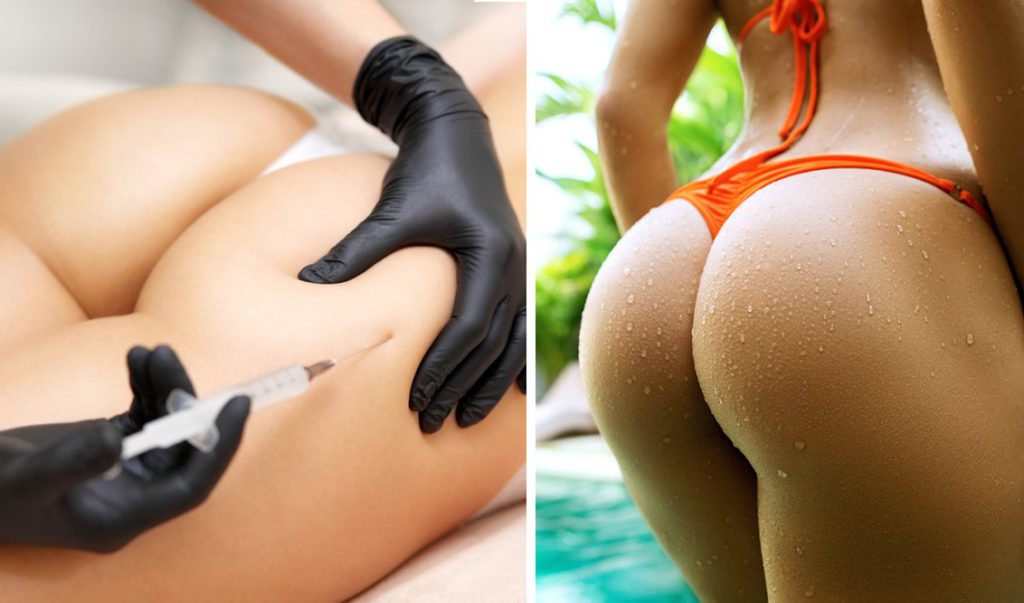
BBL subcutaneous technique is a way of doing Brazilian butt lift by putting fat under the skin but not into the muscle. Research indicates this approach reduces the chance of serious complications such as fat embolism.
Surgeons apply ultrasound and other measures to ensure fat remains where it belongs. Many clinics are doing this safer way now.
To demonstrate how this works and why it matters for the future of BBL safety, the next part of this chapter dissects key steps and discoveries.
The Safety Shift
The bbl safety shift has been a concern for years, with the older muscle-based techniques being associated with increased rates of fatal complications. With accumulating autopsy and clinical data, the pivot toward fat grafts over the muscle became overt. This shift is motivated by the imperative to minimize hazards and enhance patient results and experiences.
Worldwide professional societies now advocate for subcutaneous-only fat grafting, real-time imaging, and increased safety measurements. It’s not just about the way it’s done; it’s about doing it safer for everyone.
Advantages of the Subcutaneous BBL Technique:
- Significantly lowers risk of fat embolism
- Increases fat survival and better contouring
- Supports predictable, safer outcomes
- Endorsed by leading surgical organizations
- Backed by strong clinical and autopsy data
1. Anatomical Layers
There are key layers in the buttocks: skin, subcutaneous fat, fascia, and muscle. Knowing these helps surgeons understand where fat can be safely injected. Subcutaneous fat lies immediately under the skin, on top of the muscle.
Putting fat here instead of deeper has been demonstrated to significantly decrease complication risk. Autopsy evidence showed all BBL deaths were due to fat injected into the muscle, not the subcutaneous layer.
Injection in the right plane is the key. Fat deposited on top of muscle remains in a safer area and is less apt to infiltrate blood vessels. This lets the fat last longer for more organic and sustainable results.
When surgeons are intimately familiar with these layers, their accuracy improves and the chance of damage dwindles.
2. Embolism Risk
Fat embolism is the most dreaded complication in BBL. Older methods presented a hazard of one in three thousand four hundred forty-eight operations. Newer research discovered that by using just the subcutaneous layer, the fatal and non-fatal embolism rate plummets to zero, as demonstrated in over twelve thousand recent cases.
Fat can travel to veins if injected too deeply into muscle in particular, which is highly vascularized. Surgeon skill matters because seasoned plastic surgeons are aware; they know how to steer clear of risk zones and handle complications swiftly.
3. Ultrasound Guidance
Real-time ultrasound is now routine in many clinics. It allows surgeons to visualize the location of the cannula tip, preventing fat from being injected anywhere but the subcutaneous layer. This visualization reduces errors and provides increased control over the procedure.
Ultrasound allows surgeons to notice vessels, muscle, and fat, lowering the risk of accidental deep injections. This extra measure is now broadly supported by ASPS, ASAPS, and ISAPS as an essential safety standard.
4. Cannula Design
Contemporary cannulas have blunt tips and unique shapes to avoid unintentional muscle entry. These shapes reduce impact, protect skin, and assist in the distribution of fat.
Old-fashioned cannulas were pointier and more injurious. That shift to new designs leads to safer results and higher fat survival.
These instruments, combined with proper skill, are crucial to a secure BBL.
5. Pressure Control
Recent research backs low pressure and close oversight. Surgeons keep patients prone for weeks post-op and position them with special pillows to safeguard results. Vitals are monitored, and in high-risk individuals, they are given medications such as enoxaparin to reduce clot risk.
Persistent research and massive reviews indicate subcutaneous BBL slices complications. It’s the clinical evidence and new standards that they still look to for guidance in safe practice worldwide.
Clinical Evidence
Brazilian butt lift (BBL) surgery has evolved over the years, primarily due to safety concerns. Clinical Evidence indicates that research between 2015 and 2018 determined an elevated death risk with previous BBL techniques. About 92% of deaths occurred at high-volume, low-cost clinics that bypassed important safety measures. Both a 2017 study and the ASERF Task Force reported that rate at roughly one in three thousand procedures.
These realities compelled clinics and surgeons to reconsider their strategy. The primary issue was fat injected into or beneath the muscle, which could result in fatal fat embolism should the fat get into large veins.
Patient candidacy is a huge component of BBL safety. Surgeons consider overall health, BMI, and if patients have sufficient fat for transfer. Not everybody is a good candidate. Those with certain underlying health problems, like heart or lung disease, are at increased risk.
Smokers and individuals with bleeding disorders experience greater complications. Infection occurs in 1 to 3 percent of BBLs, along with seroma, fat necrosis, and issues with skin. A smart pre-op check screens out who could be vulnerable to keep issues from taking hold once the knife gets moving.
A thorough preoperative evaluation is critical for optimal results. Surgeons check medical history, perform lab work, and screen for occult health issues. This allows the surgical team to prepare for any potential complications.
For example, a patient with borderline heart function might require additional monitoring or may not be an appropriate candidate at all. Such attention to detail reduces the risk of post-surgical complications such as clots or infection. Surgeons coordinate with the anesthesia team to ensure patients remain safe throughout the procedure.
Body type determines technique for BBL. Some of us carry more fat in certain places, which modifies how much can be transferred. For leaner patients, surgeons might seek out smaller deposits. For the extra fat, it’s about contouring and steering clear of cellulite.
Initially, a lot of people believed the fat should be placed into the muscle to enhance survival, but this was hazardous. New clinical evidence reveals that injecting fat solely into the subcutaneous, or just under the skin, layer reduces risk. By 2019, 85.7% of surgeons used the subcutaneous method, compared to only 39.8% in 2017.
This grand innovation demonstrates a new focus on security in the industry. Open patient and surgeon discussions are essential. Patients should discuss their objectives, concerns, and medical background.
The surgeon describes what is safe and what is not. For example, a patient seeking a dramatic transformation needs to understand what can be done safely. Patients should inquire about measures such as ultrasound guidance, now mandated in certain regions like Florida since July 2023, to ensure the fat remains in the appropriate layer.
This back and forth builds trust and helps set realistic mutual goals.
Patient Suitability
Patient fit for the BBL subcutaneous technique is contingent on a combination of physical, medical, and lifestyle factors. Diligent screening reduces hazards and increases the chances for a healthy, rewarding result. Each factor, from weight to medical background, plays a part in determining who will achieve optimal outcomes with minimum risk.
Body Mass
BMI is a big factor in BBL candidacy. A BMI of 20 to 30 is typically ideal because this range provides sufficient donor fat for transfer while not increasing surgical risk. High BMI patients may provide an abundance of fat for harvesting, but they experience greater rates of complications and can recover more slowly.
Low BMI individuals may not have adequate donor fat, which decreases the opportunity for a favorable augmentation. Being overweight doesn’t necessarily mean you do better. Very high fat volumes can increase the risk of poor fat survival, oil cysts or contour irregularities.
Fat transfer is best suited for patients with moderate, stable fat stores so the surgeon can graft evenly and safely. We check the waist-to-hip ratio. A more defined ratio can help shape the buttocks and the final result. Research demonstrates that patients in the healthy to overweight BMI range fare best post-BBL.
They tend to have fewer complications and maintain better shape over time. Maintaining a stable, healthy weight pre-operatively is one of the best indicators you’ll have for healing well and sustaining results. Patients should avoid weight swings pre- and post-surgery for optimal results.
Skin Quality
There’s skin elasticity to consider. Good skin quality allows the skin to stretch and contract nicely post fat transfer. During your pre-op visits, surgeons examine skin texture, stretch marks, and overall tone. Thin, loose, or damaged skin won’t support the new body shape well, resulting in sagging or uneven contours.
In this scenario, adjunctive treatments such as radiofrequency, laser treatment, or topical medications can assist in optimizing skin thickness and tone prior to surgery. Screening the skin’s condition prevents post-operative surprises.
When the skin is ideal, patients tend to be happier with their results, achieving smoother and more natural contours. Treating skin problems early reduces the likelihood of post-BBL unevenness or rippling.
Medical History
Patient suitability: A comprehensive medical review is essential. Surgeons check for previous surgeries, chronic diseases, and medications that can increase risk. For instance, blood clotting problems or heart conditions could render surgery dangerous.
Certain medicines, such as blood thinners, may have to be discontinued prior to surgery. About patient suitability: Patients should disclose all health information, including supplements and green tea consumption, as some can interfere with bleeding or healing.
Anesthetist clearance ascertains that the patient is good for anesthesia and surgery. Honest discussions about previous treatments, allergies or disease fluctuations enable the team to create the safest possible strategy. The surgical strategy must be appropriate to that specific patient’s fitness to reduce complications and enhance healing.
Complication Risks
BBL surgeries are dangerous. The subcutaneous-only approach has reduced deadly complications. Autopsy data demonstrate that fat injected into the muscle caused every recorded BBL death, while subcutaneous-only fat placement had zero deaths.
It’s this reality that underscores why technique and patient selection are important. Patients should be aware of potential concerns such as infection, fat necrosis, or contour changes. Knowing the signs of issues early, such as pain, redness, and swelling, allows physicians to intervene before things exacerbate.
Patients should stop smoking or drinking alcohol four weeks before and after surgery to facilitate healing. They can’t sit or lie on their butts for approximately three weeks after surgery to preserve new fat cells. Not showering in the first few days aids in wound cleanliness.
Complete results may require two to three months to manifest and therefore patience and subsequent monitoring are necessary to evaluate the effect.
Potential Complications
The BBL subcutaneous technique’s safety is largely contingent on the surgeon’s expertise and pre-, intra-, and postoperative protocol. This is not a straightforward process. It demands a thorough knowledge of anatomy, delicate manipulation of fat, and uncompromising adherence to safety protocols.
The important point is that if fat is injected into or under the muscle, it will lead to a fat embolus. That is, fat gets into your blood, clogs your vessels, and can kill you. That’s why it’s imperative that the surgeon operate only in the subcutaneous layer—the fat layer under the skin but above muscle.
Selecting a board-certified plastic surgeon is the single most effective step in reducing risks. Remember that not all surgeons are equally trained or experienced. BBL surgery requires specialized skills that not every surgeon possesses.
A good surgeon will have the appropriate board certification, along with a history of performing BBLs with safe outcomes. Patients opting for bargain surgery in another country or from a less skilled physician frequently run into trouble. In too many of these instances, these shortcuts resulted in infection, gangrene, or even death.
The expense of repairing a poor outcome or managing health complications can be far greater than the price of protected care originally. Patient-surgeon communication counts. A good surgeon will tell you what to expect, the actual risks, and how recovery works.
They will inquire about your health and ambitions, and won’t push you through. This open discussion helps establish realistic expectations about contour, volume, and what amount of fat will remain. On average, 60 to 70 percent of the fat transferred during a BBL will survive permanently.
The remainder is absorbed by the body during the first few months, so a certain degree of size fluctuation is to be expected. If the surgeon fails to articulate this, patients may be disappointed or suspect something is amiss when it isn’t.
The surgeon’s technique influences outcomes and safety. Being very cautious and gradual is important. Hasty surgeons or surgeons who cram in too many cases in a day may take short cuts, omit steps, or miss early warning signs of complications.
This can increase the risk of clots, infection, and poor shape. BBL requires a diligent aftercare plan. The initial week is the most difficult, with pain, swelling, and difficulty ambulating.
A few days some need home assistance. There should be no lower body or core work for at least 6 to 8 weeks, and most people can only resume all normal activity after 8 weeks.
Surgeon’s Role
Surgeons play a critical role in BBL safety and efficacy, particularly with the subcutaneous fat injection method. Meticulous preoperative planning, surgical technique, and post-operative care all combine to save lives and lower risks. International standards and new protocols frequently initiated by top plastic surgery groups encourage more careful preparation and risk reduction.
Preoperative Planning
For surgeons, they must examine a patient’s health history, body shape and surgical goals early, far in advance of the surgery day. Meeting at least a day in advance really allows us time to go over risks, answer questions, set clear expectations and build trust. It prepares patients for what to expect and allows them to express worries, which can reduce stress and improve results. Open conversations make patients feel more seen and involved in the process.

A solid plan includes mapping out the fat donor areas, planning injection sites, and reviewing the total volume to transfer. Assume the metric system for all measurements. Surgeons should discuss lifestyle factors such as smoking, exercise, and nutrition because these can impact recovery and long-term results. When patients participate in planning, they’re more likely to follow directives and experience positive outcomes.
Intraoperative Skill
A surgeon’s hands-on skill makes all the difference in the safety and aesthetics of BBL results. Technical skill, such as steady cannula control and careful fat layer placement, minimizes fat damage and reduces the chances of injecting too deeply. With mortality rates reported to be as high as 1 in 3,000, the ASERF task force now recommends ultrasound guidance for every BBL to ensure fat remains in the subcutaneous layer. Skipping this step compromises patient safety, which is why leading societies across the globe make it a mandatory new standard.
Flexibility counts as well. Surgeons can encounter unforeseen complications, such as sudden changes in tissue consistency or unexpected bleeding, where improvisation and expertise are essential. Continued education, workshops, and skill refreshers keep surgeons in tune with the safest ways of doing things.
The safest surgeons restrict themselves to three BBLs per day to decrease fatigue and keep concentration high. Data supports this—surgeons who do fewer than three procedures each day have lower complication rates. By 2019, a survey found that as much as 85.7% of surgeons were injecting into subcutaneous fat only, and this transition correlated with reduced mortality rates.
Beyond Technique: Aftercare and Patient Involvement
Success doesn’t end in the operating room. Postoperative care, including wound checks and follow-ups, is key for maintaining results and catching issues early. Surgeons must educate patients on how to care for their bodies following surgery, monitor for warning signs, and maintain healthy habits.
Good education helps set realistic expectations, so patients understand what healing looks like and when to reach out for assistance. Lifestyle choices, from diet to exercise, have a major impact on how long results will last and how quickly patients recover.
Beyond Technique
Safe gluteal fat grafting requires more than just technique. The subcutaneous technique, which places fat only in the layer just beneath the skin and above the muscle, sidesteps the elevated risks associated with deeper, intramuscular injections. This method is currently considered the most secure way to execute a BBL.
In 2022, a multi-society safety advisory set subcutaneous-only injection as the standard of care, designating this layer as the target for fat placement. This shift has already reduced the incidence of serious complications, including fat embolism, a rare but potentially fatal occurrence that happens if fat enters the bloodstream.
Ultrasound guidance is now considered essential to verify where the fat is grafted during surgery. A number of clinics around the world verify and document the fat layer placement in real time. With ultrasound, the surgeon visualizes the cannula’s tip and ensures fat is never injected into or near the muscle.
In Florida, ultrasounds became legally required to guide BBLs as of July 2023. This move doesn’t just raise the bar for safety; it could help define rules elsewhere. The ultrasound is used to bring pronounced advantages. It reduces the risk of errors and provides reassurance to physicians and patients alike.
Fat grafting is a surgical art requiring time, concentration, and trembling-free hands. Any distraction or fatigue can increase the risk of mistakes, so clinics are now more cautious about the work environment and shifts. For instance, a few clinics restrict the daily number of BBLs a surgeon can conduct.
This serves to keep the surgeon rested and alert. The drive for single-surgeon surgery, where one surgeon completes all steps of the operation, is intended to reduce hazards. It reduces mash-up techniques or miscommunication that can occur when work is divided among various people. They find, for example, that single-surgeon cases have fewer complications and better results.
Establishing a foundation of trust with your surgeon is just as important as the surgery itself. It begins with candid discussions prior to the operation. The doctor covers the dangers, establishes clear objectives, and verifies that the patient knows what to anticipate.
After surgery, continuing care and check-ins help catch any early warning signs. This interactive dynamic ensures patients are less likely to overlook crucial stages of their recuperation, such as staying off the grafted region or monitoring symptoms.
Even with all these steps and guidelines, some risk remains. Fat embolism and other issues can still arise. Doctors have to remain on top of new research and techniques while keeping a keen eye on every case.
Conclusion
Physicians now utilize the subcutaneous technique for BBLs to minimize complications and increase safety. Research supports the shift and more surgeons use it annually. They encounter fewer complications and receive more secure treatment with this novel method. Excellent outcomes still rely on selecting appropriate patients and locating experienced physicians. No technique can remove all risks, but the subcutaneous approach offers obvious advances. Patients considering BBLs should consult with their physicians, inquire transparently and discover what’s best for them. To receive top treatment, verify your surgeon’s expertise and understand the technique implemented. Be safe out there.
Frequently Asked Questions
What is the subcutaneous technique in BBL?
For BBL, our subcutaneous technique injects the fat exclusively into the layer below the skin, rather than within or below muscle. It is designed to mitigate life-threatening complications.
Is the subcutaneous BBL technique safer than traditional methods?
Indeed, studies show that the subcutaneous technique reduces the risk of fat embolism relative to deeper fat injections. It is a safer alternative in the hands of trained surgeons.
Who is a good candidate for subcutaneous BBL?
Best candidates are healthy individuals who have sufficient fat for transfer and reasonable expectations. A consultation with a qualified surgeon is required to determine candidacy.
What are the main risks of subcutaneous BBL?
Risks such as infection, fat embolism, asymmetry, and other rare complications exist. Life-threatening fat embolism risk is less than with deep injection.
How does a surgeon’s experience affect BBL safety?
A surgeon’s skill is essential. Experienced surgeons adhere to safety protocols, employ appropriate methods, and closely observe patients. This dramatically enhances BBL safety and outcomes.
Are the results of the subcutaneous BBL technique long-lasting?
The results can even be long-lasting if patients maintain a stable weight. Some transferred fat may be absorbed, but for the majority of patients, there is a long-term enhancement in shape and contour.
What should patients consider before choosing BBL?
Patients should examine the surgeon’s credentials, talk about safety measures, and be informed about advantages and hazards. Knowledge and transparency lead to safer results.
 /
/ 