

Radiofrequency Skin Tightening Solutions After GLP-1 Weight Loss
Key Takeaways
- Fast weight loss from GLP-1 can cause loss of skin elasticity and loose skin, especially as collagen levels decline.
- For instance, radiofrequency skin tightening is a non-invasive option that uses heat to stimulate collagen production and helps improve skin firmness after weight loss.
- The results of radiofrequency treatments depend on factors like your skin type, the area being treated, and even your lifestyle.
- Adding radiofrequency with other modalities such as EMS or microneedling could optimize results and tackle multiple skin concerns.
- Taking care of your emotional health and self-perception is key as you navigate the weight loss and skin tightening path. Professional backing is useful.
- Setting realistic expectations and open communication with practitioners is key.
Radiofrequency skin tightening after GLP-1 is a solution to assist loose skin that can appear after significant weight loss from these drugs. A lot of individuals elect this to iron out wrinkles or looseness.
The following parts cover what to anticipate and safety advice.
The Weight Loss Effect
The weight loss from GLP-1s can transform more than your waistline. Rapid or significant weight loss can leave you with loose skin, so it’s difficult to maintain that tight appearance. Skin accommodates slow, steady weight loss, but large fluctuations can stretch it beyond repair. How the skin snaps back really varies based on age, genetics, the speed of weight loss, and how much was lost.
With many GLP-1 users experiencing looser skin and less bounce, increasing numbers are seeking out ways to tighten up when they get to their goal.
Skin Elasticity
Skin elasticity is your skin’s stretch and snap-back ability, essential for a taut, youthful appearance. It’s collagen that provides skin with this spring. When you lose weight fast, your body produces less collagen. That’s why skin can’t bounce back, leaving flaps or folds.
Water can help a little. Well-hydrated skin remains plumper and more elastic, but water can’t turn back profound changes. Age layers on top of that. As we age, the skin’s collagen and elastin plummet, so weight loss packs even more of a punch. For those of us past our 30s, it’s even harder.
Collagen Loss
Losing too much weight can literally shatter collagen. With less fat beneath the skin to support it and collagen chains disintegrating, your skin is left thin and loose. GLP-1 meds accelerate this by causing weight loss faster than the skin can keep up, which can cause additional collagen loss.
Collagen is key to skin firmness and maintaining a smooth, even texture. Losing this leads to additional wrinkles and sagging. Some swear by vitamin C-laden foods, retinoid creams, or even microneedling to stimulate new collagen. Others explore radiofrequency skin tightening for more in-depth changes post-weight loss.
Patient Factors
| Body Area | Loose Skin Risk | Tightening Response | Notes |
|---|---|---|---|
| Abdomen | High | Moderate | Common after big losses |
| Upper arms | High | Low | Skin often thin here |
| Thighs | Moderate | Low | Hard to tighten naturally |
| Face/Neck | Low | High | Responds better to treatments |
| Chest/Breasts | High | Low | Needs more support |
How your life can alter your skin’s response. Smoking, a bad diet, and minimal exercise all sap skin vitality and impede bounce-back. Each body part behaves its own way.
Hard areas such as upper arms and thighs tend to sag more, while the face and neck occasionally bounce back with attention or a little assistance. For a lot of people, the sight of loose skin is more than just physical. It can impact confidence and mental health.
Others are disappointed that, after working hard to shed the pounds, they’re now confronting fresh concerns about their skin.
Radiofrequency Solution
Radiofrequency (RF) skin tightening is a non-invasive option for smoothing and firming loose skin after weight loss, including in GLP-1 users. It uses internal energy to heat the deeper layers of skin, causing tissue tightening and collagen regeneration. RF has a deep clinical dermatology pedigree, with research for more than two decades supporting its safety and efficacy for skin laxity.
It’s a favorite among those looking for a downtime and risk-free treatment option as more and more people lose weight to GLP-1s.
1. The Mechanism
RF energy passes through the skin, focusing on the dermis without damaging the surface. The heat generated by RF, typically 40 to 43 degrees Celsius (104 to 109 degrees Fahrenheit), causes existing collagen fibers to immediately contract, resulting in a taut sensation post-treatment.
This temperature range ignites the body’s own healing mechanism of neocollagenesis, which generates new collagen in the ensuing six months. Unlike surgery, RF treatments don’t have cuts or scars. It even melts tiny fat pockets to smooth contours, which some appreciate following weight fluctuations.
The results are cumulative, so you experience instant and lasting enhancement.
2. The Candidate
The ideal candidates for RF skin tightening are individuals with mild to moderate skin laxity after weight loss, like many GLP-1 users. Prior to treatment, a skin consultation is required to evaluate the severity of laxity and skin condition.
RF can be utilized on the face, neck, arms, abdomen, and thighs, which makes it a great all-around option for various post-weight loss areas. Knowing what to expect is crucial. Patients with realistic expectations tend to be happier with the outcome.
3. The Procedure
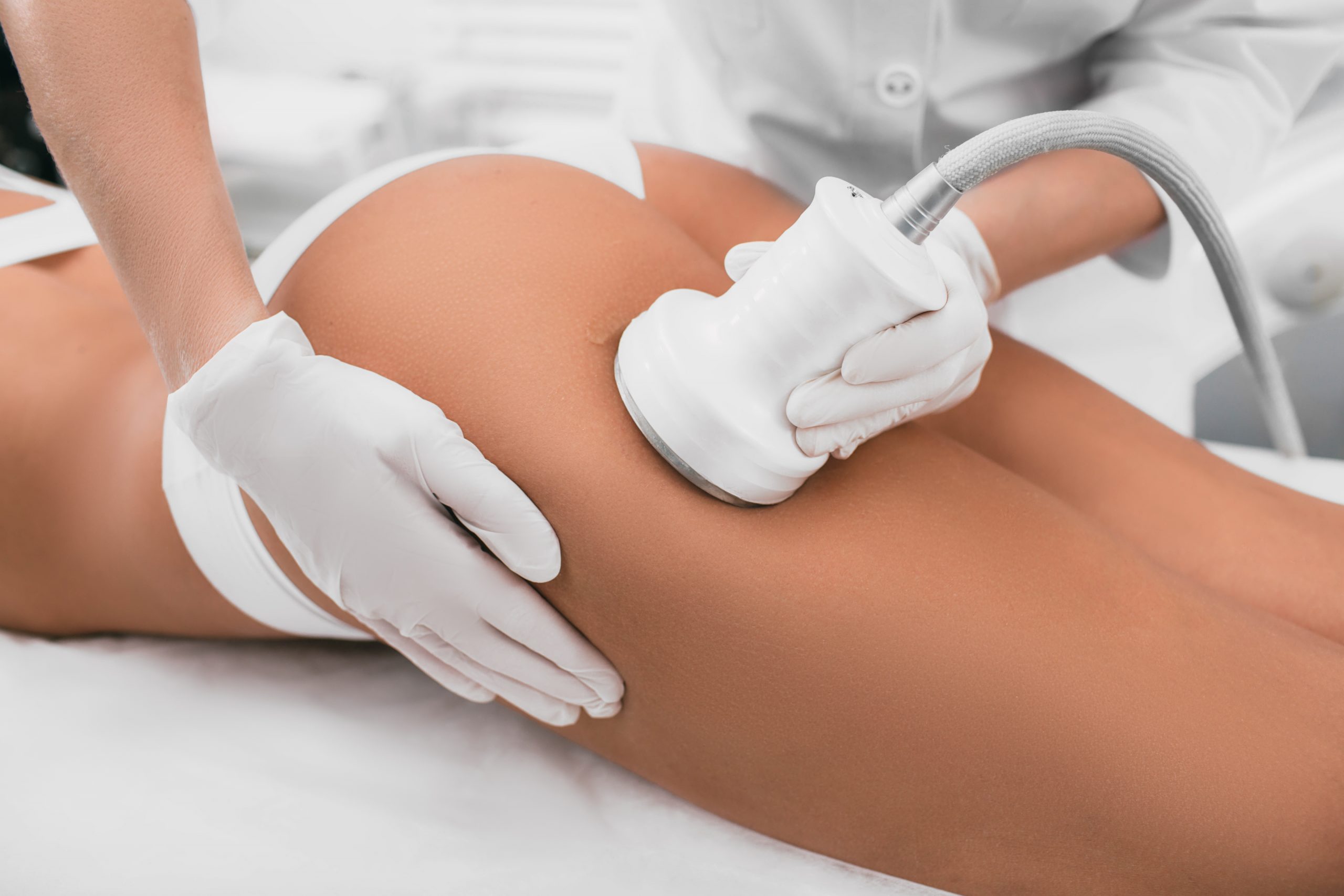
A standard RF treatment is simple. The practitioner smears conductive gel and then swipes a wand-like tool across the treatment area. Each area, like the lower belly or upper arms, requires 10 to 15 minutes.
Almost all patients feel a warm mild sensation with minimal to no pain. Side effects are uncommon and typically mild, such as redness or minor swelling. For optimal results, clinics customize session count and settings for each individual’s skin and goals.
4. The Results
A lot of people experience an almost immediate lift and tightening following their initial session. As fresh collagen replaces the old, the skin continues to become firmer and smoother for up to a year.
Results vary by age, skin quality, and number of treatments. Slow evolution is par for the course, therefore it serves us well to have people anticipate consistent, not immediate, outcomes.
5. The Timeline
We can see visible results within a few weeks that just keep improving over the course of several months. Age, skin type and body response can influence the speed at which changes appear.
Follow-up sessions keep you firm as your weight plateaus. Maintaining a healthy diet and skin care can assist in prolonging the effects and avoiding new laxity.
Treatment Synergy
When it comes to skin treatments, the synergies are real. This is what we call treatment synergy. For rapid weight-losers on GLP-1 medications, skin can sag and lose volume. The right blend of treatments, including radiofrequency skin tightening, fillers, and other energy-based devices, can bring back firm, youthful-looking skin.
By blending these techniques, patients can address multiple skin concerns simultaneously from sagging to hollowing to tone inconsistency. Treatment synergy involves spacing treatments, such as between fillers and energy-based procedures, 2 to 4 weeks apart, which helps to prevent unwanted side effects and allows the skin to heal optimally.
With work every 6 to 8 weeks at first and then every 4 to 6 months for maintenance, treatments provide gradual enhancement and long-term effects.
EMS Combination
- Boosts muscle tone for more lifted appearance
- Combines with radiofrequency to tighten both skin and deeper tissue.
- Helps keep facial features defined during weight loss
- Supports collagen growth for better skin feel and look
- Makes results last longer with routine treatments
Combining the power of EMS with radiofrequency skin tightening delivers more than just tighter skin. EMS causes muscles to contract, supporting the skin. This combination comes in handy for faces that have deflated after rapid weight loss.
With firmer muscles, there is less sag and a more youthful appearance. EMS makes skin cells work better by increasing blood flow and collagen. This synergizes with radiofrequency heat, which targets the skin’s deeper layers. Together, they enhance firmness and skin health.
Patients who incorporate EMS into their protocol are surprised by how much fresher and more toned they appear. For anyone looking to maintain their results, combining EMS with radiofrequency is a must-try.
Microneedling Addition
Microneedling is a powerful ally for radiofrequency. It employs micro-needles to initiate the skin’s self-healing cascade, which accelerates collagen production and evens out bumpy or sagging skin. When combined with radiofrequency, microneedling penetrates deeper, rendering both treatments more effective for sagging skin.
Most discover that microneedling fills near lines and restores skin bounce. This is the secret for all of you who dropped a ton of pounds and suddenly see an abundance of ‘folds’ or ‘creases’ on your body. The additional collagen from both treatments means that the skin can tighten and heal concurrently.
A smart plan using microneedling with radiofrequency and, when necessary, fillers can assist patients in achieving consistent, natural-appearing results. Easy things like taking monthly photos in the same light allow patients to monitor their progress and adjust their plan as necessary.
Beyond The Surface
Loose skin after massive weight loss is more than a physical concern. It runs deeper, affecting self-image, confidence, and mental health. A lot of folks experience loose skin on the belly, thighs, arms, and buttocks after GLP-1 use. Tried and true treatments such as RF skin tightening can assist with texture and mild cellulite, and the emotional side of this journey is every bit as important as the physical results.
Emotional Impact
Skin laxity can be an emotional roller coaster. For others, the bliss of hitting a healthy weight becomes clouded by the presence of loose folds or stubborn fat pockets. This may result in shame, self-consciousness, or even refusal to wear specific garments or engage in social events. Others may be bummed that their work didn’t result in the “tight” look portrayed in magazines.
Mental health support is crucial during this period. Being open with your healthcare providers about body image and emotional stress can assist. Most individuals find it helpful to participate in counseling or support groups, where they talk about experiences and acquire coping skills. Such steps do a lot to reduce anxiety and develop stamina for the coming phases of transition.
Skin tightening and muscle rebuilding doesn’t happen overnight. Most see results within 2 to 3 weeks, while others require a few months. Patience is required, as is understanding that emotional healing may take a different path than physical.
Body Image
I see body image can change following weight loss. What we see in the mirror may not reflect how people feel on the inside. Societal standards only exacerbate it, causing loose skin to feel like a defect, even when it signifies wonderful advancement. We tend to target that pesky, age or genetically induced, stubborn fat that lingers around the lower abdomen or flanks.
It takes practice to build a positive body image. Self-acceptance is not an instant solution. Patients are empowered to embrace what they have accomplished, a healthier, stronger, more confident self, irrespective of how their skin appears.

Maintaining and reconstructing lean muscle is a huge component to remaining toned. Your muscle is like an undergirding to your skin, so skin tightening treatments like RF energy, peptides, and good nutrition can make a difference. Waiting until weight has stabilized, usually three to six months at goal, produces the best results with contouring treatments.
Few will experience redness or swelling post-procedure, but the majority will resume their routine activities shortly.
Realistic Expectations
RF skin tightening post GLP-1 weight loss is a non-invasive option for those with loose skin. It helps, but the results are typically less grand than surgical options. A frank discussion about what these treatments are and what they’re not lays the groundwork for reasonable expectations.
Below is a table showing the difference between non-invasive and surgical options.
| Aspect | Non-Invasive (Radiofrequency) | Surgical (Body Lift, Tummy Tuck) |
|---|---|---|
| Result Level | Moderate | More dramatic |
| Recovery Time | Short (days) | Longer (weeks to months) |
| Scarring | Minimal to none | Visible scars |
| Swelling/Bruising | Mild, short-term | Moderate, lasts weeks |
| Skin Tightening | Gradual, methodical | Immediate, more noticeable |
| Maintenance Needed | Yes, repeated sessions | No, but weight stability needed |
| Risks/Complications | Lower | Higher |
Limitations
Radiofrequency treatments like BodyTite or Renuvion can provide some degree of tightening for mild to moderate skin laxity. If you’re a massive weight loss patient—say 50 kilos plus—these may not quite live up to your dreams.
Extreme skin redundancy generally needs to be cut off to see a difference. Certain skin types, particularly those with low elasticity or heavy sun damage, may be poor candidates for radiofrequency.
People with some medical conditions or connective tissue disorders may experience limited gains. Weight loss makes a difference. Patients who lose 20 kg typically have different skin tightening requirements than those who lose 70 kg or more.
Patients should be aware that more than one treatment may be necessary to achieve the best outcome. Others might require extra treatments or a mix of non-invasive and surgical methods to achieve their goals.
Transparent conversations with an experienced practitioner can assist in sorting out what is possible and if surgery is a better option. Careful consideration of all potential interventions is warranted, particularly if there is a great deal of skin excess.
For those with significant skin laxity following a significant volume loss, surgical body contouring, such as abdominoplasty and lower body lift, can provide more dramatic results.
Maintenance
- Keep your weight steady for six months after weight loss.
- Avoid rapid weight changes to prevent new skin laxity.
- Use sunscreen to protect skin from UV damage.
- Be sure to hydrate yourself and maintain a healthy diet to facilitate the repair of your skin.
- Adopt a skincare routine with moisturizers and topical antioxidants.
Incorporating daily skincare can help extend the results. Vitamin C or hyaluronic acid moisturizers and serums keep skin supple and can slow new sagging.
Regular check-ins with a professional can help evaluate advancement. By adjusting the treatment plan or timing maintenance sessions, you can make results last longer. Some might require touch-up sessions once or twice a year.
Your Next Steps
Radiofrequency skin tightening post GLP-1 weight loss is an excellent practical option for many looking to combat loose skin and facial volume loss. Every individual’s journey is different, so thoughtful preparation and discussion with an experienced practitioner are essential.
Pairing treatments, like iLaser shrink-wrapping, Sculptra or Radiesse, can aid with both tightening and collagen rebuilding. Begin with a crisp understanding of your needs, your skin status, and what’s out there.
Consultation
During a consultation, you can expect a thorough review of your skin condition, medical history, and weight loss journey. The practitioner usually examines areas of concern, checks for volume loss in spots like the mid-face and jawline, and asks about your main goals.
Sharing your medical history, including any previous treatments, helps them choose the safest and most effective plan for you. This step matters because some treatments, like FaceTite or radiofrequency microneedling, may suit certain skin types or stages of weight loss better than others.
Evaluation factors are included here as well. The provider might measure your skin laxity or use imaging systems to monitor changes. This information directs a customized treatment plan, whether it involves collagen reconstruction, tightening, or a combination of the two.
Being transparent about your expectations and inquiring will help ensure your plan suits you!
- What are the risks and side effects for my skin type?
- How many sessions will I likely need?
- What downtime should I expect?
- Are results permanent or will I need maintenance?
- Which treatment combinations are best for my concerns?
- Assuming I’m starting at my weight loss status, when is the optimal time to begin?
Preparation
Preparing for a treatment begins with easy actions. Adhere to the practitioner’s pre-treatment rules. Discontinue certain skin products, avoid aspirin, and keep skin moisturized.
These actions reduce hazards and make skin react more favorably. Drink water and maintain a good diet, both of which aid in skin health. For a few others, it’s beneficial to avoid sunburn and quit smoking, which may impede healing.
Getting the mind ready is equally crucial. Anticipating and managing expectations makes the journey easier and less fraught.
Aftercare
Post-treatment, care is just as important as prep. Cover skin from sun, apply broad spectrum screen, and keep moisturized to promote healing and prevent discoloration.
Keep hydrated, which aids collagen rebuilding and elasticity. Plan follow-up visits to review your progress and adjust treatments as needed, especially since results can last up to two years with good upkeep.
Healthy habits, like a balanced diet and regular activity, help keep results strong.
Conclusion
Radiofrequency skin tightening provides actual assistance with loose skin after GLP-1 weight loss. Most experience firmer skin and more lift, with less sag and lines. Each session can work with your body’s existing healing. Results look natural, not rigid or artificial. Some observe differences within weeks. Others experience optimal results following additional sessions. The great majority return immediately to daily life. There are not huge risks for most, but always consult with a dermatologist first. It’s your health and your needs that mold the plan. Consult with a reliable skin specialist. Find out, get clear goals, and discover what’s best for your skin. Inquire and select secure treatment for optimal outcomes.
Frequently Asked Questions
Can radiofrequency skin tightening help after GLP-1 weight loss?
Yes. Radiofrequency (RF) skin tightening can improve skin firmness and reduce laxity that may appear after losing weight with GLP-1 medications.
Is radiofrequency treatment safe after using GLP-1 medications?
Radiofrequency skin tightening after glp-1. Check with your doctor to be sure it’s appropriate for your skin and health needs.
How soon after GLP-1 weight loss can I try radiofrequency skin tightening?
Most doctors suggest waiting until weight is stable. This facilitates optimal and long-lasting results. As always, see your doctor first.
Will RF skin tightening work on loose skin from rapid weight loss?
Radiofrequency can be effective in enhancing the look of mild to moderate skin laxity. Results differ depending on age, skin type and laxity.
How many radiofrequency sessions are needed after weight loss?
Tend to require at least a few sessions, often 4 to 8, a few weeks apart for best outcomes. Your provider will design a plan for you.
Are there side effects to radiofrequency skin tightening?
RF skin tightening is typically well accepted. Temporary redness, slight swelling, or warmth at the treatment site are typical and generally fade within hours.
Can I combine radiofrequency with other treatments after GLP-1 therapy?
Yes. A lot of people pair RF with other non-invasive treatments, like ultrasound or fillers. Just always talk about combo plans with your provider.
 /
/ 