

How Can I Track My Weight After Liposuction?
Key Takeaways
- Swelling and fluid retention post liposuction can momentarily add to your scale weight. The scale might not show real fat loss within the initial weeks.
- Don’t just track weight. Use a combination of body measurements, progress photos, clothing fit, and body composition to get a more complete picture of your advancement.
- Continuing healthy habits such as good nutrition and exercise will sustain your long-term results and overall health.
- Be realistic about the weight changes and talk to your healthcare professional for advice.
- Handle mental health by concentrating on non-scale victories and cultivating a good, patient mind throughout your journey.
- Keep in mind individual factors such as age, metabolism, and genetics when tracking your progress. Modify your approach accordingly for optimal results.
Liposuction weight tracking post surgery
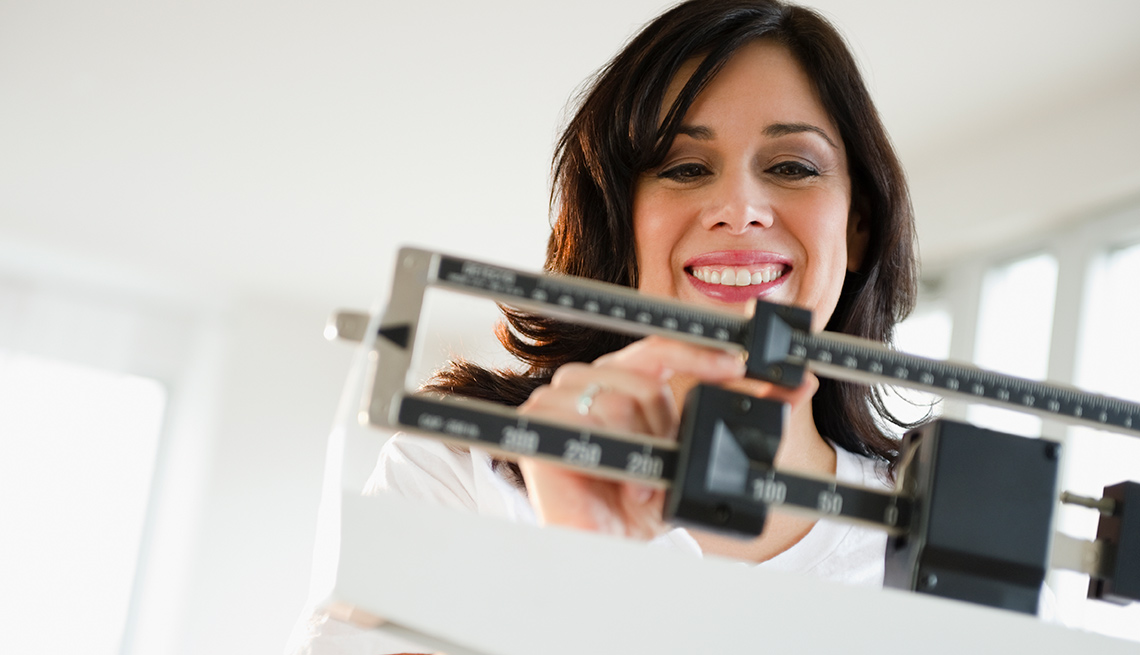
A lot of folks use a simple digital scale to track progress weekly. Others jot down changes or track with an app.
Doctors recommend tracking to identify trends, monitor swelling, and establish realistic goals. Understanding how to monitor weight keeps patients in the loop on recovery.
Part two is about simple, actionable fat weight tracking after surgery.
Why The Scale Lies
Weight tracking after liposuction can be misleading if the scale is the only method used. Many people notice quick changes in weight, but these shifts don’t always reflect fat loss or body contour improvements. Early on, swelling and fluid retention can cause the numbers to jump up or down, masking any real progress. This makes it hard to judge results based on weight alone.
Even small changes of 2 to 5 kilograms are common and may not affect the look you get from liposuction. Larger weight gains, especially above 10 percent of your starting weight, can change your shape and reduce the effects of the procedure.
Initial Swelling
Swelling is liposuction’s natural reaction. Immediately post-surgery, the treated regions can still feel puffy or hard. This swelling can persist for weeks and it conceals fat loss on the scale. Some individuals experience a post-surgical weight gain of a few kilos despite having fat extracted.
Swelling can persist, typically hitting its highest point within the first few days and tapering off over weeks or months. Weighing yourself each morning, at the same time, allows you to observe trends and not become misled. With a log or calendar notes, it’s easier to observe when the swelling begins to recede.
Allowing the swelling to subside is a better indication of your impact.
Fluid Retention
| Strategy | Details |
|---|---|
| Hydration | Aim for 2–2.5 liters of water per day |
| Balanced Diet | Less salt, more veggies and protein |
| Track Intake | Keep an eye on beverages and foods that can cause water retention. |
| Daily Exercise | Light activity helps with the swelling. |
Your body tends to retain fluid after surgery and that makes the scale go up. This wasn’t fat weight; it was additional water that the body was retaining. Drinking enough water, eating less salt, and staying active keeps this in check.
Tracking your weight in parallel to your fluid consumption can help make it obvious when quick gains are from water and not fat. No matter what, most small jumps of about 2 to 5 kg are nothing to worry about.
Fat Versus Muscle
Liposuction takes away fat; it doesn’t alter muscle. So if the scale appears to be stuck, it might be because the muscle weight is still lurking. Body composition check is a better way to see it changing. Body fat calipers or smart scales that can measure fat and muscle are helpful tools.
These provide a more complete view of your health than the scale by itself. Concentrate on how your clothing fits, how you feel, and your energy. Real progress manifests in your daily life, not simply in statistics.
Nobody ever said it was easy, but staying active, eating well, and checking in with your habits will keep your results long-term.
How To Track Progress
Tracking post-liposuction progress requires a strategy that extends beyond the scale. Swelling and bruising ebb and flow, and real results unfurl over months. Pairing multiple tracking tools provides a more accurate picture of transformation.
Plan goals around different metrics such as body shape, fit of clothes, or muscle mass, not simply weight. Scheduling your progress check weekly or monthly helps you more easily see trends and stay on track. Some opt to maintain a recovery journal or photo diary from day one, which records the small shifts that otherwise become lost in the amnesia of memory.
1. Body Measurements
Grab a soft tape measure and measure your waist, hips, thighs, arms, or any liposuction’d spot. Grab these figures bi-weekly and record them in a notebook or mobile app. When you compare these numbers over time, you’ll observe shifts that the scale may not reflect, particularly as swelling typically tops off on day two or three and diminishes over the following months.
Target trouble areas you were hoping to transform, such as your lower belly or thighs to boost your motivation. As we track inches lost, we see that this can come before the final contour, which takes a year to fully reveal.
2. Progress Photos
Snap clear photos in the same pose, lighting, and clothes every few weeks. Over months, these pictures provide a narrative the scale can’t. Many of them share their photos with friends, family, or online groups to get support and encouragement.
Comparing side-by-side shots from week three, month two, and month six can make even gradual transformations starkly evident. This pictorial timeline provides a big confidence boost in those moments when results seem slow or swelling fuzzes daily changes.
3. Clothing Fit
Try on your regular jeans, shirts, or dresses every couple of weeks. Clothes that used to be snug might begin to slide off after the swelling subsides. When it starts to suddenly feel too loose, it’s a sure sign of change.
Others enjoy giving away or reworking clothes that no longer fit as a progress tracker. Clothes are an easy and motivating progress tracking device because fit changes can manifest prior to the “final” six or twelve month results.
4. Body Composition
Home scales with body fat analysis or trips to a gym can help measure fat, muscle, and water percentages. Monitoring these figures provides a more comprehensive image of wellness than weight by itself. If you don’t know how to read the data, a fitness coach or healthcare provider can interpret what’s going on inside your body.
Measure progress. Instead of setting a goal weight, set a new muscle gain or fat loss target, especially because lipo is about shape, not kilos.
5. Smart Technology
Apps and wearables can track weight, steps, heart rate, and even body measurements. Tools such as smart scales pair with your phone so everything is in one place for easy tracking. Wearables track sleep and activity too, helping you identify patterns that could impact healing.
Reminders and notifications from these tools can keep you consistent with your tracking schedule, which makes it easier to observe progress over time.
The Mental Game
Post-liposuction weight tracking isn’t only about the pounds. How they think and feel about their bodies counts just as much, if not more. The mental game determines how results are perceived, how advancement is quantified, and how slumps are managed. An even mindset maintains motivation, sustains long-term effort, and shields mental health in recovery.
The procedure tends to ignite anxieties, second-guessing, and emotional turmoil. Some patients experience a wave of confidence in the months following surgery, while others require a little more time to acclimate. Studies find that pressure to look a certain way impacts roughly 70 percent, stoked by media and day-to-day living. Up to 30 percent of patients can be depressed post-surgery, so don’t ever forget about mental health support.
Early assistance from a mental health expert, small habits such as walking or eating healthy, mindfulness exercises like deep breathing — they can all make a big difference.
| Concern | Common Feelings | Practical Strategies |
|---|---|---|
| Mood drops | Sadness, fatigue | Short walks, connect with others, ask for help |
| Body dissatisfaction | Worry, self-doubt | List non-scale gains, challenge harsh thoughts |
| Slow progress | Frustration, impatience | Break goals down, track small wins |
| Social pressure | Embarrassment, anxiety | Limit screen time, focus on self-care |
| Feeling stuck | Hopelessness, stress | Try mindfulness or breathing, set a daily goal |
Body Dysmorphia
Body dysmorphia can warp how results are perceived. It can make flaws feel larger than they are, even when healing is headed in the right direction. For others, this can manifest as an obsessive need to check mirrors or against others, making it difficult to acknowledge legitimate gains.
Approximately 7 to 15 percent of cosmetic surgery patients have some degree of body dysmorphic disorder, so it is not uncommon to encounter these thoughts. Professional support from a therapist can assist if a distorted body image interferes with daily functioning.
Empowering yourself with body-positive education and reading other people’s stories can help you focus on your strengths rather than faults. Self-kindness, patience, and embracing baby steps can simplify recovery.
Patient Expectations
Goal-setting on actual results, not on perfection, can assist. Talking candidly with a doctor about what is possible keeps expectations grounded. Every patient heals at his or her own pace. Therefore, any progress tracking should be a function of individual pace and lifestyle.
If recovery feels slow, it’s useful to search for micro victories, such as improved mobility or reduced swelling. Tracking these good shifts, no matter how minor, maintains momentum and optimism.
Non-Scale Victories
- Fitting into old clothing comfortably
- Walking longer distances without fatigue
- Sleeping better at night
- Cooking more meals at home
- Feeling confident enough to join group activities
Non-scale victories, such as new habits and better fitness, are worth celebrating too. Other patients recount tales with buddies or support groups. This creates a feeling of advancement that isn’t correlated with a figure.
You can keep a list of these milestones for hard days. It simplifies seeing your general momentum and helps preserve the big picture of the trek.
Lifestyle’s Role
Lifestyle’s role plays a huge role in maintaining liposuction results. Habits that you can sustain are worth far more than hacks. To maintain weight and get health on track, habits have to work in real life.
Lifestyle’s role: Daily choices around nutrition, activity, and stress all influence the way the body stores fat and preserves muscle. Small weight fluctuations, typically 2 to 4.5 kg, won’t undo the sutures of surgery, but larger swings will make an appearance in new locations.
Lifestyle’s part: A well-rounded approach of nutrition, exercise, and care keeps results sustainable and life healthy.
Nutrition
- Eat a variety. Plan meals with a combination of vegetables, fruits, grains, lean protein, and healthy fats.
- Use whole-food ingredients instead of processed food.
- Go for color and texture variety in your nutrition.
- Drink a minimum of eight to ten glasses of water daily.
- Adjust hydration based on age, activity, and local climate.
Plan your meals to consume whole foods. This bolsters recovery and provides the body the nutrition it requires for energy and repair. Being careful to avoid processed foods and added sugars can prevent weight gain, which tends to manifest more easily in untreated areas post-liposuction.
Watch your portions. Eat mindfully. That is, stop when full and don’t eat to deal with stress or boredom. This lifestyle habit helps keep weight stable well beyond surgery.
Meal prepping can assist busy individuals in adhering to healthy habits. When you prepare meals in advance, it removes the guesswork and allows you to be more likely to select healthy meals even on busy days.
Exercise
- Write down fitness goals that match personal health aims.
- Try walking, cycling, swimming, or group classes for variety.
- Slowly raise workout time and effort as strength returns.
Try to get moderate exercise for at least 150 minutes a week. That helps keep the weight from creeping back and maintains muscle tone. Selecting activities that you enjoy can go a long way toward shifting exercise into the realm of lifestyle rather than obligation.
For others, it might be dancing, hiking, or a sport. Begin slow if new to exercise or still recovering. Only increase time and intensity as your body permits. Slow and steady wins the race and is a lot safer and more sustainable.
Fitness goals ought to be specific but flexible. Life’s crazy, so discover ways to insert movement into the schedule. Even the simplest of things, such as taking the stairs or walking after meals, help.
Personal Factors
Weight maintenance post-liposuction is influenced by countless individual variables. Everyone’s body responds to them differently, so results and experiences vary day-to-day. Your lifestyle, genetic predisposition, and age all contribute to how your body stores fat, holds onto muscle, and adapts over time. Customizing the approach to suit individual needs is crucial for maintaining long-term success.
Age
Age influences metabolism and body composition post-surgery. As the body ages, metabolism slows, making weight easier to pack on and harder to shed. Muscle mass has a way of falling off as you get older, while fat can creep in around the belly or other uncooperative areas. If you’re in your 20s, you might recover and retain muscle quicker than if you’re in your 50s or 60s.
Tuning your workouts and diets to your age is essential. Older adults can benefit from incorporating a combination of cardio, resistance, and flexibility sessions each week. Consuming adequate protein and emphasizing well-rounded meals is muscle-sparing.
Simple daily habits like sleep and stress take a bigger toll on aging bodies. Being aware of age-related risk, like diminished bone density or heart health, helps to ground goals in reality. Don’t compare your progress to others. Compare it to how healthy you feel and how comfortable you are in your own skin.
It’s not about racing to stay ahead of the pack. It’s about feeling backed and empowered at every step.
Metabolism
Metabolism is the driving force behind the body’s calorie-burning and fat-storing mechanisms. It’s one of the biggest reasons people experience different outcomes following liposuction. Basic habits can maintain metabolic consistency. Three good meals, water, and some movement each day make a big difference.
By scheduling at least 150 minutes of moderate exercise a week, you keep your results. Combining cardio, resistance, and mobility work is superior to specializing in only one style of movement. Metabolism can fluctuate in recovery, so it’s smart to keep tabs on how your body feels week to week.
Others may experience weight swings of 2 to 4.5 kg, which are both normal and harmless. It’s useful to refer to guides on metabolic health to identify any major shifts. A checklist—drink, eat a balanced meal, move, sleep, stress breaks—can make maintenance easy.
Genetics
Genetics usually dictates body shape and fat distribution post surgery. For some, you will experience quicker turnaround in certain areas and slower in others. Still, genes do not trap anyone into a particular route. Opting for regular habits such as nutritious eating, regular exercise, and meditation wields greater impact on outcomes than your genes.
Being within five kilos of your target weight is a decent indicator that the gains are permanent. Small weight swings, even five to ten pounds, are normal and do not negate the advantage of surgery.
When larger shifts occur, they tend to manifest initially in places not liposuctioned. It’s good to honor your body’s journey by seeking fit and comfort, not shape or size, in your clothes. Confidence frequently increases post-liposuction. Clothes tend to fit better and self-image can get a boost.
Common Pitfalls
Post-lipo, weight tracking can keep your targets in check. These mistakes tend to sabotage permanent results. Understanding these pitfalls and how to sidestep them is crucial for consistent advancement and a sound mindset.
Obsessive Weighing
Common Pitfalls: Obsessing over daily weight causes stress and illusions of hope. Bodies retain water after surgery or a salty dinner and this moves the number on the scale from one day to the next. Weighing yourself daily might not assist you as these little fluctuations do not indicate actual variations in fat or recuperation.
Restricting weigh-ins to once a week or less can reduce stress and provide a more accurate sense of how you’re doing. Following alternative signs, such as how your clothes fit or how your energy feels, interrupts the compulsion cycle. Waist measurements and progress photos are good alternatives.
If the scale becomes something you dread, it might do well to distance yourself for a bit. Employing a variety of such tracking methods, not just one, helps develop a healthier relationship with both your body and your journey.
Unrealistic Timelines
Eagerly anticipating immediate results post-liposuction usually spells disappointment. Most individuals experience swelling for weeks and it can be months until that ultimate shape emerges. Others desire to land at a target weight in a couple of weeks or three, but recovery isn’t that straightforward.
Everyone’s recovery is unique. Variables such as age, genetics, and lifestyle significantly impact the time it takes to see results. Attempting to force the issue by shoving workouts or skipping rest can backfire.
For instance, diving back into hard-hitting sports or vigorous workouts prior to four to six weeks can lead to swelling or damage to the treated region. Adhering to the doctor’s schedule for rest and activity is imperative.
Small victories, such as consistent increases in activity or maintaining post-operative protocols, are much more satisfying and achievable than trying to hit magic bullet goals. Patience allows the body to heal properly and decreases the risk of flare ups.
Poor Habits
Old habits can creep back post-surgery and stall progress. Dehydration, for instance, can exacerbate swelling and impede skin repair. Target a minimum of eight glasses of water daily to flush toxins and heal. Smoking slows recovery too and should be avoided for weeks prior to and after the procedure.
Disregarding post-op care, such as not wearing compression garments or skipping follow-up appointments, can lead to increased swelling, bruising, or infection. Long baths or submerging the treated area too early increases infection risk.
Massage, if done too hard or too early, can damage tissues; get a specialist to advise. Creating new habits, such as healthy snacks and reminders for hydration, can help bypass old cues.
Reminding yourself of previous failures, such as skipping aftercare or going back to heavy exercise too early, can prevent you from repeating them. Accountability, whether through journaling or support groups, gives structure and keeps you on track.
Conclusion
Liposuction won’t provide immediate victories on the scale. Our bodies require time to settle and heal. Swelling, water retention, and slow fat loss can disguise actual transformation for weeks. To witness actual movement, monitor clothing, take consistent pictures, and measure inches with a flexible tape. Be consistent with your nutrition and exercise. Discover how to deal with stress and maintain your sanity. Each individual’s journey looks somewhat unique. Beware of old habits and band-aid solutions. Concentrate on bite-sized steps that endure. For extra peace of mind, schedule follow-ups with a reputable clinic or support group. To give yourself the best chance at long-term change, continue tracking, remain honest, and ask for support when you need it.
Frequently Asked Questions
How soon after liposuction should I start tracking my weight?
Wait two weeks post surgery before tracking weight. Swelling and fluid retention can misrepresent your results during early recovery.
Why does my weight seem unchanged after liposuction?
Swelling and fluid retention after liposuction can hide fat loss on the scale, keeping your weight the same for weeks.
What is the best way to track progress after liposuction?
Pair this with measuring your body in centimeters, regular photos, and how clothes feel. This provides a more complete snapshot than weight by itself.
Can lifestyle changes impact my results after liposuction?
Yes, eating right and exercising keeps results in place. These habits keep you healthy, help your body heal, and prevent additional weight gain down the road.
What mental challenges can I expect after surgery?
Of course, it’s human nature to get impatient about things moving slowly. Realistic expectations and small-step thinking can help control these emotions.
Are there common mistakes people make when tracking weight after liposuction?
Yep, weighing yourself too soon or too often is the rookie error. Daily weight tracking is deceiving because some normal swelling occurs after surgery.
Do personal factors affect post-surgery weight tracking?
Yes, age, genetics, and health can impact recovery. These factors determine how fast you observe results on the scale.
 /
/ 