

Liposuction After Weight Loss Injections: Timing, Benefits & Body Contouring
Key Takeaways
- So liposuction is a contouring procedure, best done after weight loss shots when weight has plateaued, not for weight loss itself. It works great to get rid of the stubborn subcutaneous fat remaining after medical weight loss.
- Great candidates have stable weight, good health, and attainable expectations. Patients with continued weight shifts, unstable metabolism, or unaddressed obesity should postpone surgery.
- For instance, wait at least 6 to 12 months after major weight loss or bariatric surgery and confirm that your weight is stable and ran your metabolic labs before scheduling liposuction.
- Evaluate skin tone and tissue elasticity as most massive weight loss patients require some degree of skin excision or lifts for the best results.
- Recovery necessitates a regimented plan involving compression garments, a gradual return to activity, nutritional monitoring, and close follow-up to minimize complications and promote long-term results.
- Marry the best of medical weight management, nutrition, exercise, and precision cosmetic procedures for enduring results. Schedule periodic recalibrations of weight, body composition, and metabolic health.
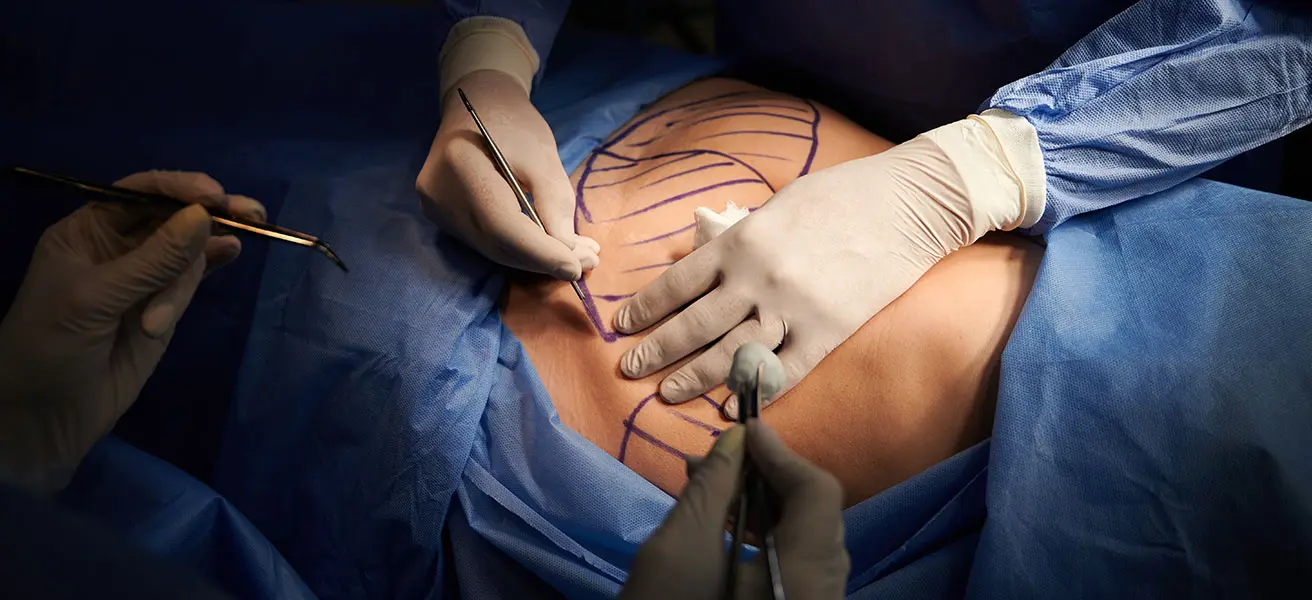
Liposuction after weight loss shots is a surgical procedure to remove stubborn fat that stays after medical injections. Patients usually request it when shots decrease overall size but leave some resistant pockets that won’t budge.
It addresses pockets on the abdomen, hips, thighs, and arms and may enhance body contour and the way clothes fit. We discuss skin quality and overall health and set realistic expectations to time and technique plan.
Weight Loss vs. Contouring
Weight loss is the reduction in total body weight through diet, exercise, medications or surgery.
Contouring specifically targets those areas where fat tends to linger no matter your weight fluctuation. This distinction is important when you’re thinking about liposuction after weight loss shots, as both serve a different purpose, different timing, and different results.
Weight loss strategies reduce body fat and typically impact metabolism and health. Drugs and bariatric surgery act throughout the body, decrease total fat, and can reduce blood sugar, blood pressure, and other health metrics. They can cause muscle loss as well as fat loss.
Even users of these methods can have stubborn pockets of fat that won’t budge with diet or exercise. That’s where contouring comes into play.
Liposuction is a surgical fat-removal technique to contour localized areas. It’s not a substitute for diet, exercise, or medical weight loss. Candidates are typically close to their ideal weight and have localized pockets of fat on the stomach, thighs, arms, or flanks.
Liposuction eliminates fat cells in treated areas, which can help maintain tone better than general weight loss that reduces both fat and muscle. Don’t anticipate a significant scale reduction after liposuction. The objective is contouring, not weight loss!
Weight loss and contouring can help people reach both health and aesthetic goals. For instance, a person who drops 20 kg with drugs or operation but retains a resistant belly pocket might opt for lipo once weight is stable.
Timing matters. Surgeons generally recommend waiting until weight has been stable for weeks to months so skin and tissues settle. Final contouring results do not appear immediately. Swelling, tissue changes, and more can hide improvements for months after surgery.
Recovery and expectations are different from non-surgical treatments. Liposuction recovery may cause soreness, bruising, and swelling for up to 10 days and occasionally longer. Full improvement may progress over months.
Non-invasive treatments with heat or cold can address minor pockets of fat but typically require multiple treatments and provide a more gentle transformation. Those may be good choices for people who don’t want surgery or need subtle adjustments.
Where and how to choose depends on goals, health, and resources. Certainly talk about medical history, weight trend, and realistic outcomes with a surgeon or clinician.
Inquire about anticipated downtime, probable measurement change as opposed to scale weight, and the follow-up plan.
Liposuction After Shots
Liposuction can complement results from GLP-1 or other prescription weight loss medications by targeting pockets of fat that resist medical treatment. Following dramatic drug-assisted weight loss, localized deposits of subcutaneous fat may remain in expected locations. Liposuction directs those deposits to hone contour, not to reduce scale weight.
Rapid loss from medications can leave loose skin or uneven contours. In those cases, lipo alone may be insufficient and combined procedures warrant discussion.
1. Candidacy
Perfect candidates have maintained a consistent weight and are healthy following their medical weight loss program. They should have realistic targets in contour improvement, not massive weight loss.
Patients still in rapid weight flux, with metabolic instability or persistent obesity are not prepared for surgery. Surgery at that point risks suboptimal results and fat regrowth in treated areas.
Good candidates usually exhibit localized, stubborn subcutaneous fat in spite of diet, exercise and pharmaceutical success. Consider a small apron of lower abdominal or stubborn inner-thigh deposits after a 15 to 25 percent body-weight loss!
A comprehensive evaluation of medical history, weight loss timeline, and body composition is needed. This involves labs, medication review, and physical exam to map fat pockets and skin quality.
2. Timing
Waiting until weight is stable for at least 6 to 12 months after significant weight loss or bariatric surgery is crucial. That period of time allows the body to settle and decreases the potential for having to undergo additional contouring.
Monitor weight fluctuations carefully and do not operate if recent regain or continued loss is in progress. Use a simple checklist: stable weight for six months, cleared labs, no active smoking, and nutritional adequacy.
Permit metabolism and skin to settle. The skin tends to shrink back a little over months. Liposuction after shots. For example, set a timeline with milestones like nutrition review, metabolic labs, and surgeon clearance before booking surgery.
3. Tissue Quality
Skin elasticity determines if liposuction alone will yield a good outcome. Strong skin elasticity and less muscle wasting support isolated fat sculpting.
Massive weight loss leaves loose skin that may require excision or an abdominoplasty. Stretch marks and severe sag increase the likelihood of combined procedures.
Evaluate stretch marks, sagging, and skin retraction. These findings change the surgical plan. Priority goes to patients with preserved elasticity and limited skin redundancy.
4. Procedure
Liposuction eliminates subcutaneous fat through suction, laser, or ultrasound assisted techniques. Typical post-weight-loss areas include the abdomen, flanks, thighs, love handles, and upper arms.
Procedure steps include anesthesia, small incisions, fat disruption and suction, contour checks, and closure. Recovery involves swelling, with some patients experiencing swelling lasting two weeks or longer.
Swelling will begin to reduce in approximately 3-4 weeks as your body clears away the broken fat cells. Some effects may be immediate, but full effects can take up to 12 weeks. Skip compression garments for the initial three days. Wait approximately seven days prior to other treatments such as Ultimate Contour.
5. Results
Think improved contours, not huge weight loss. Most patients return to baseline by approximately three weeks. Stubborn nodules can persist for six weeks.
Maintenance requires continued diet and exercise. Subsequent weight gain may alter results and necessitate touch-ups.
Unique Risks
Post massive weight loss patients undergoing liposuction have unique risks compared to patients with stable weight. Knowing these differences assists in planning safer care. Changed soft-tissue quality, nutritional and metabolic shifts all contribute.
The following table summarizes important unique risks, their causes, and typical management steps.
| Risk | Why it’s more likely after major weight loss | Typical signs | Management |
|---|---|---|---|
| Seroma (including chronic seroma) | Large dead space under lax skin, disrupted lymphatics | Fluid collection, fluctuant swelling, sometimes prolonged drainage | Aspiration, compression, serial drain placement, sclerosis or surgical revision for persistent cases |
| Delayed wound healing / infection | Poor skin perfusion, nutritional deficits, altered immune response | Slow epithelialization, redness, warmth; note infection rate <1% overall after lipo | Optimize nutrition, cultures if infected, antibiotics, and wound care; urgent care for worsening signs |
| Fat embolism | Large-volume lipo or aggressive technique; altered fat consistency | Respiratory distress, neurologic signs, petechiae | Immediate stabilization, ICU care; prevention by limiting aspirate volume and gentle technique |
| Contour deformity / over-correction | Uneven fat loss with redundant skin or scarred tissue | Visible indentations, step-offs; one series reported 3.7% incidence | Revision lipo, fat grafting, or skin excision depending on defect |
| Asymmetry | Varying tissue laxity from side to side | Uneven contours, crease lines | Focal touch-up procedures or skin tightening | | Tissue rearrangement / muscle wasting | Previous weight loss may have resulted in a decrease in muscle mass and fascial support | Less predictable post-operative form and less soft-tissue memory | Preop counseling, pair procedures (abdominoplasty) when necessary | | Necrotising fasciitis (rare) | Immunosuppression, malnutrition, comorbidities raise risk | Rapid pain, swelling, systemic toxicity requires high suspicion | Emergency debridement and broad-spectrum antibiotics, note known risk factors (diabetes, malignancy, IV drug use, age >50, alcohol abuse, peripheral vascular disease, malnutrition) | | Hypothermia-related complications | Long cases, large-volume liposuction increase heat loss | Low body temperature, cardiac instability, increased bleeding risk | Active warming, short operative times, temperature monitoring | | Unique Risks | Hyperpigmentation and scarring | Skin trauma and unpredictable healing reactions following tissue laxity | Hyperpigmentation over treated regions (up to 18.7% in one series), hypertrophic/keloid scars (~1.3%) | Sun avoidance, topical treatments and scar therapy, surgical refinements for severe scars |
Watch nutritional markers (albumin, prealbumin, and vitamins) and metabolic labs pre and post op as protein, iron, vitamin D or micronutrient deficiency slows healing and increases likelihood of infections.
Look for indicators of muscle wasting or weak core support that can impact contour outcomes and schedule a combined skin-excising procedure when appropriate.
During recovery, monitor for continued drainage, worsening pain, fever or respiratory changes and respond rapidly.
The Recovery Path
Days immediately following liposuction are what defines healing and the eventual appearance of the treated areas. Anticipate a recovery that typically lasts four to six weeks. The initial days present the most apparent impact. Moderate pain and soreness is normal initially.
Swelling, bruising, and discomfort typically reach their maximum during the first week. They begin to subside around day seven or eight. Patients are usually instructed to take it easy and refrain from most activities during that first week and to wear special post-op compression garments to minimize swelling and provide support to the surgical area.
A set recovery path reduces the risk of complications and allows tissue to land in a more gentle manner. Follow-up visits figure into that plan so the surgeon can inspect incisions, drain fluid if necessary, and recalibrate instructions. Compression clothing is usually worn full-time for the initial one to two weeks and then part-time for a few additional weeks.
Pain management can consist of brief courses of prescribed medicine and subsequently plain old over-the-counter fare. Be alert to infection or other unusual changes, such as increasing redness, fever, or increasing pain and notify them immediately.
Practical steps to follow during recovery:
- Rest with light movement: Walk short distances indoors every few hours to reduce clot risk.
- Wear compression garments as instructed: tight but not painful. Anticipate donning them day and night early on.
- Manage pain and swelling: Take meds as directed and use cold packs briefly in the first 48 to 72 hours.
- Maintain wound care: keep incisions clean and dry. Follow dressing changes.
- Sleep position: Keep treated areas elevated where possible to reduce swelling.
- Avoid smoking and limit alcohol. Both slow healing and raise complication risk.
- Resume activity gradually: light exercise around four weeks. Heavy lifting and intense workouts until you’re cleared.
- Attend all follow-up appointments. Let the surgeon time recovery and advise when to return to full activity.
Emotional recovery counts. Changes come gradually and patience is needed. Swelling can conceal contour gains for weeks, and final results frequently don’t emerge until one to three months post-op, with the majority of swelling subsiding by months two to three.
Recovery depends on age, overall health, and the amount of fat extracted. A younger, fitter patient may bounce back quicker than someone with pre-existing health concerns. Set realistic expectations: expect staged improvements rather than an immediate new shape. Discuss with your surgeon photos of average timelines and when to anticipate milestones.
A Holistic Strategy
A holistic strategy looks past quick fix solutions, integrating medical weight-loss tools with cosmetic surgery, nutrition, exercise, and lifestyle changes to help sustain your health and your shape. It addresses the full individual — metabolic health, emotional health, and social support — thus outcomes from weight loss injections and follow-up liposuction are longer-lasting and more secure.
Pre-Procedure
Patients should achieve weight stabilization prior to liposuction, as rapid weight swings alter tissue consistency and increase complication risk. Try to maintain a stable weight for three or more months. This provides the surgeon with a better map of residual localized fat and/or generalized weight fluctuation.

Preoperative nutritional screen catches low iron, vitamin D, or protein deficits that hinder healing. Remedy deficiencies with directed supplementation and meal plans. For example, increase daily protein toward 1.2 grams per kilogram of body weight when applicable and recheck labs four to six weeks pre-op.
For those with diabetes or insulin resistance, establish a consistent glucose schedule. As a holistic strategy, work with an endocrinologist to adjust medication, monitor fasting glucose and HbA1c, and aim for stable readings in the weeks leading up to surgery. Good glucose control reduces infection risk and enhances wound healing.
Checklist to optimize pre-procedure preparation:
- Document stable weight over at least three months
- CBC, iron studies, vitamin D, and a basic metabolic panel.
- Protein intake assessment and correction plan
- HbA1c or glucose log for metabolic patients
- Medication review and perioperative plan with primary care or endocrinology.
- Smoking cessation at least four weeks before surgery
Post-Procedure
Listen to your body and comply with recovery directives. Wear your compression garments as instructed to decrease swelling, support tissue re-adaptation, and help your skin re-adhere to new contours. Be on the lookout for symptoms of infection or fluid accumulation and communicate any concerns early.
Return to exercise in increments. Move to light walking within 24 to 48 hours, low-impact exercise at two weeks, and heavy lifting or intense cardio only following the surgeon’s clearance, often after four to six weeks. Eat well. Provide protein, micronutrients, and anti-inflammatories to feed repair.
Monitor weight and eating to prevent regain. Employ easy-to-use tools like a weekly weigh-in, a food log, or an app to detect patterns before they become ingrained. Use postcards with diet modifications or physician consultation. These healthy habits and stress management reduce the likelihood that you will revert to your former weight.
Maintain open communications with the surgical team. Arrange for periodic body composition and metabolic testing to keep an eye on your fat distribution, lean mass, and your key drivers such as insulin resistance. Sustained achievement results from comprehensive attention, integrating check-ins, fitness programs, dietary assistance, and consideration of social and environmental health influences.
Beyond Liposuction
Liposuction is one of many body-contouring tools post weight loss shots. Weight loss and body contouring are not the same. Liposuction gets rid of fat and can make an obvious impact within weeks, but it doesn’t fix loose skin, muscle tone, or volume loss. Knowing what liposuction can and cannot do for you can be the difference between vague hope and clear, realistic goals.
Explore additional surgical options such as tummy tucks, body lifts, thigh lifts, and skin tightening for comprehensive body transformation
Tummy tucks (abdominoplasty) take away extra skin and cinch in the abdominal wall, something that liposuction can’t do on its own. Body lifts combine removal of skin from the lower torso and back and work well for folks who have shed massive weight. Thigh lifts contour inner or outer thighs by excising loose skin and excess tissue.
Surgical skin tightening techniques provide longer-lasting contour when skin quality is poor. These surgeries have longer recovery than liposuction and frequently have drains and lifting restrictions for weeks. Staged surgeries spread risk and recovery. For example, start with liposuction to refine fat pockets, then later do a tummy tuck to remove leftover skin.
Think scars, think healing time, think repeat procedures.
Discuss non-surgical body sculpting procedures like ultrasound skin tightening or fat grafting for further refinement
Non-surgical options include ultrasound or radiofrequency skin tightening to firm mild to moderate laxity without incisions. Results are slower and less dramatic but may be better for those who want less downtime. Fat grafting takes discarded fat and reinjects it where you lost volume—face, buttocks, breasts—to regain shape.
Pairing liposuction with fat transfer can provide instant contour alteration and added volumizing where desired. It may take more than one session for non-surgical tightening or staged small-volume fat grafting to achieve the desired results.
Present reconstructive surgery and cutaneous work as solutions for severe sagging or excess skin after massive weight loss
For severe sagging after major weight loss, reconstructive or cutaneous surgery is often the only option. Surgeons remove large skin pannus, re-drape tissues, and reposition anatomical landmarks. These operations are more extensive and aim for function as well as form, reducing rashes, hygiene issues, and physical limits caused by excess skin.
Preoperative nutrition, smoking cessation, and realistic expectations about scarring are crucial.
Emphasize the importance of setting realistic cosmetic goals and considering staged surgeries for optimal results
Beyond liposuction, weight loss shots are expensive over 2 years and cause regain. Research demonstrates that as much as 40% of lost weight returns within 1 year after medications are stopped, whereas liposuction provides more permanent, localized fat reduction assuming lifestyle remains.
Muscle atrophy can accompany bad habits, making changes more apparent. Keep up strength training and diet. Schedule staged care, talk about price, and consider the risk/benefit ratio with a board-certified surgeon.
Conclusion
Liposuction after weight loss shots Loose fat basically stays in pockets. Liposuction slashes fat in specific areas. It sculpts the body quickly. Surgeons operate best when weight is stable and skin quality is excellent. Scars develop, swelling persists for weeks, and healing demands patience. Certain individuals are susceptible post-injections. A well-defined schedule accommodates surgery, skin treatments, and consistent habits such as protein, sleep, and mini strength training. For example, someone who lost 15 kg with shots may need lipo on the belly and inner thighs to reach the look they want. Another person with good skin may skip surgery and use firming treatments and exercise. Think about doctors, timing, and expense. Consult with your provider and choose the route that aligns with your goals and lifestyle.
Frequently Asked Questions
Can you get liposuction after weight loss shots?
Yes. Most patients can safely undergo lipo after weight loss shots. Wait until weight stabilizes for 2 to 3 months and you get medical clearance from your prescribing clinician and the surgeon.
How long should I wait after injections before liposuction?
Wait at least 2 to 3 months after your weight has stabilized. This lets inflammation subside and assists the surgeon in planning. Your mileage may vary.
Do weight loss shots affect liposuction results?
They can. Shots reduce fat volume and this can shift the target areas. Healthy, sustained weight allows contouring accuracy and permanent outcomes.
Are there unique risks when combining injections and liposuction?
Yes. Risks such as delayed healing, uneven contours, and metabolic changes exist. Previous medications and health must be discussed with your surgical team.
Will liposuction stop me from regaining weight after shots?
No. Liposuction eliminates local fat, but it does not prevent weight from coming back. Maintaining results requires continued healthy habits and follow-up with your prescriber.
How long is recovery after liposuction post-shots?
Recovery is similar to standard liposuction: swelling and bruising for weeks, return to light activity in a few days, and full recovery in four to six weeks. Your surgeon will provide an individualized plan.
What is the best approach for lasting body contour after shots?
Combine stable weight, realistic expectations, and a holistic plan: healthy eating, regular exercise, and follow-up care. Talk maintenance with both your weight-loss doctor and surgeon.
 /
/ 